SHARE ザハ・ハディド・アーキテクツによる、沖縄の宿泊施設。NOT A HOTELのホテルとして計画。砂浜と森林の間の急斜面の敷地において、日射量を分析して島の伝統的建築も参照した“キャノピー”を特徴とする建築を考案。ローカルアーキテクトとして久米設計が参画

ザハ・ハディド・アーキテクツによる、沖縄の宿泊施設です。
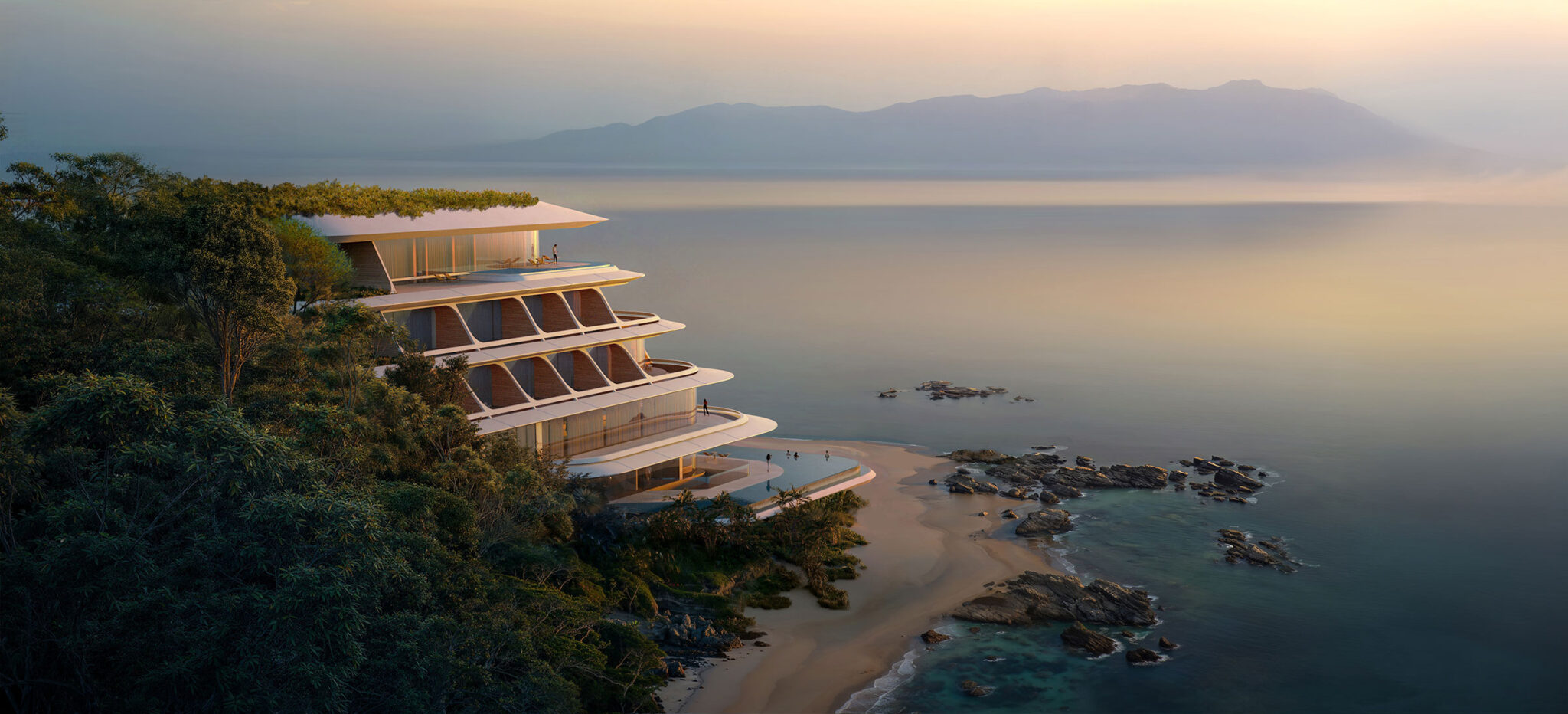
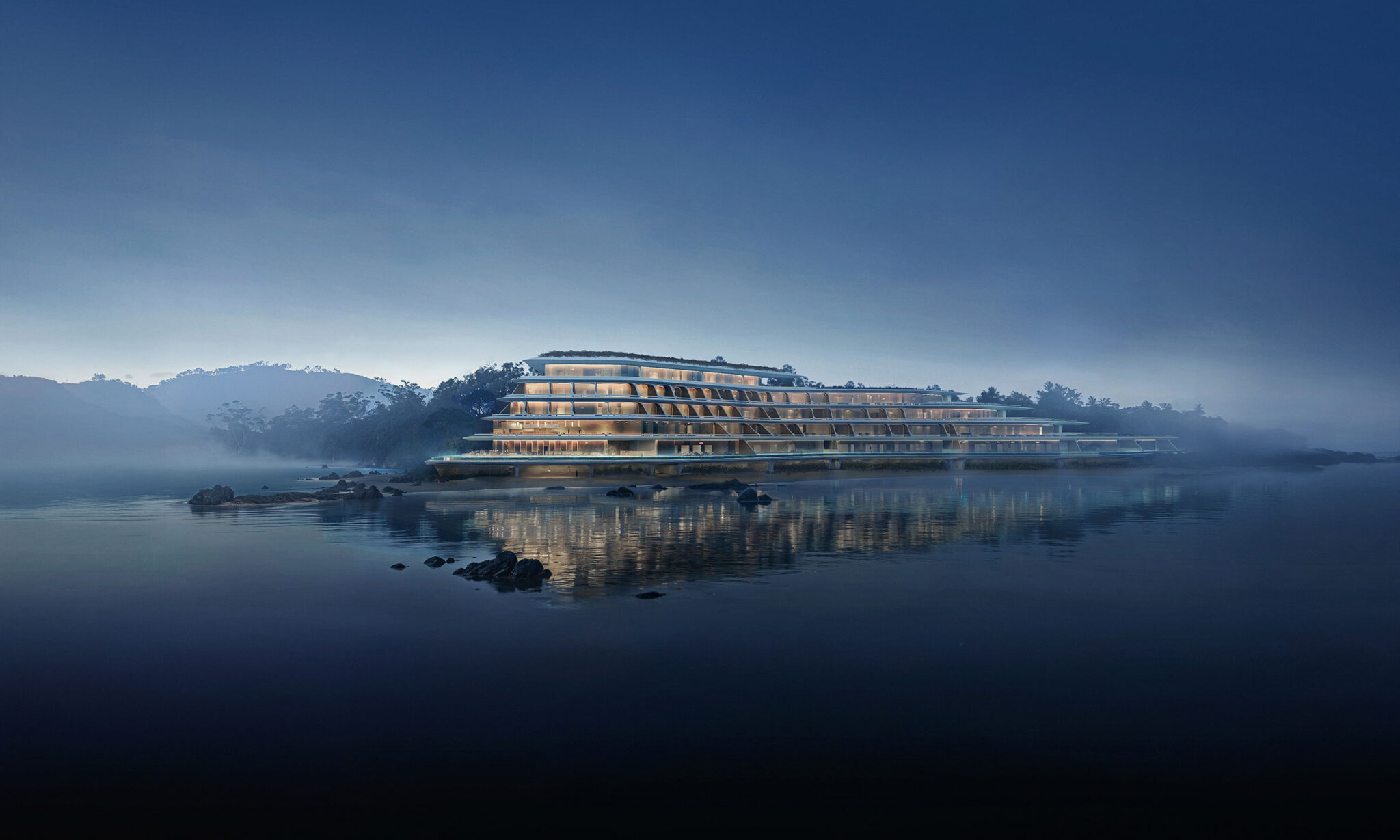
NOT A HOTELのホテルとして計画されました。建築家は、砂浜と森林の間の急斜面の敷地において、日射量を分析して島の伝統的建築も参照した“キャノピー”を特徴とする建築を考案しました。また、ローカルアーキテクトとして久米設計が参画しています。
こちらはリリーステキストです(翻訳:アーキテクチャーフォト / 原文は末尾に掲載)
ZHAが初のvertexホテルを設計へ
日本・沖縄
NOT A HOTELは、初のホテルブランドを発表しました。HERITAGE by NOT A HOTELは、寺院や美術館といった建築遺産を現代的な感性で再解釈するブランドです。vertex by NOT A HOTELは、建築とテクノロジーの交差点にあるデザインを体現しています。
初のvertexホテルは沖縄本島に開業予定です。ザハ・ハディド・アーキテクツ(ZHA)の設計は、同事務所が約40年前に始めた日本との関係を継続するものです。日本の風景や都市計画、創造的な伝統、卓越した職人技に着想を得た、精巧なパヴィリオンや建築、インテリアのデザインで国際的な評価を得てきました。
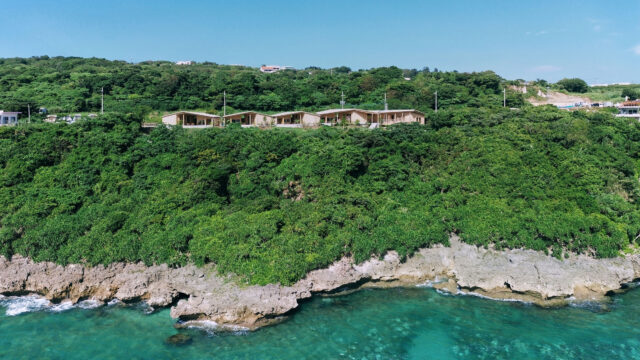
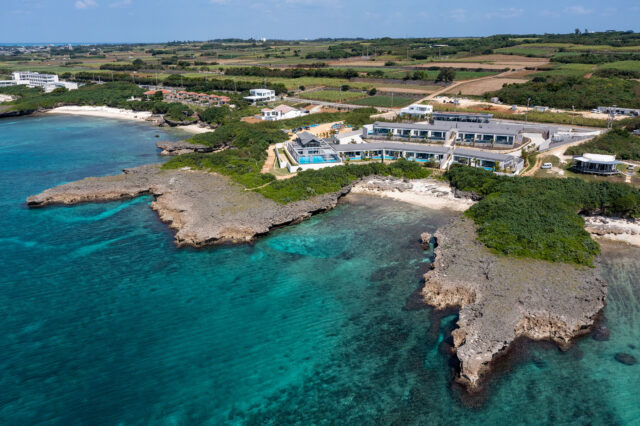
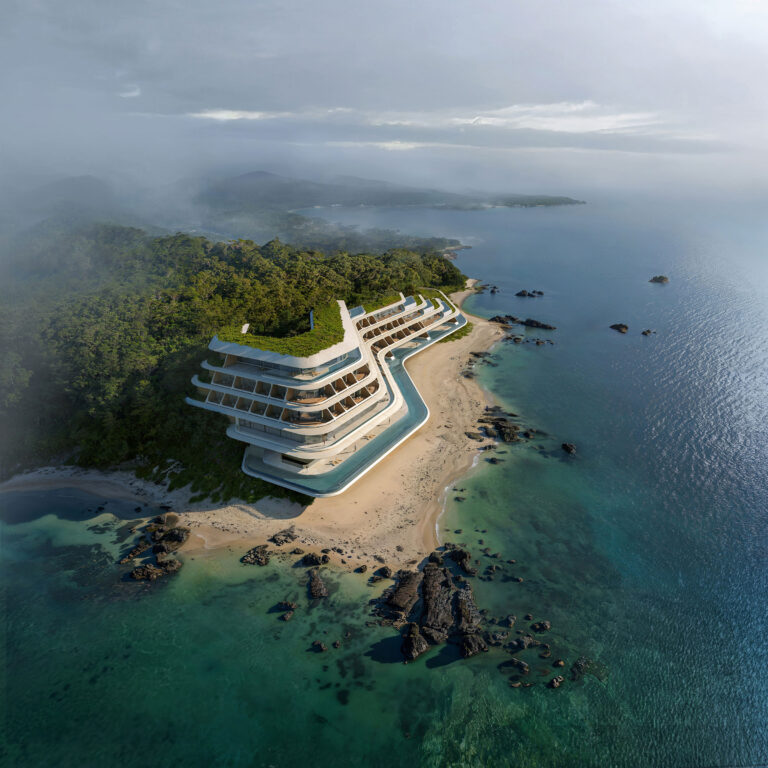
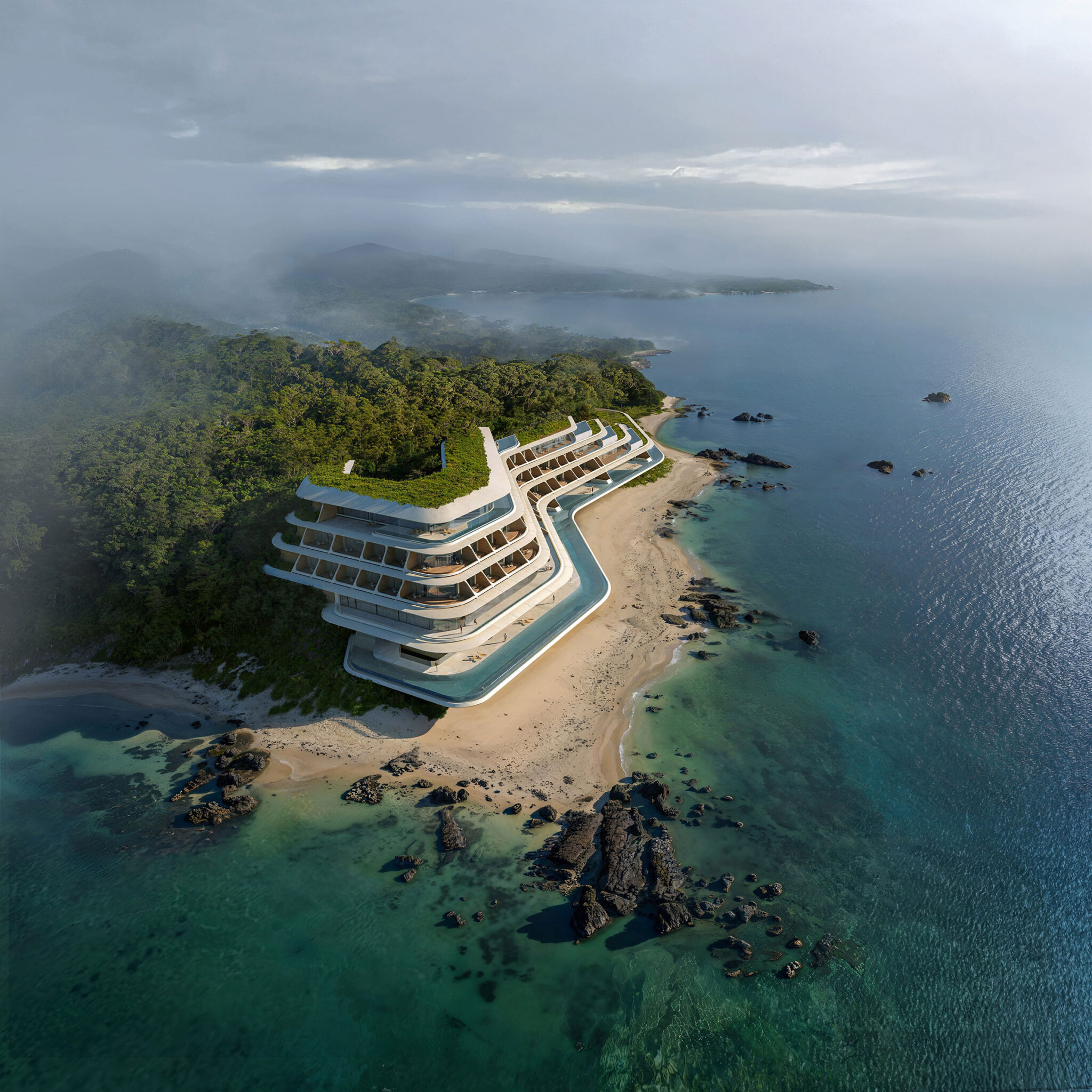
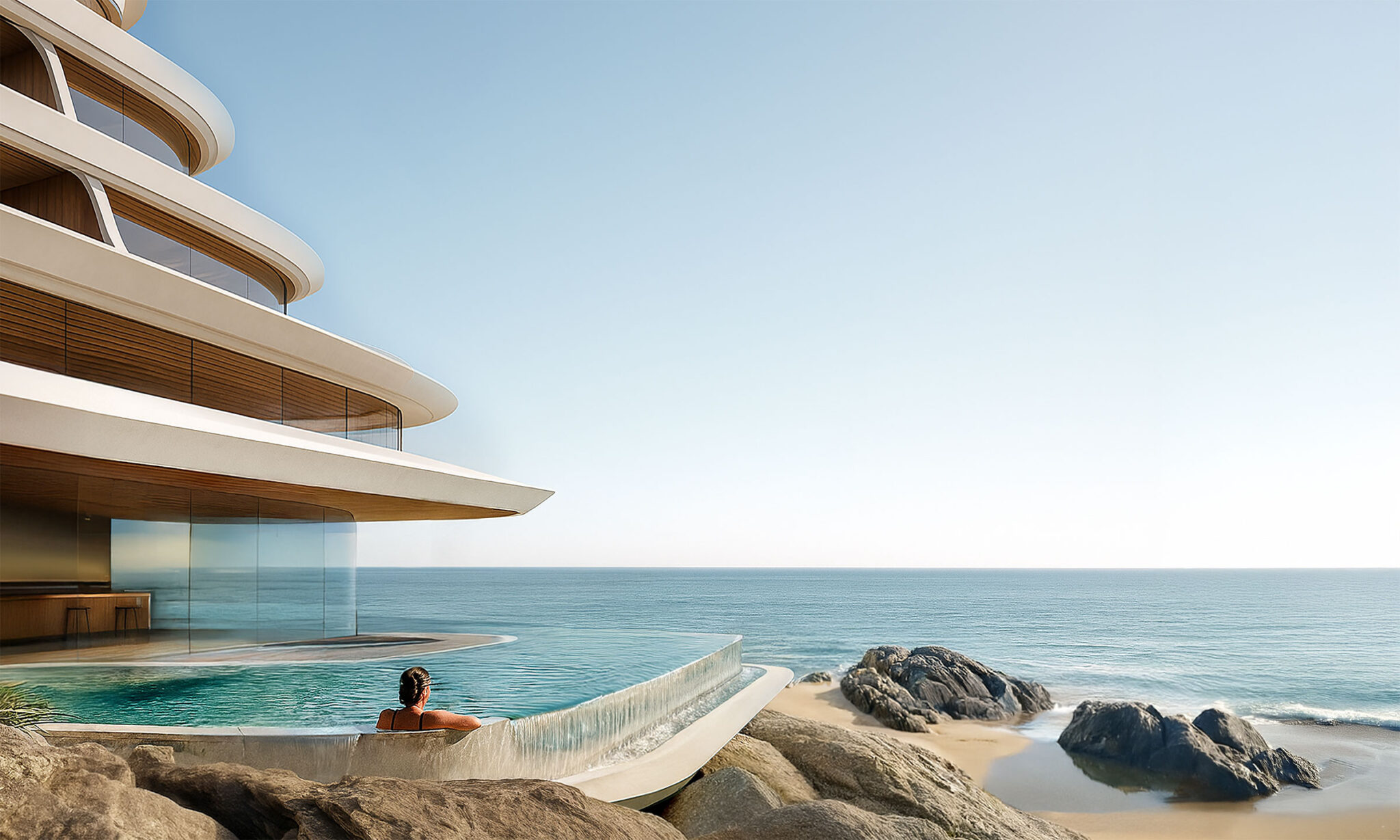
沖縄の湾にある白砂のビーチとターコイズブルーの水域、そして周囲の森林の急斜面の地形の間に位置し、この設計は環境への影響を抑えるために、25,322㎡の敷地に注意深く統合されています。すべてのヴィラに遮るもののない海の眺望とプライバシーを提供しながら、このホテルは、ゲストと居住者のために最高水準の設備とアメニティを備えています。
島固有の沿岸および海洋生態系を保護するように構想され、環境への配慮は、ホテルの建築設計やエンジニアリング、敷地戦略、資材の選定と調達、さらには環境負荷を最小限に抑えるための専門的な建設プロセスの開発を形づくる上での指針となっています。
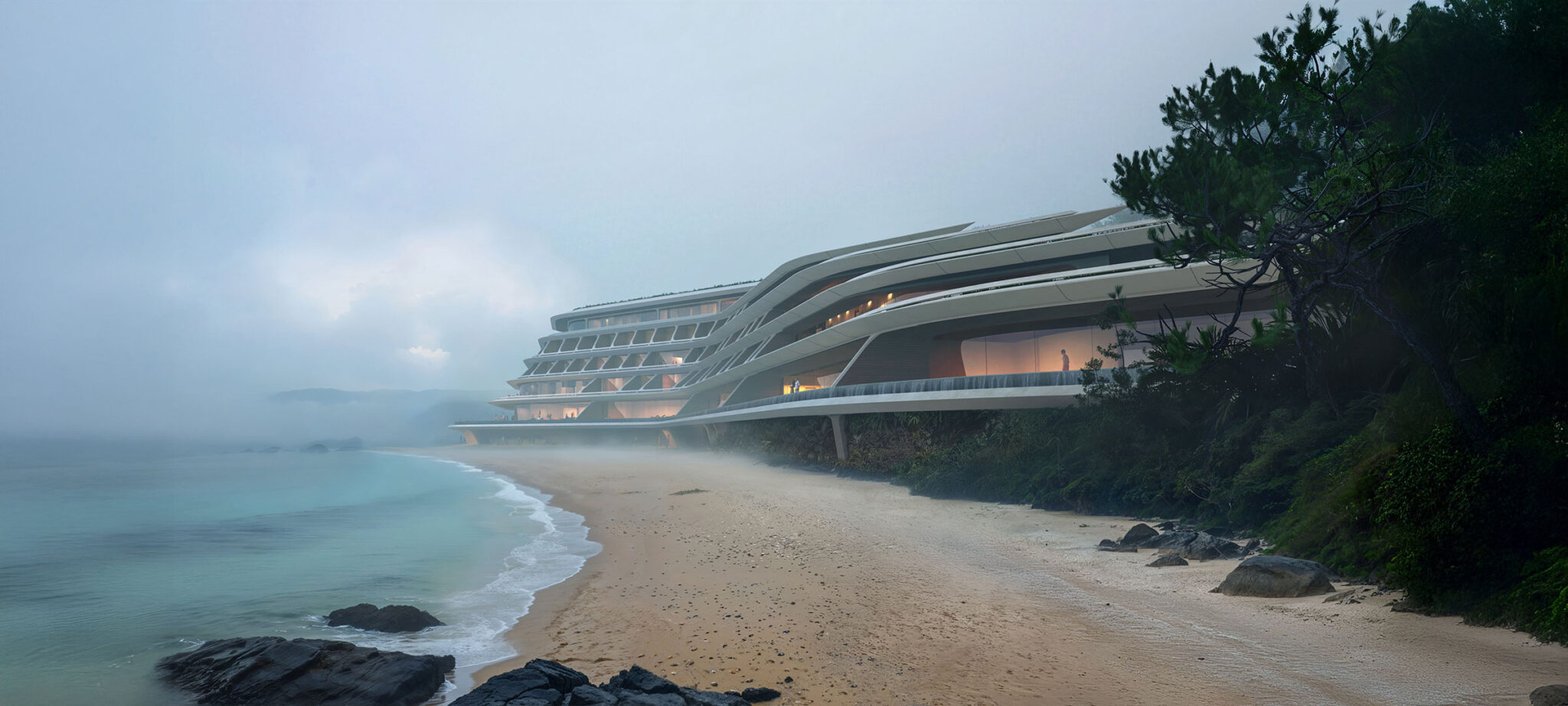
このホテルの建築は、敷地内の琉球石灰岩の地形と周囲の森林の輪郭によって形づくられています。およそ40万年前に堆積した更新世のサンゴ礁由来の地層から成るこの特異な地質と、その湿潤な微気候が、沿岸部に密生した亜熱帯雨林を育んでいます。島の森林管理委員会や海洋保護活動家、さらに地元の環境当局によって定められた厳格な要件とガイドラインに従い、ZHAの設計は森林とビーチの細い境界線上の地形に浮かぶようにあり、これら二つの自然生態系における占有面積を最小限に抑え、敷地の生物多様性を維持しています。
敷地内に存在する岩層の延長として、この設計は海岸線の輪郭に沿い、敷地の多様な地形を反映するように、段状の水平テラスや中庭、庭園として構成されています。このホテルの構成、配置、素材感は、海沿いの敷地に対する詳細な調査に基づいています。気温、湿度、降水量、卓越風、日射量、空気質の変動に加え、地表および海の1日ごとの状態の変化が一年を通してマッピングされ、包括的なデジタルモデルの構築に用いられています。これらのモデルは、居住者とゲストの快適性を高めること、海の眺望を優先することに加え、沖縄の湿潤な亜熱帯気候におけるホテルの環境性能を最適化するために、設計の開発および洗練に情報を提供しています。
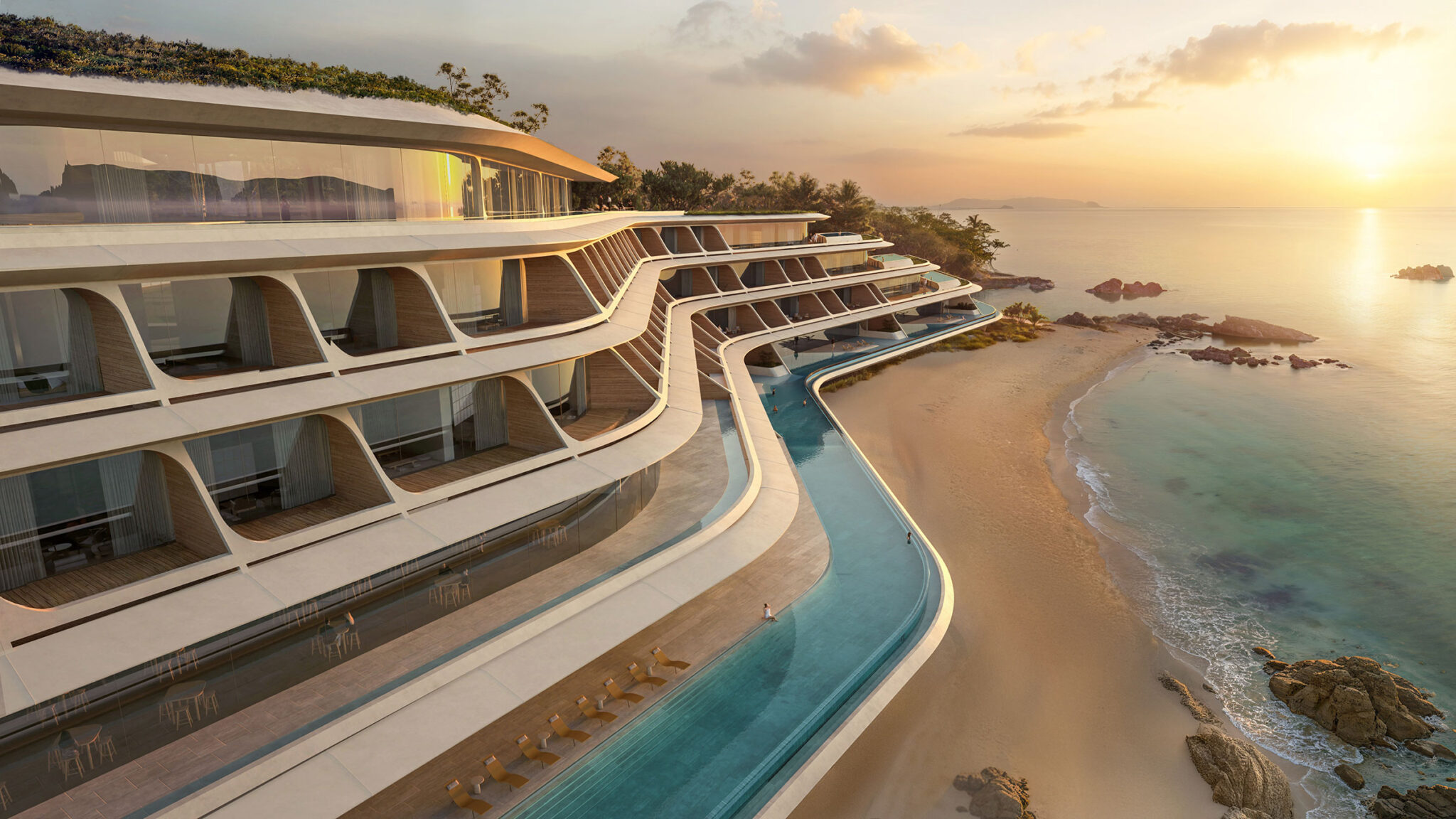
敷地の日々の日射量に関する12か月間の分析によって、ホテルの特徴的なキャノピーの設計が決定されました。これらのキャノピーは建物から延び、敷地の地形を反映しつつ海岸線に向かって段状に連なる一連の屋根付きテラスを形づくっています。島の伝統的なヴァナキュラー建築に見られる大きく張り出した庇や深い軒を現代的に解釈したものであるこれらの特注キャノピーは、居住者やゲストのために多様な日陰の屋外生活空間や歩道を生み出しています。
このホテルは、地域の最高品質の素材を扱う熟練の棟梁や職人たちの緻密な技を示すという、沖縄の歴史的建築における豊かな伝統をさらに発展させています。精緻に彫刻された沖縄産の松や地元の採石場から採れた石灰岩、さらに近隣の工房で製作された陶器が、このホテルを周囲の景観に溶け込ませ、島の独自の文化的伝統を継承しています。
島の蒸し暑い夏の時期に海から内陸へと吹く卓越風「カーチベー」を最大限に活用するよう設計されており、この建築は共用エリア、ゲストルーム、スイート、ヴィラのすべてにおいて自然換気を促進します。太平洋の東モンスーン気候帯に位置するこのホテルの構造は、すべての施設を高潮線から少なくとも6.5メートル上に設置し、この地域の夏の台風に伴う強風、降水、高潮に耐えられるよう設計されています。この構造体には、島の海岸線における地震の衝撃に耐えるための先進的な工学的対策も取り入れられています。
建設および運用時における地域の生態系への影響を軽減するために、モジュール構造とファサードシステムは、細部まで精密に作られたプレファブ部材で構成されており、地域のサンゴ礁の白く細かな砂を想起させる独特の色調と質感で仕上げられています。循環型の建設アプローチを体現するこれらの精密に設計されたコンクリート部材には、使用期間を終えた島内の不要構造物から回収された再生骨材が取り入れられる予定です。
ZHAプロジェクトディレクターのルドヴィコ・ロンバルディ(Ludovico Lombardi)は、次のように説明しています。「敷地の顕著な地形に着想を得たこの設計は、自然に見られる地形の形成に対する探究に基づく、構成と素材感に関するZHAの継続的な研究の延長です。ホテルの段状のキャノピーは、海岸線の独特な地質から熱帯雨林の密生した植生へとやわらかく移行し、遮るもののない海の眺望と周囲の環境との深いつながりをもたらします。同時に、利用者の体験を豊かにするプライバシー感を提供し、この地域の多様な自然生態系をたどる旅路を描き出します」
以下の写真はクリックで拡大します
以下、リリーステキストです。
ZHA to design the first vertex hotel
Okinawa, Japan
NOT A HOTEL (www.notahotel.com) has launched its first hotel brands: HERITAGE by NOT A HOTEL reinterprets architectural heritage, such as temples and museums, through a contemporary sensibility. vertex by NOT A HOTEL embodies design at the intersection of architecture and technology.
The inaugural vertex hotel will be on the island of Okinawa. Zaha Hadid Architects’ (ZHA) design continues the firm’s relationship with Japan that began four decades earlier with internationally acclaimed designs for intricate pavilions, buildings and interiors informed by the country’s landscapes and urbanism, creative tradition and immaculate craftsmanship.
Nestled between the turquoise waters with white sand beaches of Okinawa’s Bay and the steep terrain of the surrounding forest, the design has been carefully integrated within its 25,322 sq. m site to mitigate environmental disturbance. Offering uninterrupted ocean views and privacy for each villa, the hotel includes facilities and amenities of the highest standards for guests and residents.
Conceived to preserve the island’s unique coastal and marine ecosystems, environmental considerations have been a guiding principle shaping the hotel’s architectural design and engineering, site strategy, material selection and procurement, as well as the development of specialist construction processes to minimise environmental impact.
The hotel’s architecture is defined by the contours of the site’s Ryukyu Limestone formations and the surrounding forest. Composed of Pleistocene coral reef sedimentary layers initially deposited 400,000 years ago, this unique geology and its humid microclimate cultivate a dense subtropical rainforest along the coast. Led by stringent requirements and guidelines established by the island’s forestry commission and marine conservationists in addition to the local environmental authorities, ZHA’s design ‘floats’ above the landscape at the narrow boundary between the forest and beach to significantly reduce its footprint within these two natural ecosystems and maintain the site’s biodiversity.
A continuation of the existing rock formations within the site, the design follows the contours of the shoreline, articulated as a series of stepped horizontal terraces, courtyards and gardens that echo the site’s varied topography. The composition, orientation and materiality of the hotel have been informed by detailed investigations of its oceanfront site. Variations in temperature, humidity, rainfall, prevailing winds, solar irradiation and air quality, as well as fluctuations in daily ground and sea conditions, have been mapped throughout the year to build comprehensive digital models. These models have informed the design’s development and refinement to enhance the comfort of residents and guests, prioritise ocean views, in addition to optimise the hotel’s environmental performance within Okinawa’s humid subtropical climate.
A twelve-month analysis of the site’s daily solar irradiation determined the design of the hotel’s distinctive canopies which extend from the structure to describe a series of sheltered terraces that mirror the topography of the site and cascade towards the shoreline. A contemporary interpretation of the pronounced overhangs and deep eaves evident within the island’s traditional vernacular architecture, these bespoke canopies create a variety of shaded outdoor living spaces and walkways for residents and guests.
The hotel extends the rich tradition within Okinawa’s historical architecture of showcasing the exacting craftsmanship of master builders and artisans working with the region’s finest materials. Intricately carved Okinawa pine and limestone from local quarries, as well as ceramics produced in nearby workshops, embed the hotel within its surrounding landscape and continue the island’s unique cultural heritage.
Designed to optimise the prevailing Kachibe winds that blow inland from the ocean during the island’s humid summer months, the architecture promotes natural ventilation in all communal areas, guest rooms, suites and villas. Located within the Pacific Ocean’s East Monsoon weather system, the hotel’s structure elevates all facilities at least 6.5 metres above the high-water line and has been designed to weather the intense wind forces, precipitation and storm surges of the region’s summer typhoons. This structure also incorporates advanced engineering measures to withstand impacts of seismic events on the island’s coastline.
Mitigating impact to local ecosystems during construction and operations, the modular structure and facade systems are comprised of meticulously crafted prefabricated components finished with a unique tone and texture to echo the fine white sands of the region’s coral beaches. Embodying a circular approach to construction, these precision engineered concrete elements will incorporate recycled aggregates sourced from the islands’ redundant structures that have reached the end of their operational lifecycle.
Ludovico Lombardi, ZHA Project Director, explains: “Informed by the site’s remarkable topography, the design is a continuation of ZHA’s ongoing research of composition and materiality that is driven by explorations of landscape formations evident in nature. The stepped canopies of the hotel gently transition from the unique geology of the shoreline to the dense vegetation of the rain forest—giving uninterrupted views of the ocean and a deep connection to the surrounding environment, while providing a sense of privacy that enriches user experience and charts a journey through the varied natural ecosystems of the region.”
■建築概要
Project Team
Client: NOT A HOTEL Co., Ltd.
Architect: Zaha Hadid Architects (ZHA)
ZHA Principal: Patrik Schumacher
ZHA Project Director: Ludovico Lombardi
ZHA Project Associates: Takehiko Iseki, Davide Del Giudice
ZHA Project Architects: Natasha Gill, Jose Eduardo Navarrete Deza
ZHA Project Team: June Buasai, Xuanzhi Huang, Maria Lagging, Kalliopi Mouzaki, Yooyeon Noh, Witchaya Jingjit, Emma Sanson, Szu-An-Yao
ZHA Interior Director: Kar-Hwa Ho
ZHA Interior Associate: Roberta Sartori
ZHA Interior Team: Nailu Chen, Maria Ciszek, Andy Lin, Basak Su Ozcelik, Sonia Renehan, Angus Tung, Joshua Yates
───
Consultants
Local Architect: Kume Sekkei
Structural Engineers: Kume Sekkei
MEP: Kume Sekkei
Renders: Negativ
Video: NAH