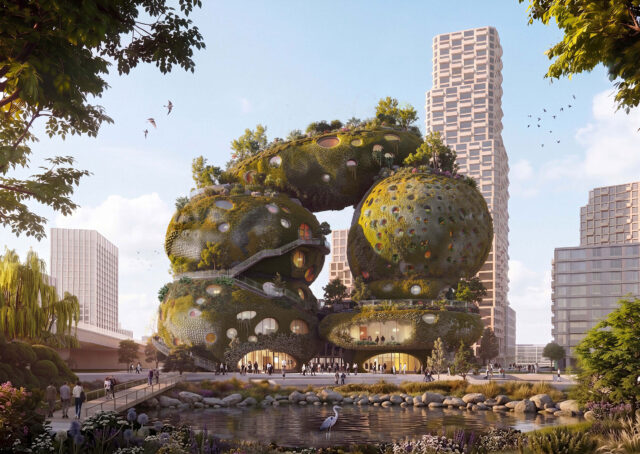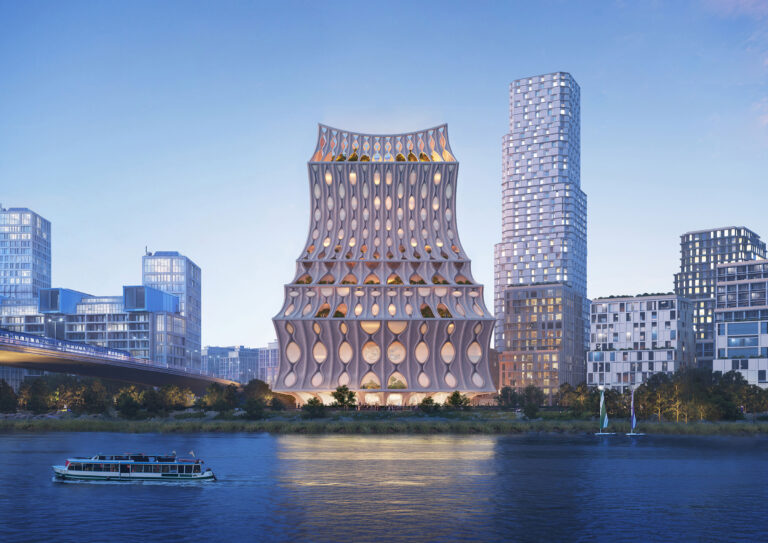
SHARE ヘザウィック・スタジオによる、オランダ・ロッテルダムの「アーバン・リーフ」。コンペの応募案で最終候補のひとつ。気候変動への行動を促す団体の為に、“体験の創出”に重点を置いた存在を志向。木造とモジュール式構成要素を組み合わせて“サンゴ礁の様に再生的であり適応可能”な建築を提案

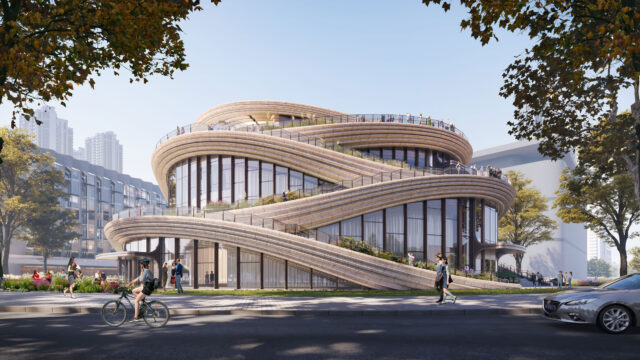
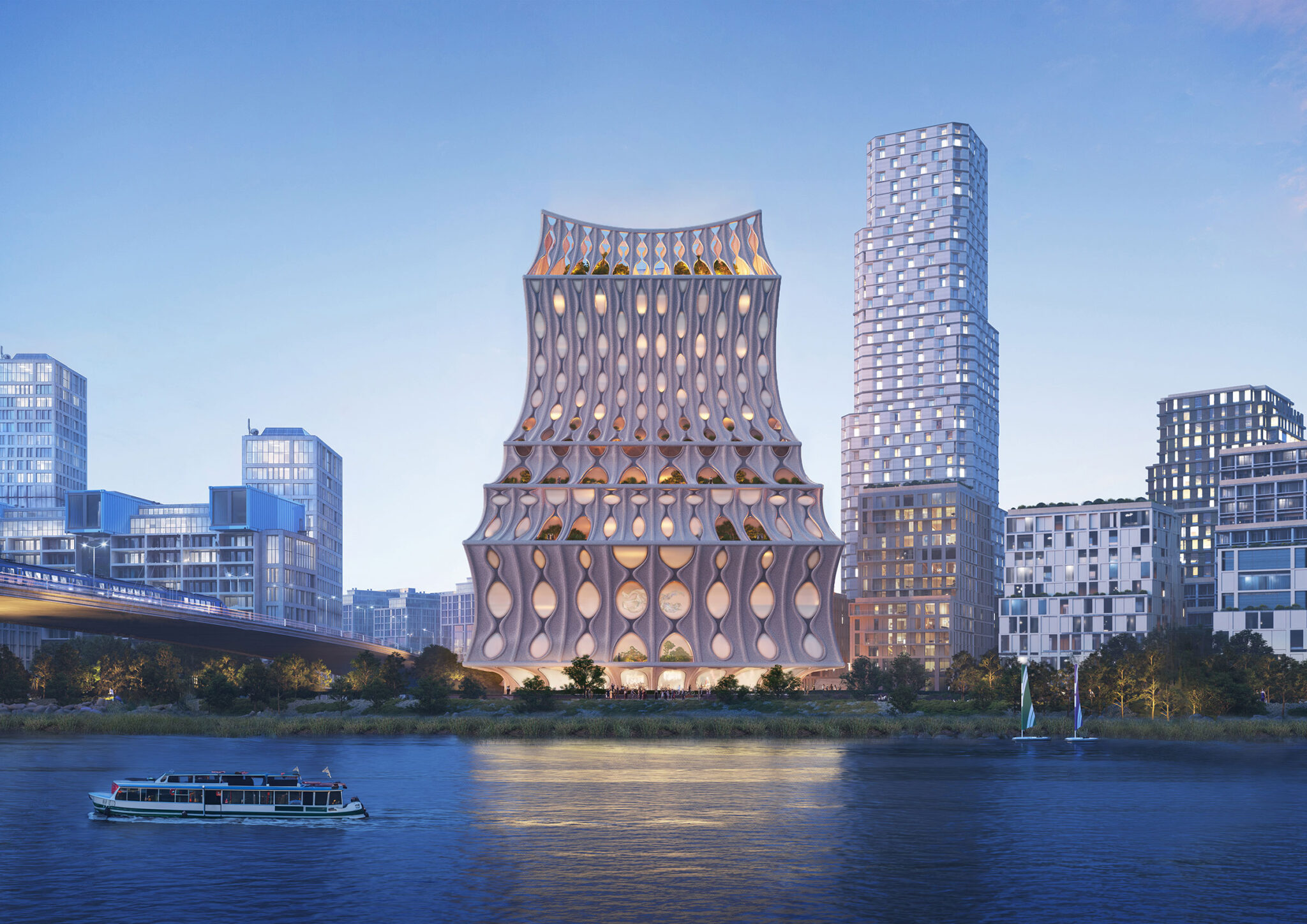
ヘザウィック・スタジオによる、オランダ・ロッテルダムの「アーバン・リーフ」です。
コンペの応募案で最終候補のひとつです。デザイナーは、気候変動への行動を促す団体の為に、“体験の創出”に重点を置いた存在を志向しました。そして、木造とモジュール式構成要素を組み合わせて“サンゴ礁の様に再生的であり適応可能”な建築を提案しました。
こちらはリリーステキストです(翻訳:アーキテクチャーフォト / 原文は末尾に掲載)
ヘザウィック・スタジオが「アーバン・リーフ」を発表
ヘザウィック・スタジオは本日、シフト・ランドマークのための提案を発表しました。それは、私たちにこれまでとは異なる種類の公共の場所を想像することを促すプロジェクトです。すなわち、私たち皆が共有する気候の未来に対して、人々がつながりを感じ、情報を得て、希望を持てるよう支える場所です。
「アーバン・リーフ」という同スタジオの提案は、オランダのソーシャルベンチャーであるシフトによって本日発表された、最終候補5案のうちの1つです。このランドマークは、ロッテルダム南部の新しいウォーターフロント地区であるウォーターカントに計画されています。この地区は、ヨーロッパで最も先進的な都市近隣地区の一つになることを目指しています。
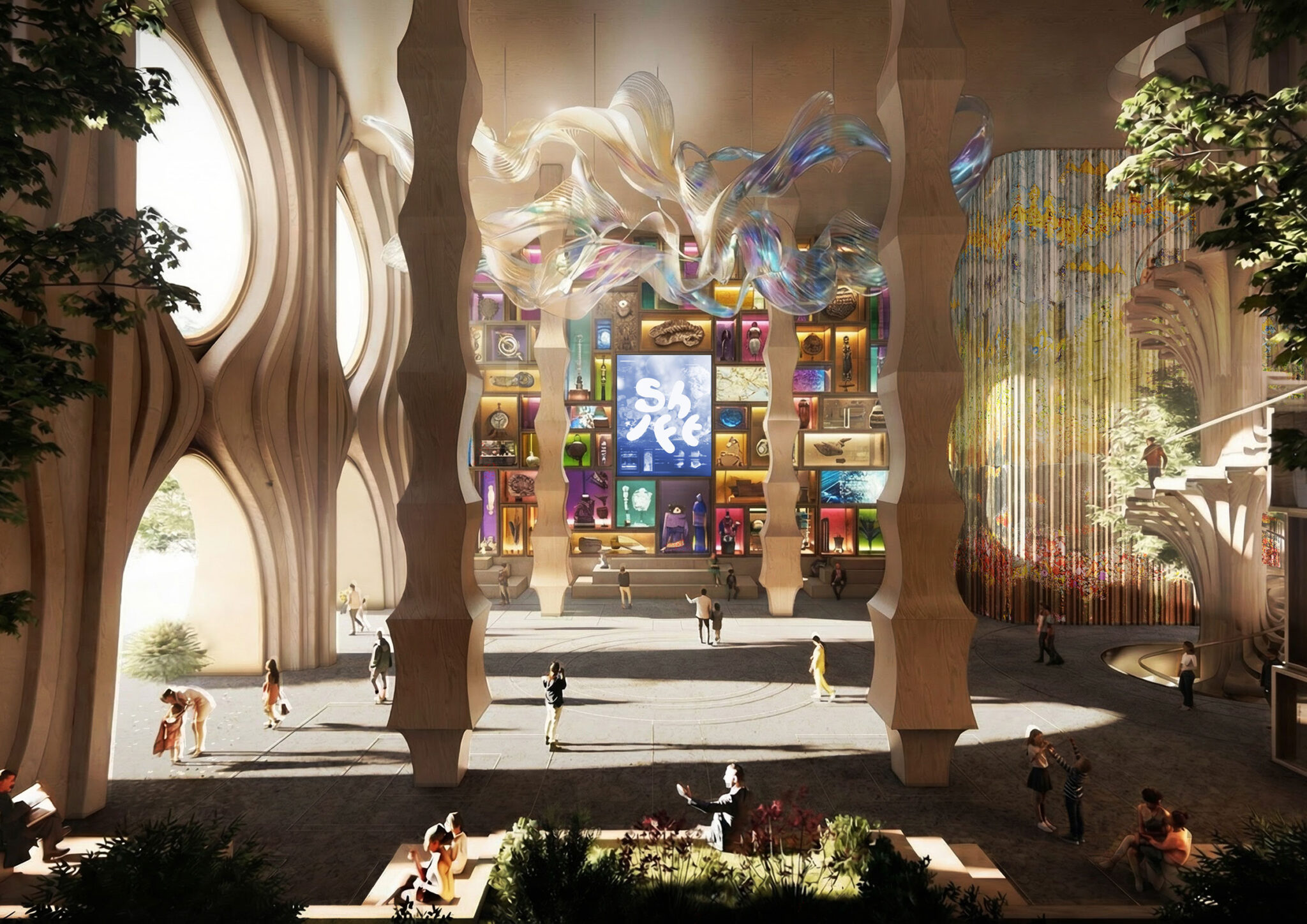
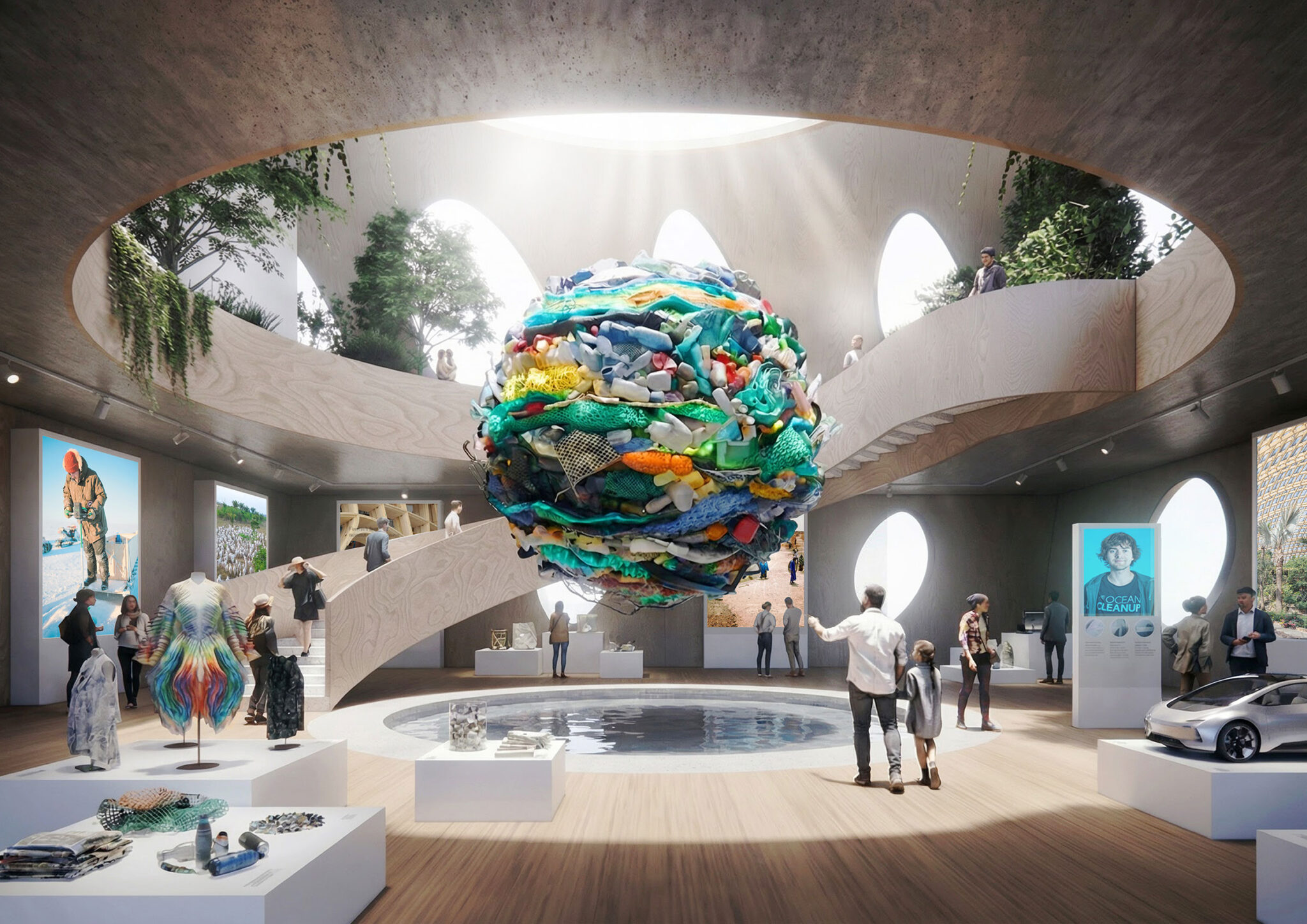
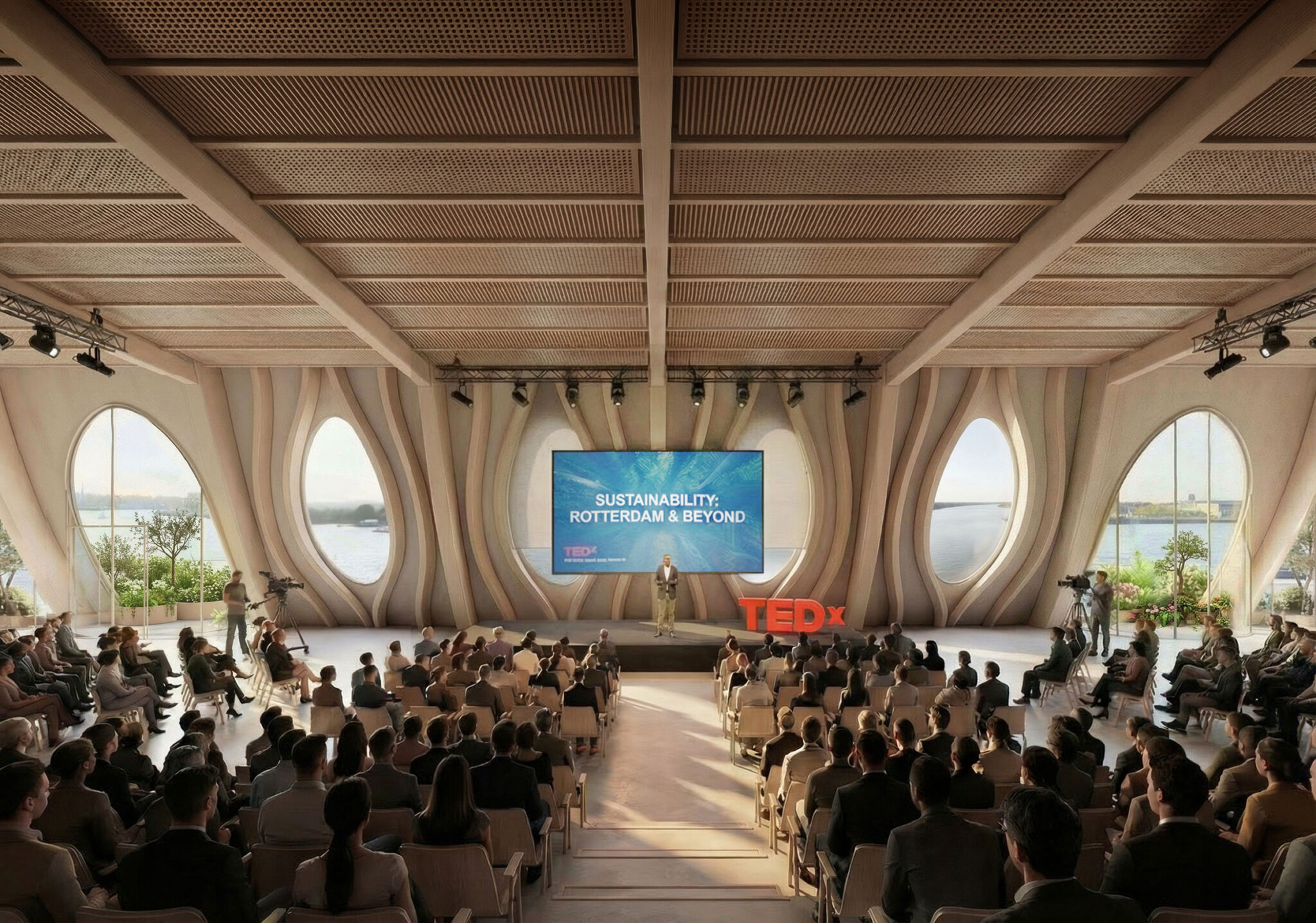
同スタジオのデザインは、従来の建物ではなく体験を生み出すことに重点を置いています。来訪者は、好奇心を喚起し理解を深めるよう設計された一連の空間を巡ります。没入型で多感覚的な展示が、自然界の美しさと脆弱性を、地に足のついた親しみやすい形で紹介します。つまり、恐怖や非難を伴わずに気候の課題を提示します。
ヘザウィック・スタジオのグループリーダー兼パートナーであるリサ・フィンレイ(Lisa Finlay)は次のように述べました。
「このコンペティションは、建築がどのようにして、私たちが地球への影響をより少なくしながら、より軽やかな方法で暮らすことができると示す手助けができるのかを考える機会となりました。私たちのデザインは、その可能性を称えるものであり、それらを探求するための招待です」
シフトの創設者兼CEOであるドン・リッツェン(Don Ritzen)は次のように付け加えました。
「ヨーロッパ人の75%が気候変動に懸念を抱いている一方で、実際に意味のある行動を取っているのはわずか10%にすぎません。私たちは、驚きと希望、そして可能性の空間をつくり、誰もが行動を起こすきっかけとなることを望んでいます」
「シフトは、気候に関する志を、人々が体験できるものへと変えることを目指しています。アート、建築、イノベーション、そして教育を組み合わせることで、このランドマークは循環型の未来を、目に見え、実感でき、抗いがたいほど魅力的なものにするよう設計されています。そして、何百万人もの人々に、インスピレーションから行動へと至る明確な道筋を与えます」
サンゴ礁のように、この建物は気候行動の物語を層状に重ね、地面から上へと築き上げていきます。その行程は次に、世界各地の物語や実践的なアイデアを紹介する明るい空間へと開かれます。そして、現実に建設的な変化がすでに起きていることを示します。来訪者が退出する際には、個人のカーボンフットプリントのスキャンを含むシンプルなツールが、非難することなく、自分自身の影響を理解するのを助けます。その目的は、人々がすぐに取ることのできる小さく希望のある行動とともに、明確な主体性の感覚を提供することです。
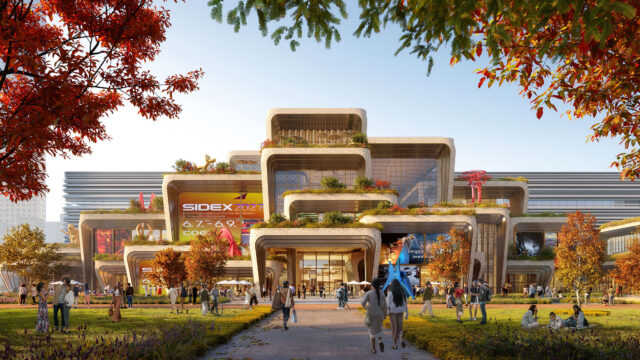
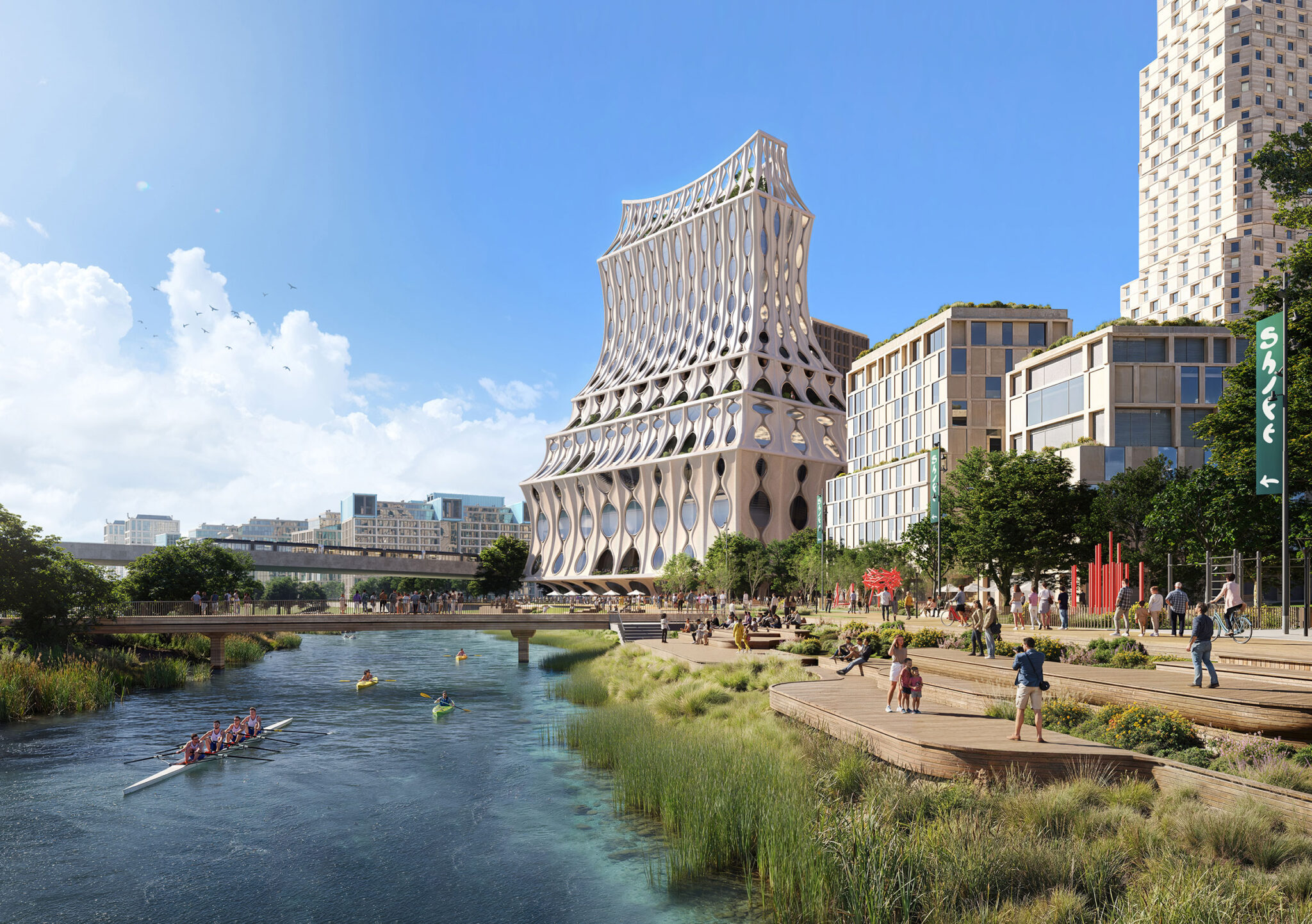
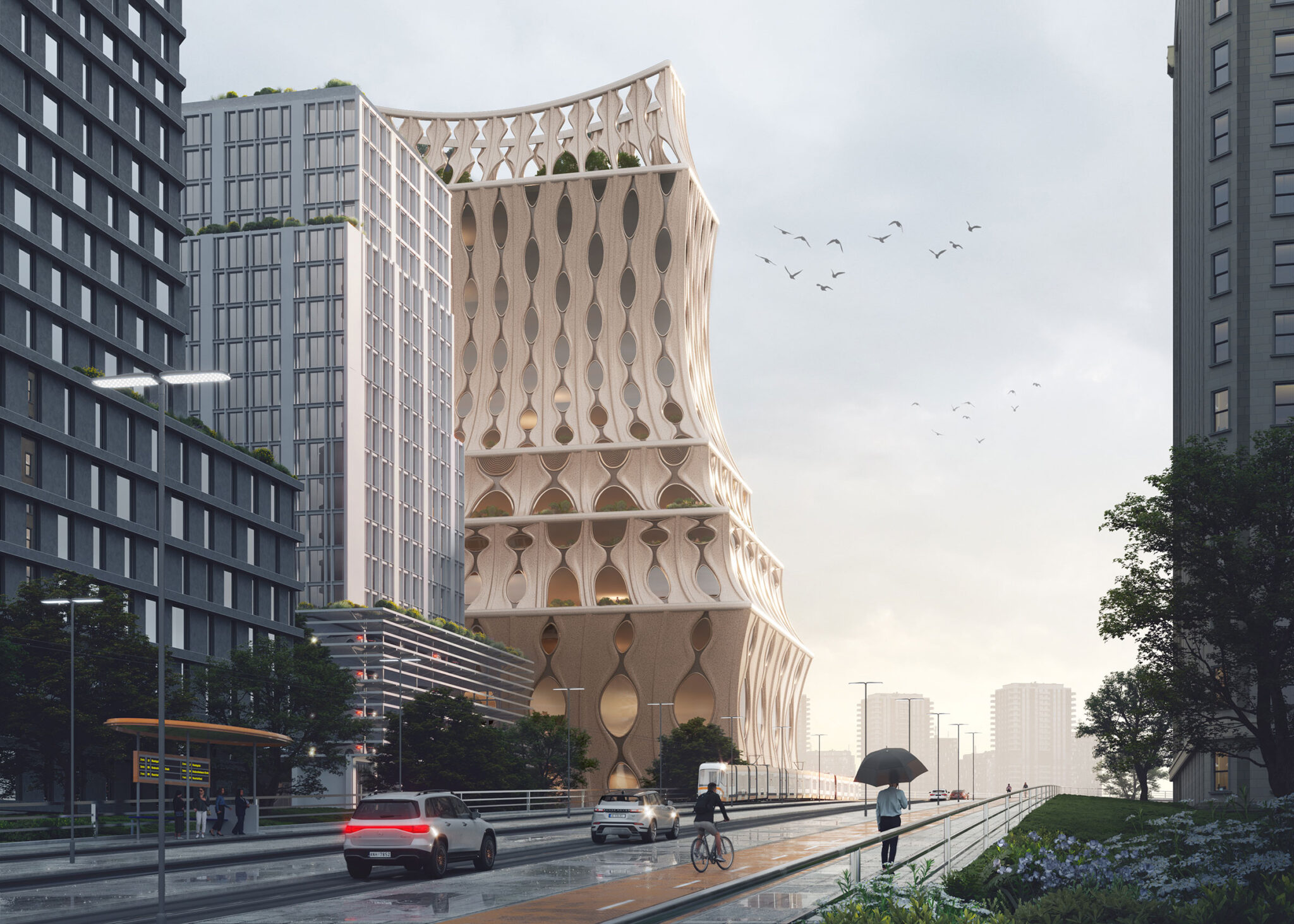
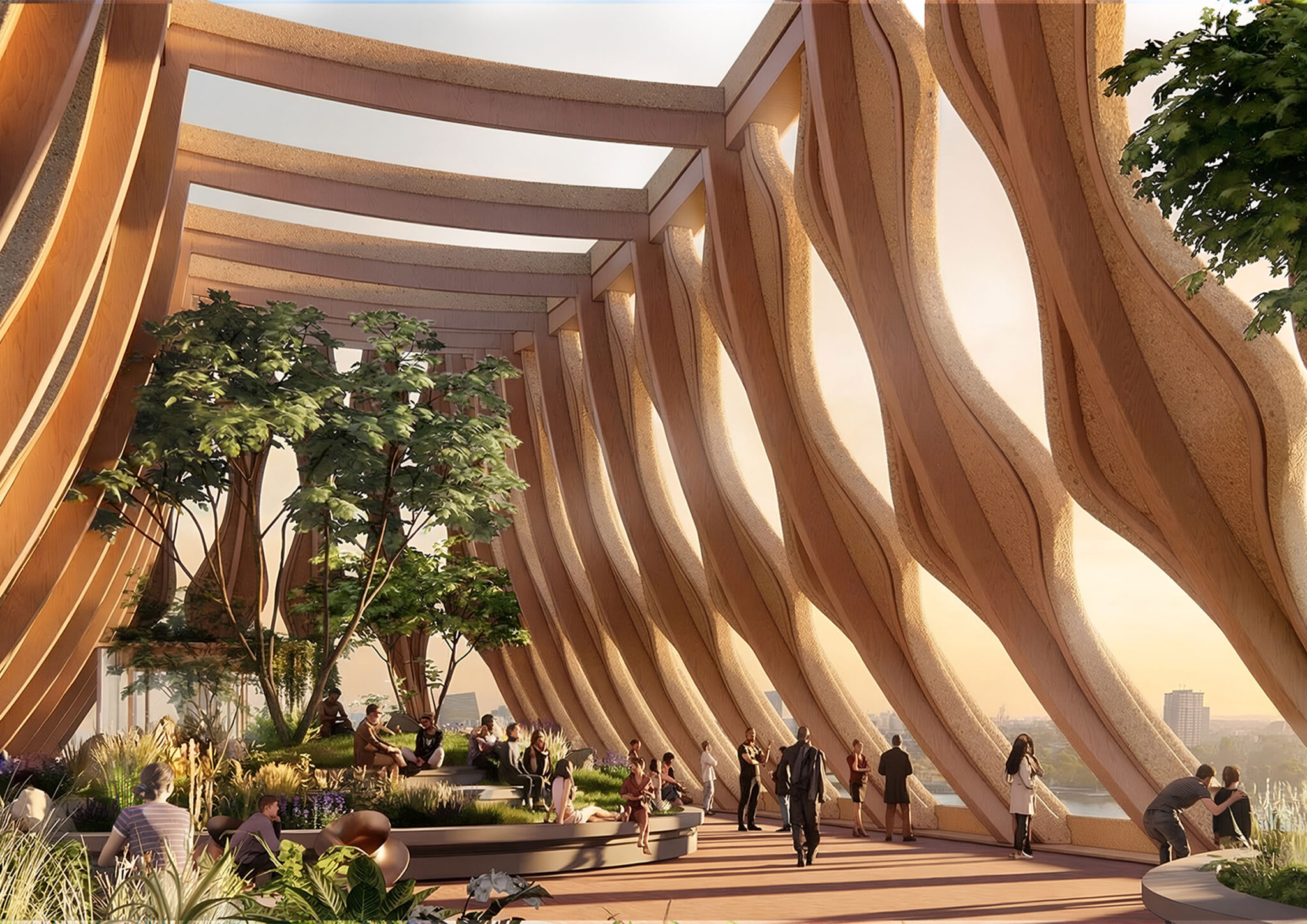
建物そのものが、サンゴ礁のように再生的であり適応可能でもあるランドマークを目指す設計要件の志を反映しています。エンボディドカーボンを最小化するために、このプロジェクトは木造構造を提案しており、科学や展示内容の進展に応じて再構成できるモジュール式の構成要素と組み合わせています。外装のスキンと内装仕上げには、バイオベースおよびリサイクル可能な素材を用いており、廃棄物を削減します。
周囲のランドスケープは生物多様性を重視しています。植栽されたテラスと屋外の部屋のシークエンスが、地域の生物種を支え、来訪者に静かなひとときを提供します。自然換気の戦略、自然光を取り入れた内部空間、そして統合された水管理システムによって、この建物は環境的に効率的でありながら、快適な公共体験を提供します。最優秀案は春に発表され、採用されたチームは地域コミュニティとの参加プロセスに入ります。
以下の写真はクリックで拡大します
以下、リリーステキストです。
Heatherwick Studio reveals ‘Urban Reef’
Heatherwick Studio has today revealed its proposal for the Shift Landmark – a project that asks us to imagine a different kind of public place: one that supports people to feel connected, informed and hopeful for the climate future we all share.
‘Urban Reef’, the studio’s proposal, is one of five shortlisted designs revealed today by Dutch social venture Shift. The Landmark is planned for Waterkant, a new waterfront district in the south of Rotterdam that aims to become one of Europe’s most forward-looking urban neighbourhoods.
The studio’s design focuses on creating an experience rather than a traditional building. Visitors move through a series of spaces designed to spark curiosity and build understanding. An immersive, multisensory exhibition introduces the beauty and vulnerability of the natural world in a grounded, accessible way – presenting the climate challenge without fear or blame.
Lisa Finlay, Group Leader and Partner at Heatherwick Studio said:
“The competition has been a chance to think about how buildings can help show that we can live in a lighter way; with less impact on our planet. Our design is a celebration of the possibilities and an invitation to explore them.”
Don Ritzen, Founder and CEO of Shift, added:
“While 75% of Europeans are concerned about climate change, only 10% are taking meaningful action. We want to create a space of wonder, hope and possibility that inspires everyone to take action.”
“Shift aims to turn climate ambition into something people can experience. By combining art, architecture, innovation and education, the Landmark is designed to make a circular future visible, tangible and irresistibly compelling, giving millions a clear pathway from inspiration to action.”
Like a reef, the building layers the story of climate action, building from the ground up. The journey then opens with a bright space that highlights stories and practical ideas from around the world, showing how real, constructive change is already happening. As visitors leave, simple tools – including personal carbon footprint scanning – help them understand their own impact without judgement. The aim is to offer a clear sense of agency, with small, hopeful steps that people can take immediately.
The building itself reflects the brief’s ambition for a landmark that, like coral reefs, is both regenerative and adaptable. Minimising embodied carbon, the project proposes a timber structure paired with modular components that can be reconfigured as science and the exhibition content evolve. The external skin and interior finishes draw on biobased and recyclable materials, reducing waste.
The surrounding landscape emphasises biodiversity. A sequence of planted terraces and outdoor rooms will support local species and offer visitors moments of calm. Natural ventilation strategies, daylit interiors and integrated water management systems make the building environmentally efficient while offering a comfortable public experience.
The winning design will be announced in the spring, and the successful team will enter a participation process with local communities.