SHARE MVRDVによる、台湾・嘉義の「ウッデン・ワンダーズ」。かつて木材産業で知られた市の創設記念行事の為に計画。地域の自然林の賞賛と現代木造の可能性の提示を目指し、残存する木造建築の調査から開始。著名な木造遺産を参照した“屋根ライン”を特徴とする建築を考案

MVRDVによる、台湾・嘉義の「ウッデン・ワンダーズ」です。
かつて木材産業で知られた市の創設記念行事の為に計画されました。建築家は、地域の自然林の賞賛と現代木造の可能性の提示を目指し、残存する木造建築の調査から開始しました。そして、著名な木造遺産を参照した“屋根ライン”を特徴とする建築を考案しました。2025年12月28日までの公開とのこと。
こちらはリリーステキストです(翻訳:アーキテクチャーフォト / 原文は末尾に掲載)
ウッデン・ワンダーズ:MVRDVによる木造パヴィリオンと展示が、嘉義における木工技術の過去・現在・未来を称える
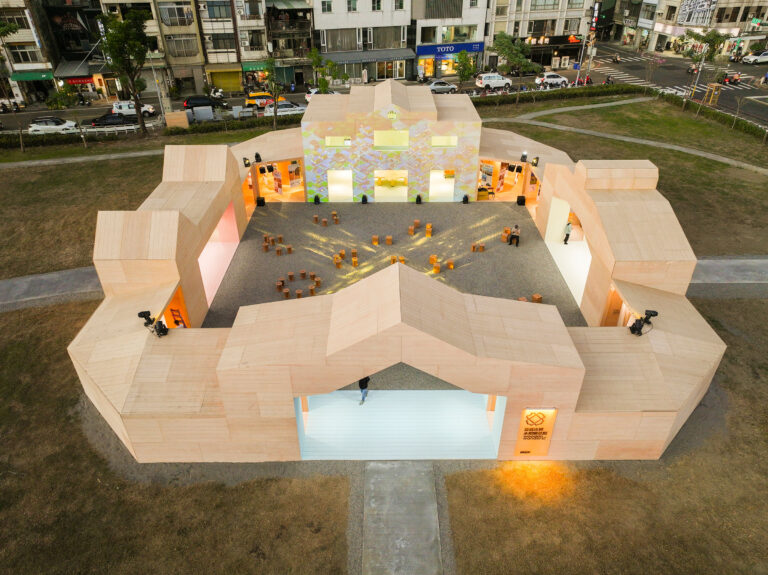
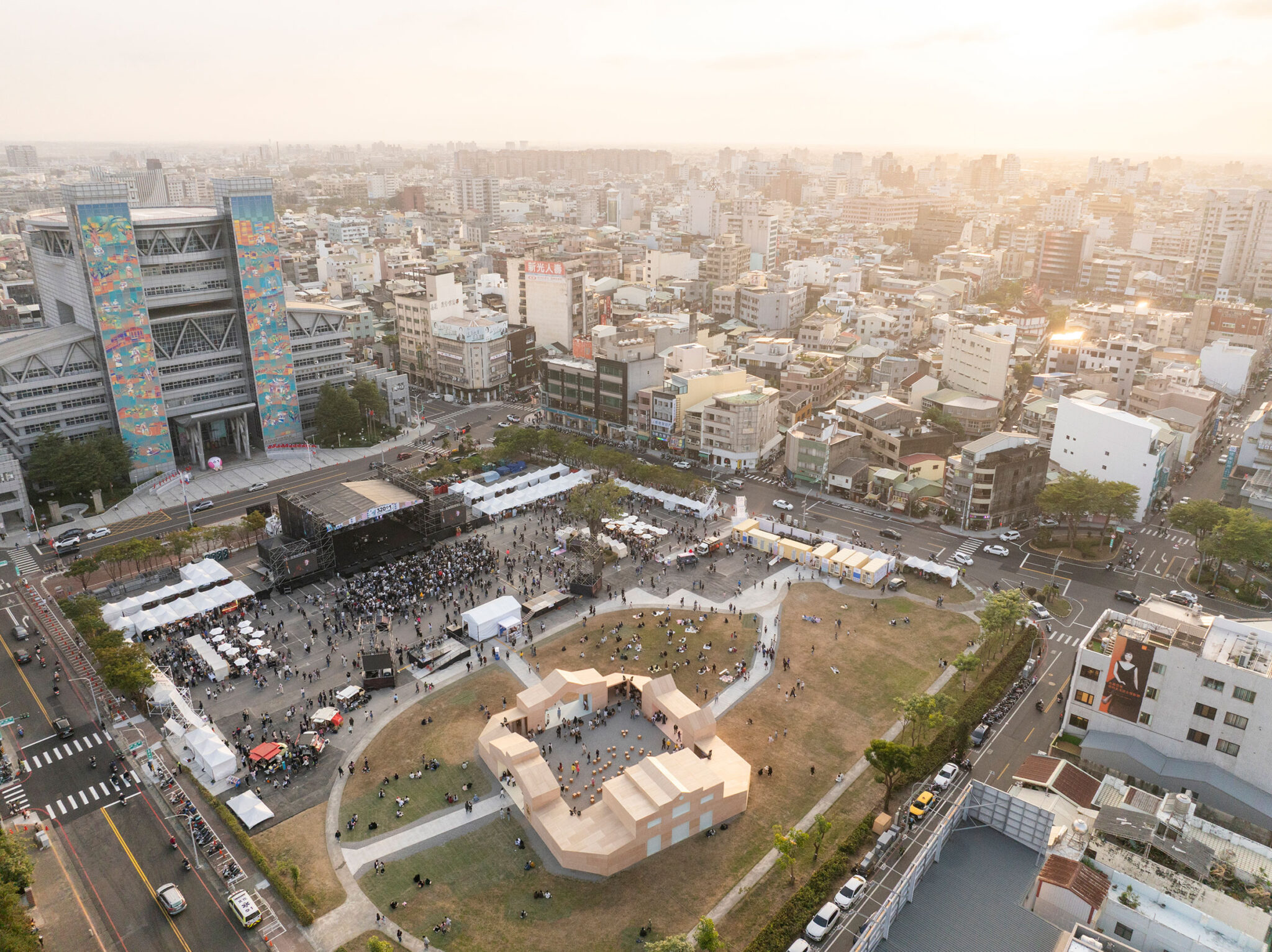
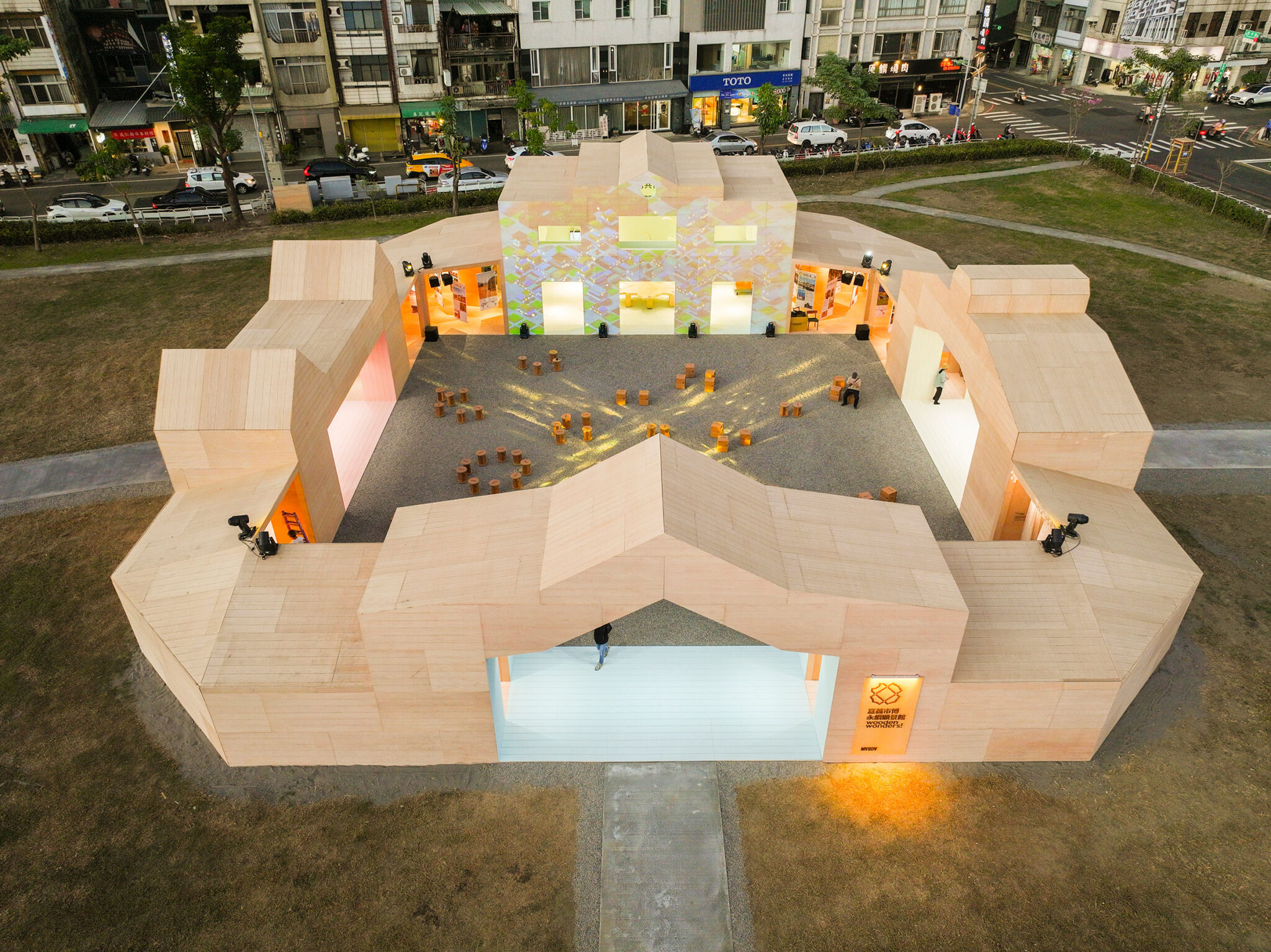
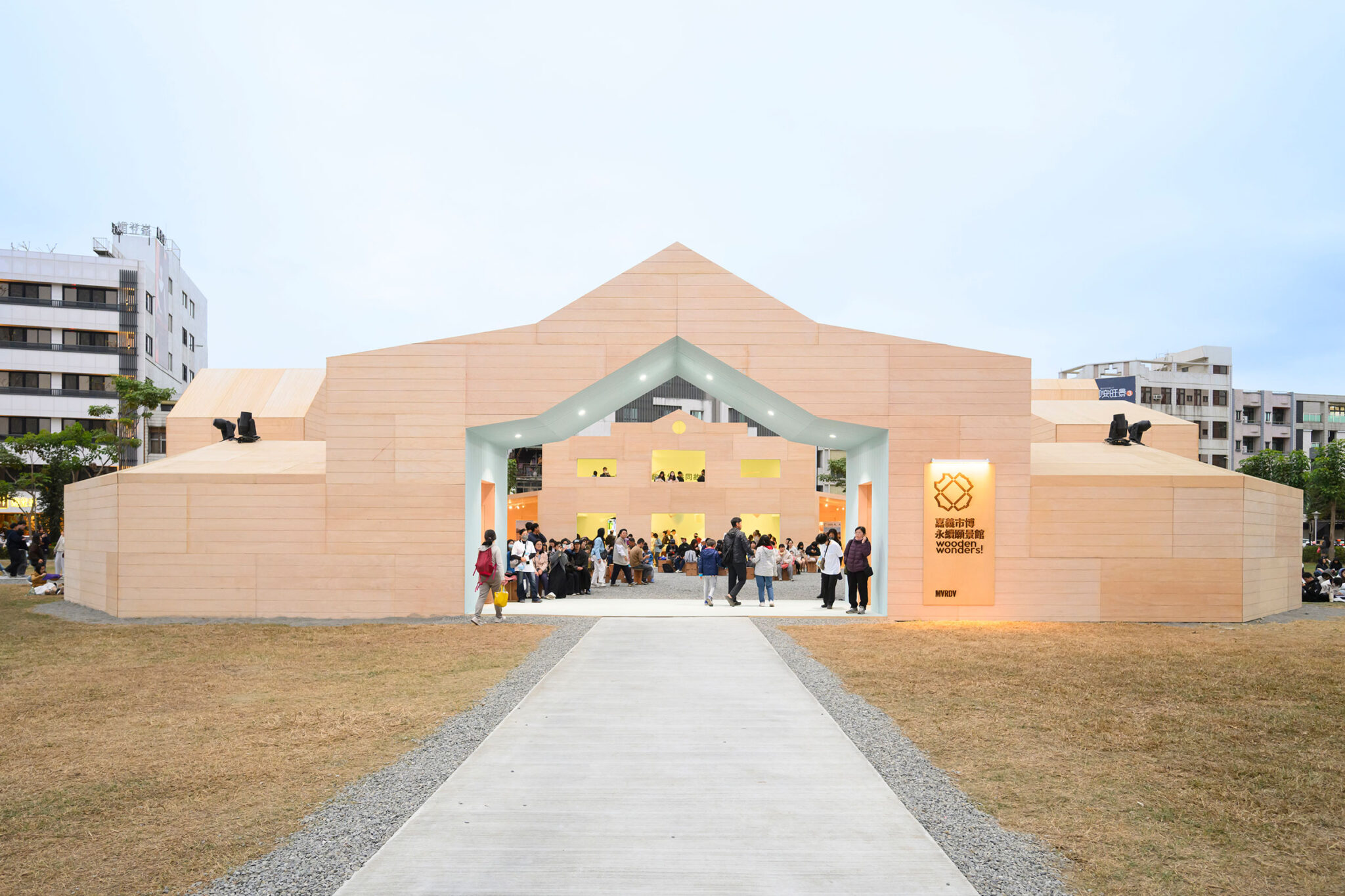
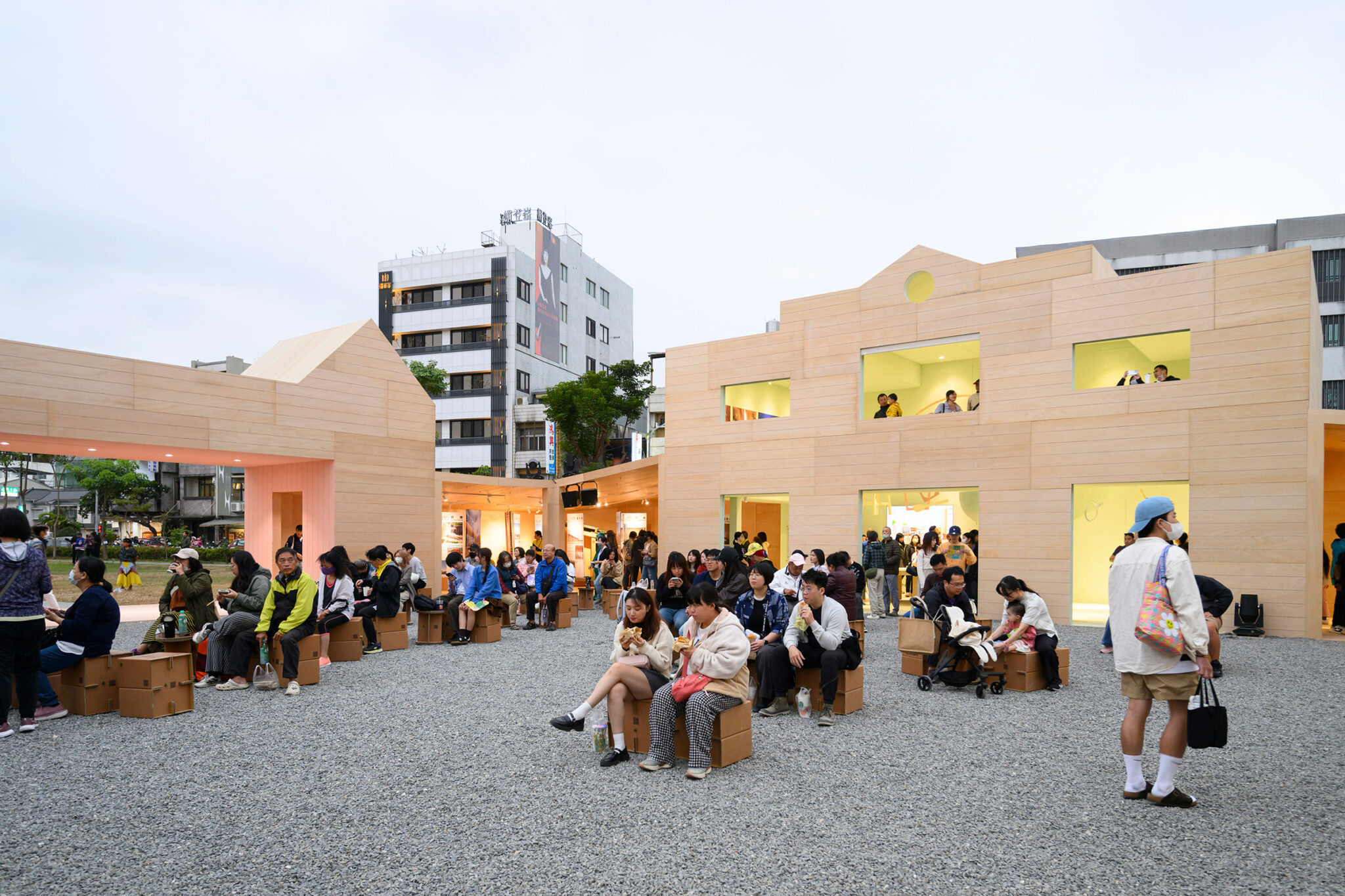
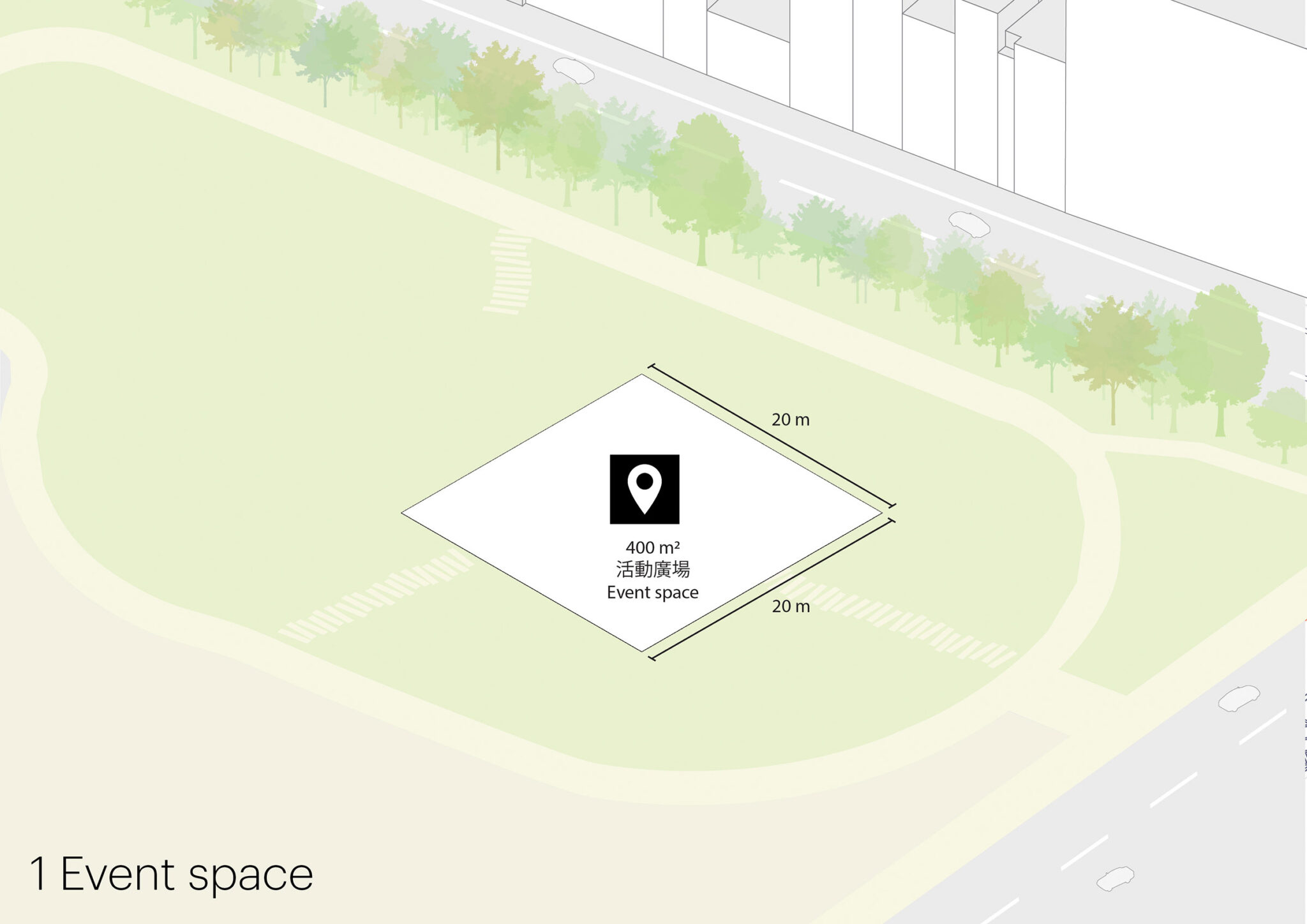
台湾・嘉義市の創設321周年記念祝賀行事のために、MVRDVは、木材の製造・工芸・建設に関する展示を収容した仮設の木造パヴィリオンを完成させました。嘉義市庁舎の向かいに位置する、ウッデン・ワンダーズ・パヴィリオンは、正方形の中庭を囲む構成となっており、その外周構造の形状は、同市の木造建築の遺産に関する綿密な調査に基づいています。本プロジェクトは、12月12日から28日(※2025年)までの嘉義の記念祝賀行事を通して公開され、市民が集い、都市の遺産について学び、嘉義の「木の未来」について語り合う場を提供します。
台湾の山岳地帯の中核に広がる密林の近くに位置していたことから、木材産業は嘉義の歴史的発展にとって極めて重要であり、同市では玩具や家具から建築物に至るまで、幅広い木製品が生産されてきました。現在では、かつてこの産業を支えていた森林は保護されており、この文化を生み出した知識や技術は、多くの住民は忘れられています。それでもなお、市内には6,000棟を超える木造建築が現存しており、これは近年、市政府が認識し、保護し、修復に取り組み始めている遺産です。
嘉義の記念祝賀行事の一環として、市当局はMVRDVにパヴィリオンと展示の企画を依頼しました。これは、地域の自然林を称えることから現代の木造建設の可能性を紹介することまで、都市と木との関係を探るものです。多くの人々が木材を評価や信頼性の低い建設材料と見なしており、また耐震規制によって既存建築の転用がまれである台湾という文脈において、このパヴィリオンが持続可能性と遺産保存に焦点を当てていることは、大胆な姿勢です。
「嘉義における木造建築の歩みは、木材に対する考え方が世界的にどのように変化してきたかをはっきりと映し出しています」と、MVRDVの創設パートナーであるヤコブ・ファン・ライスは述べています。「かつては実用的で広く利用可能な建設材料であった木材は、コンクリートや鋼鉄といった材料がより安価で効率的になるにつれて、『時代遅れ』のものとなりました。しかし今日では、気候危機が私たちに別の視点から見ることを迫っています。木材は炭素を蓄える一方で、コンクリートや鋼鉄は大量の炭素を大気中に放出します。また、数十年にわたる研究と技術革新により、エンジニアード・ティンバーの技術を用いた現代建築は、ますます実用的なものとなっています。今こそ、木材について改めて語るのに最適な時です」
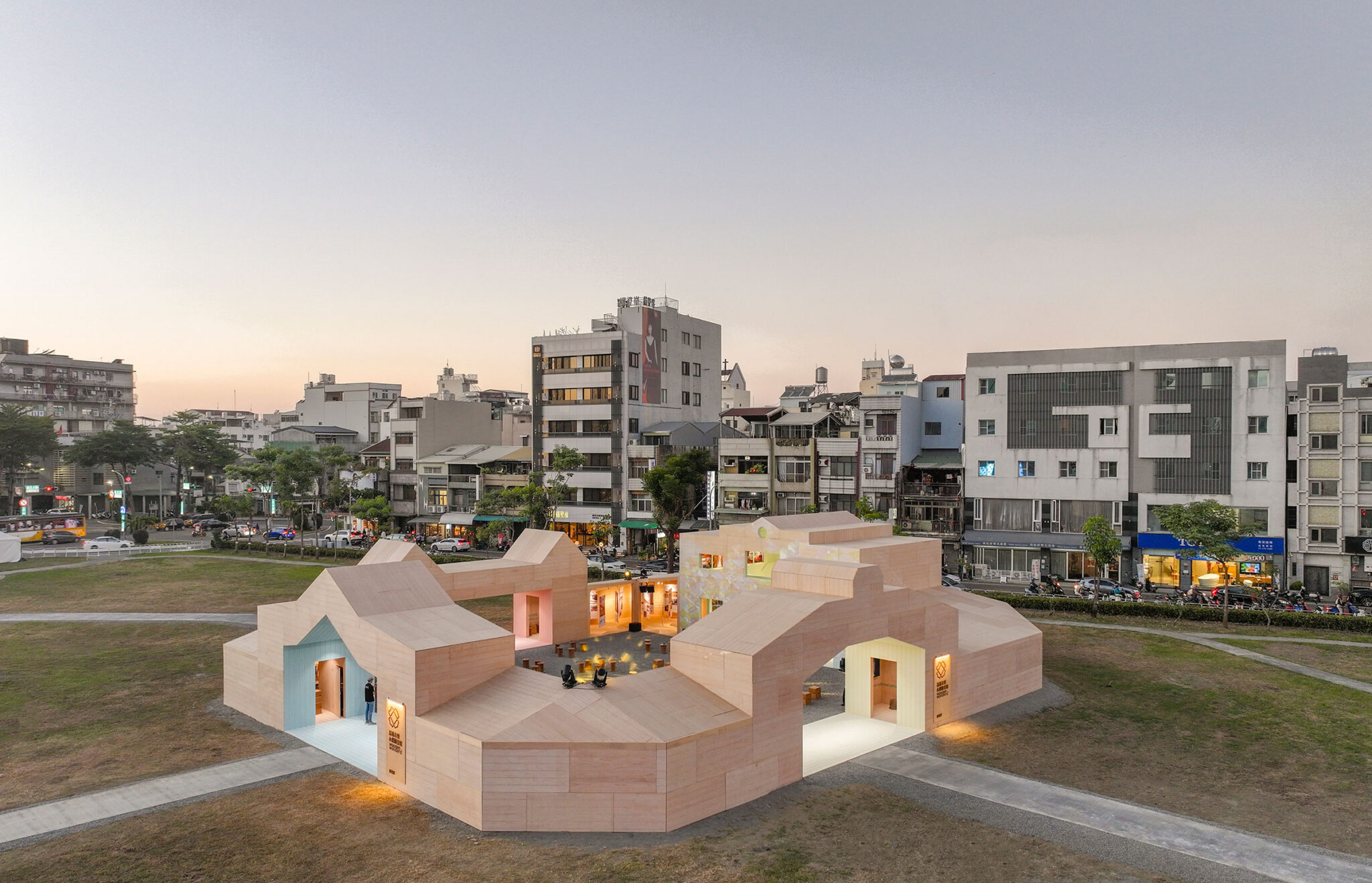
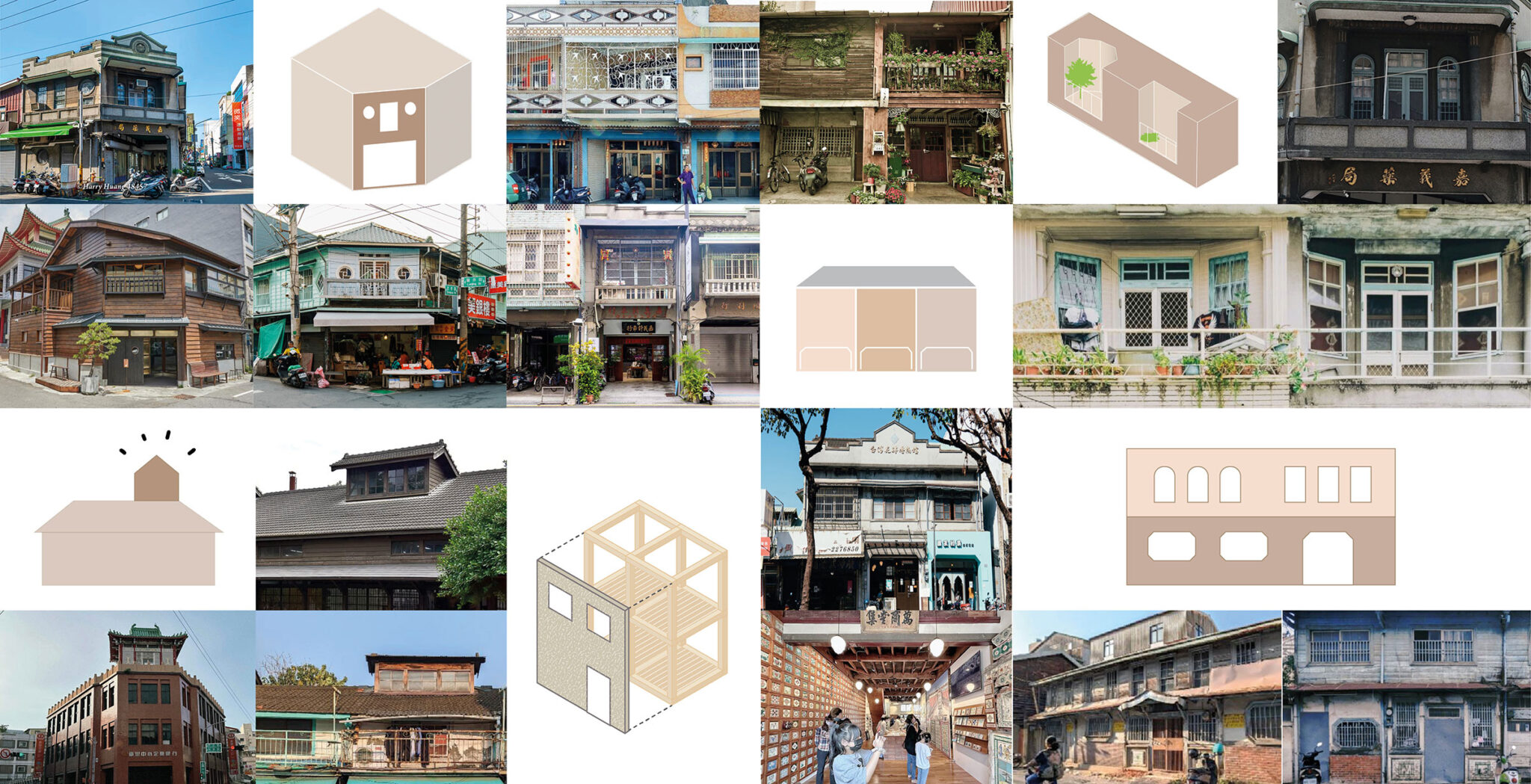
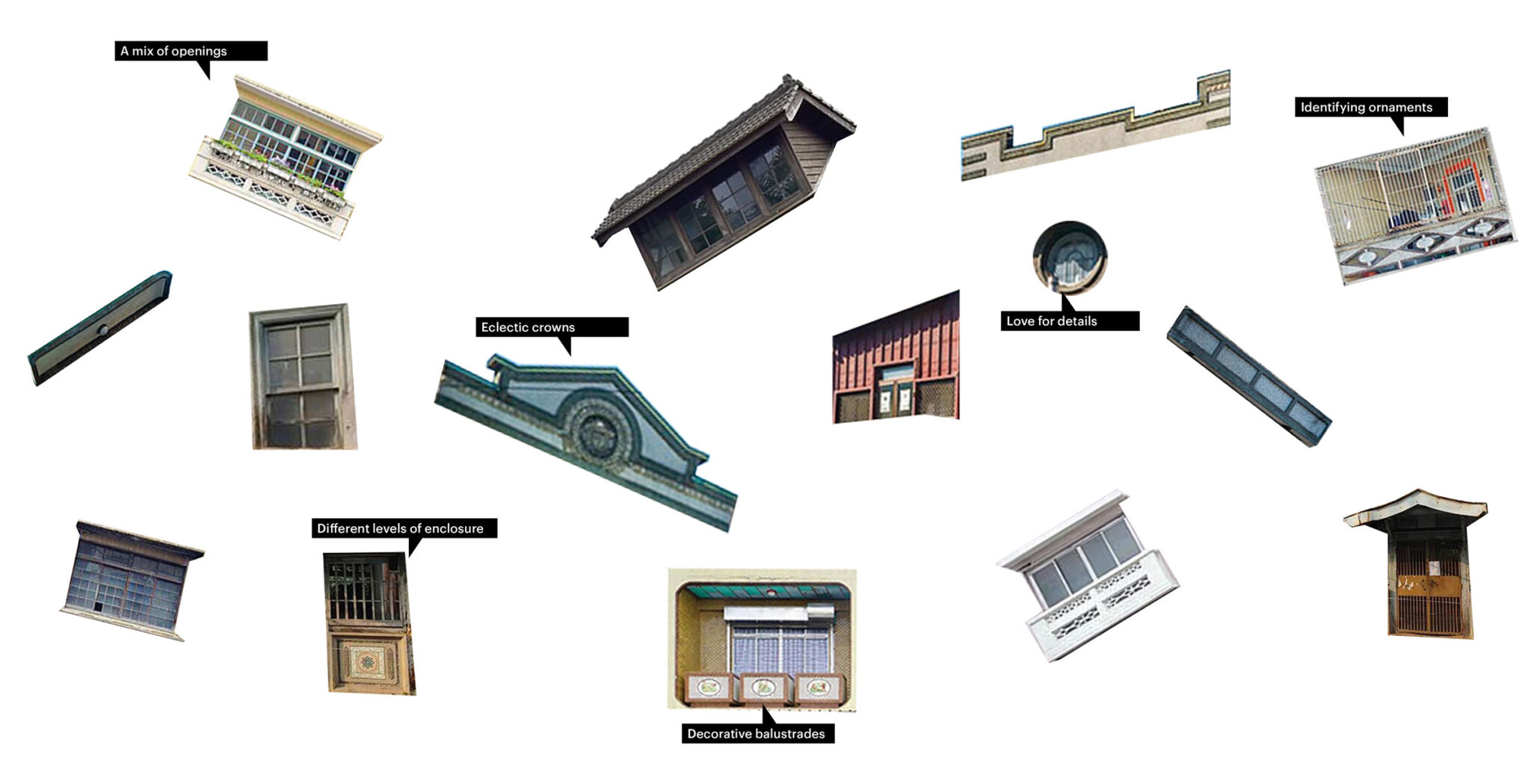
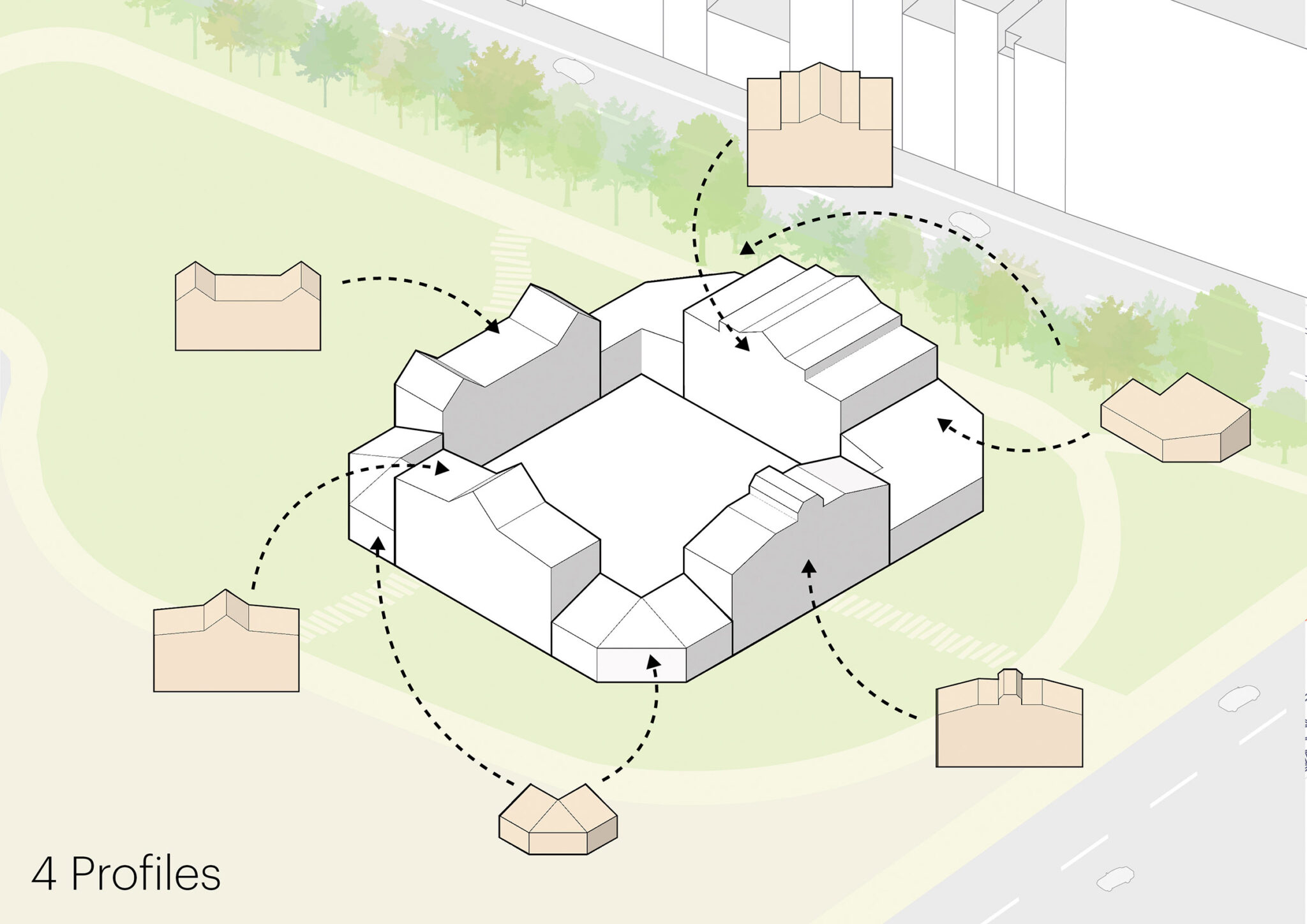
このパヴィリオンの設計のために、MVRDVは嘉義に現存する木造建築の建築的調査から着手しました。彼らが見いだしたのは折衷的なミックスでした。木造建築はさまざまな時代や様式にわたって存在していましたが、それでも設計チームは、嘉義の木造建築を特徴づけるいくつかの共通要素を特定しました。それは、街路の角を強調するための斜めの切り欠きや、装飾的なクラウンやファサードの装飾要素によって生み出される精緻な屋根ラインなどです。
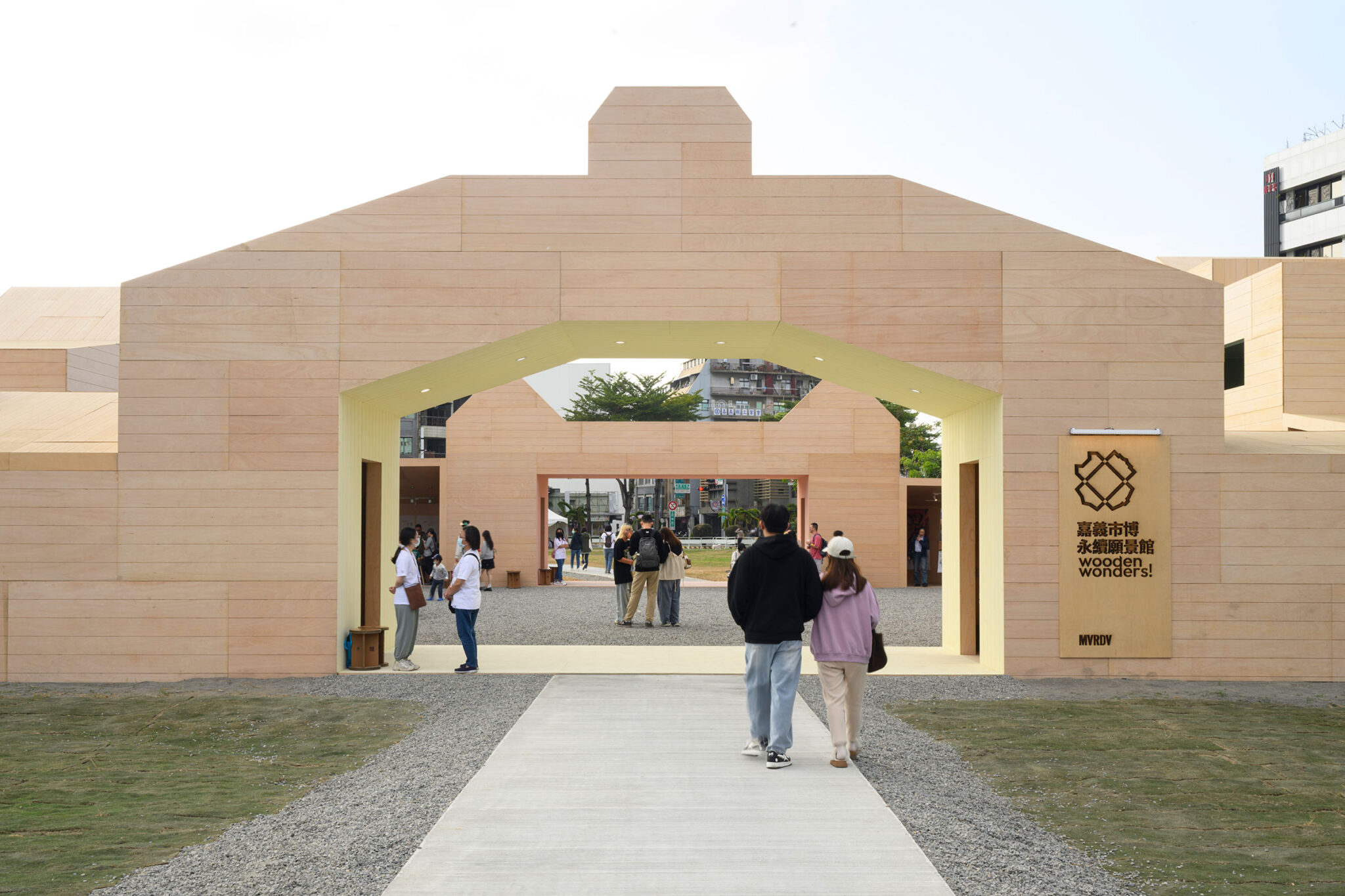
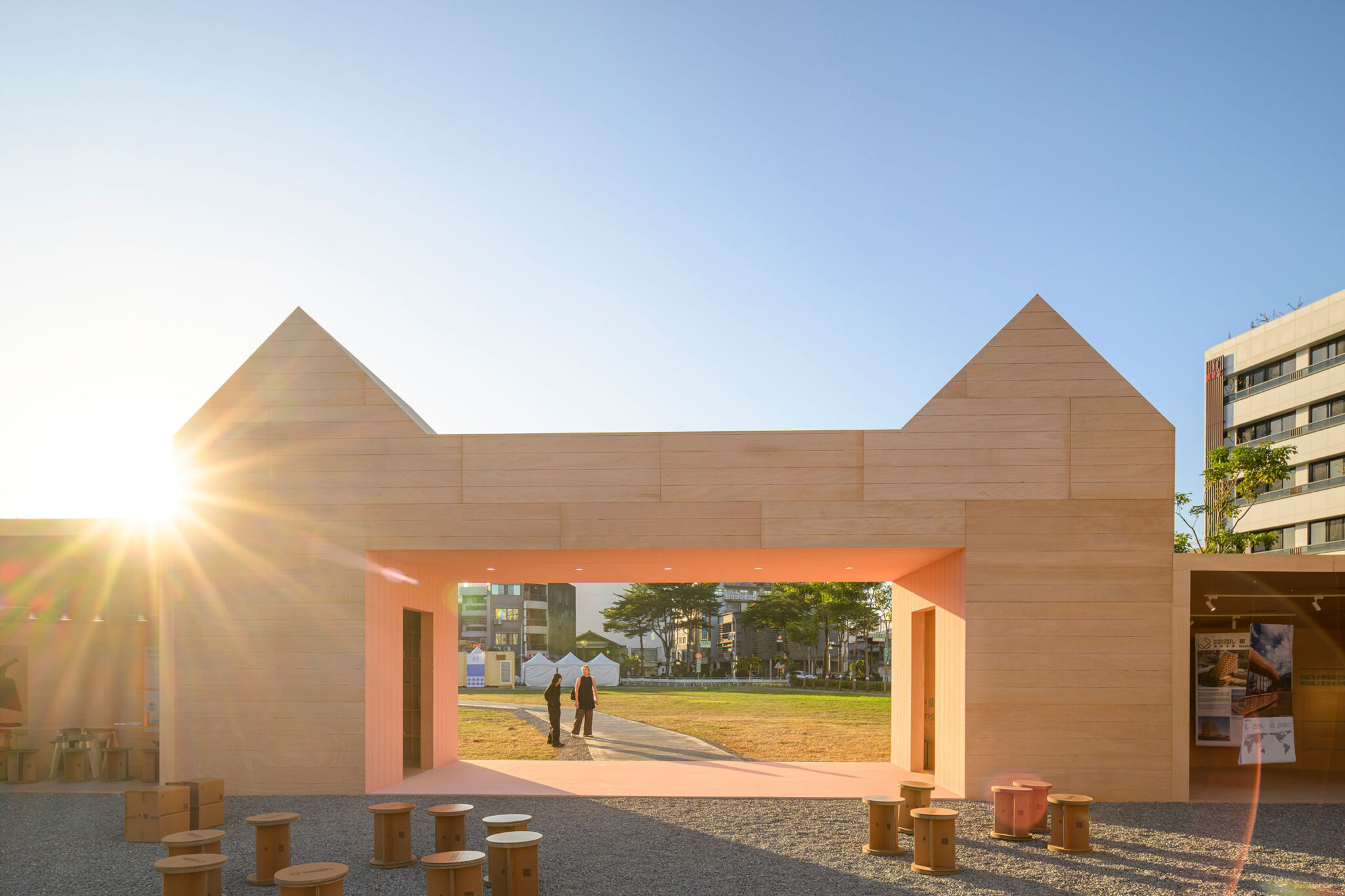
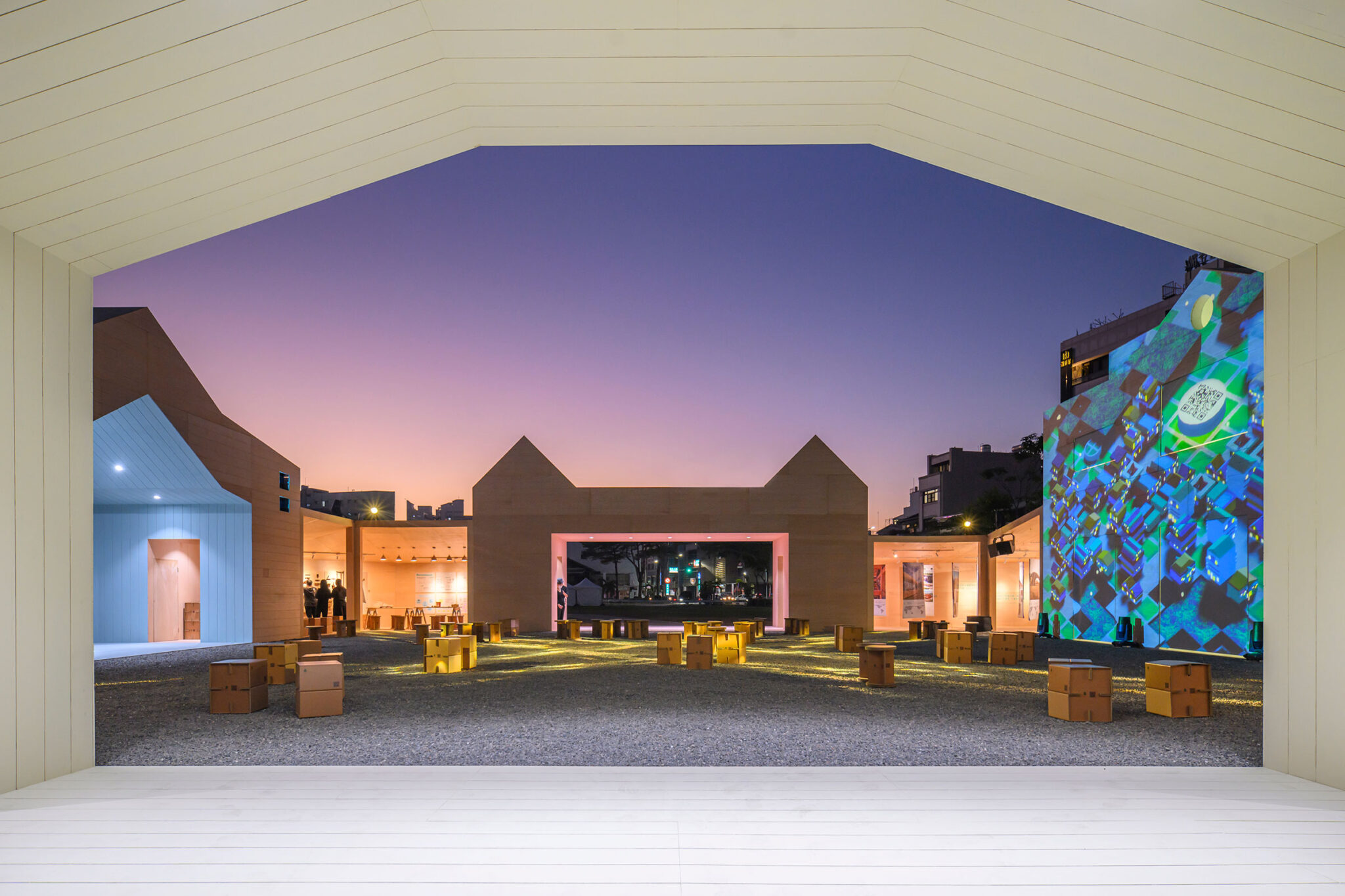
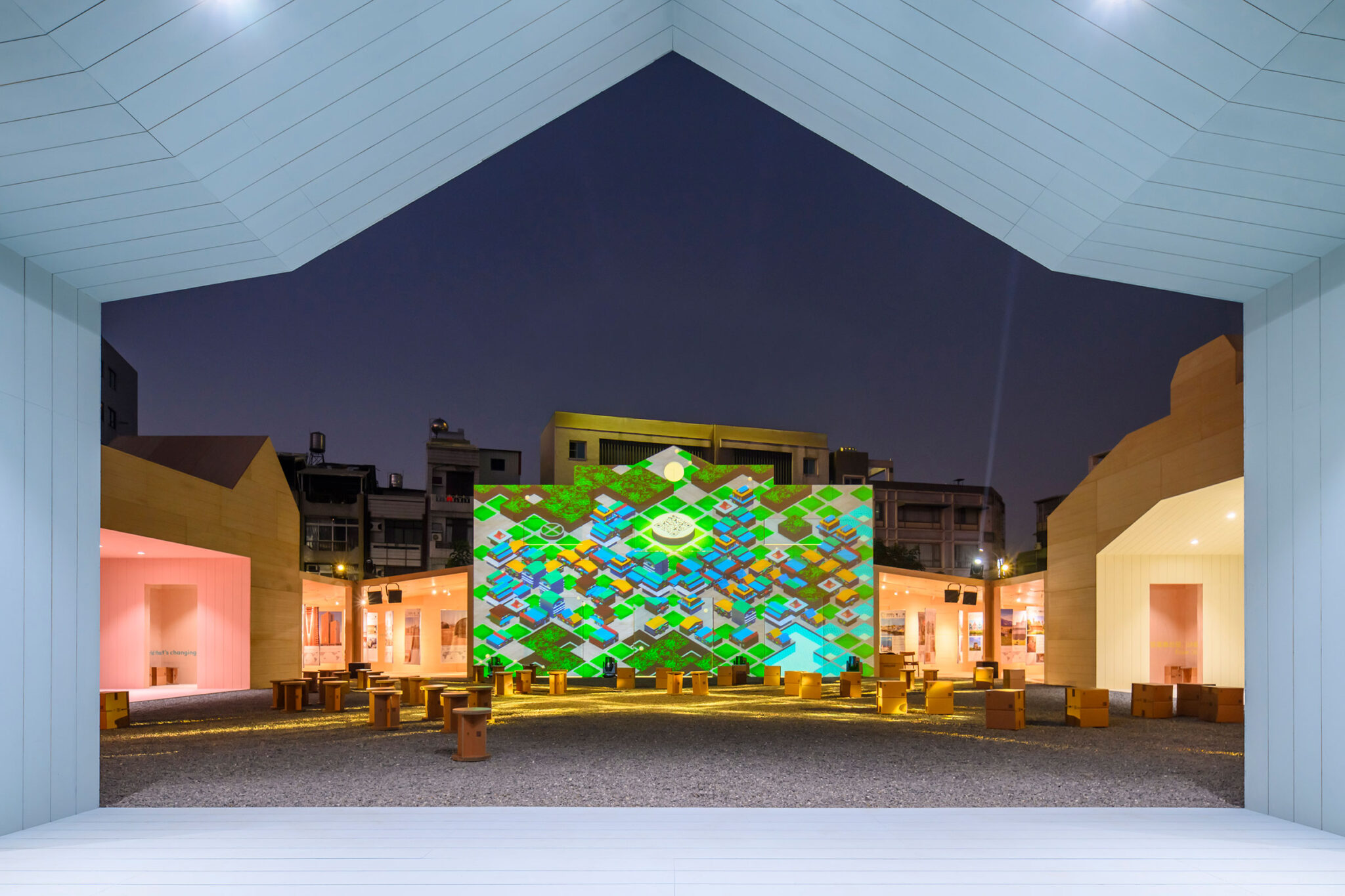
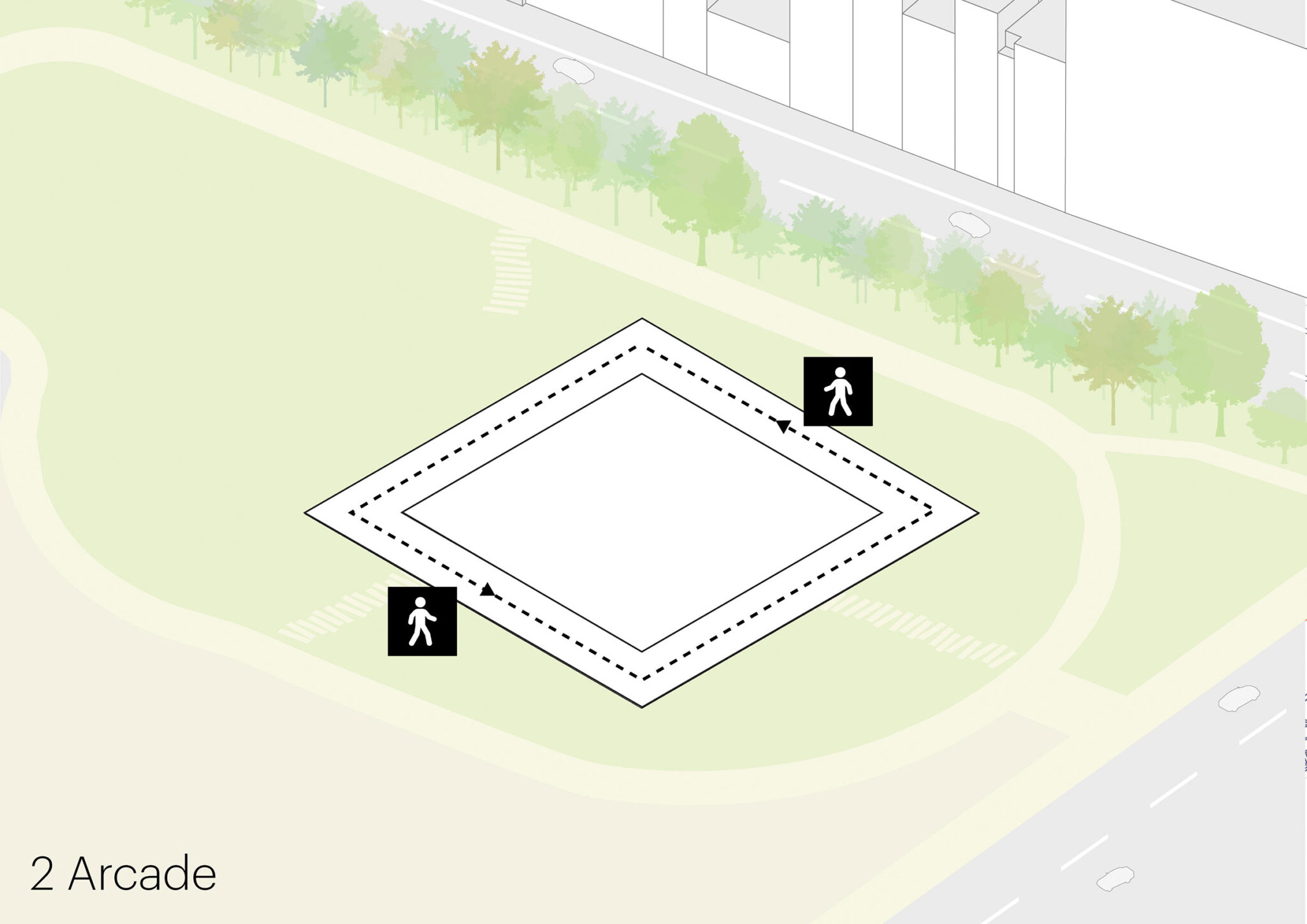
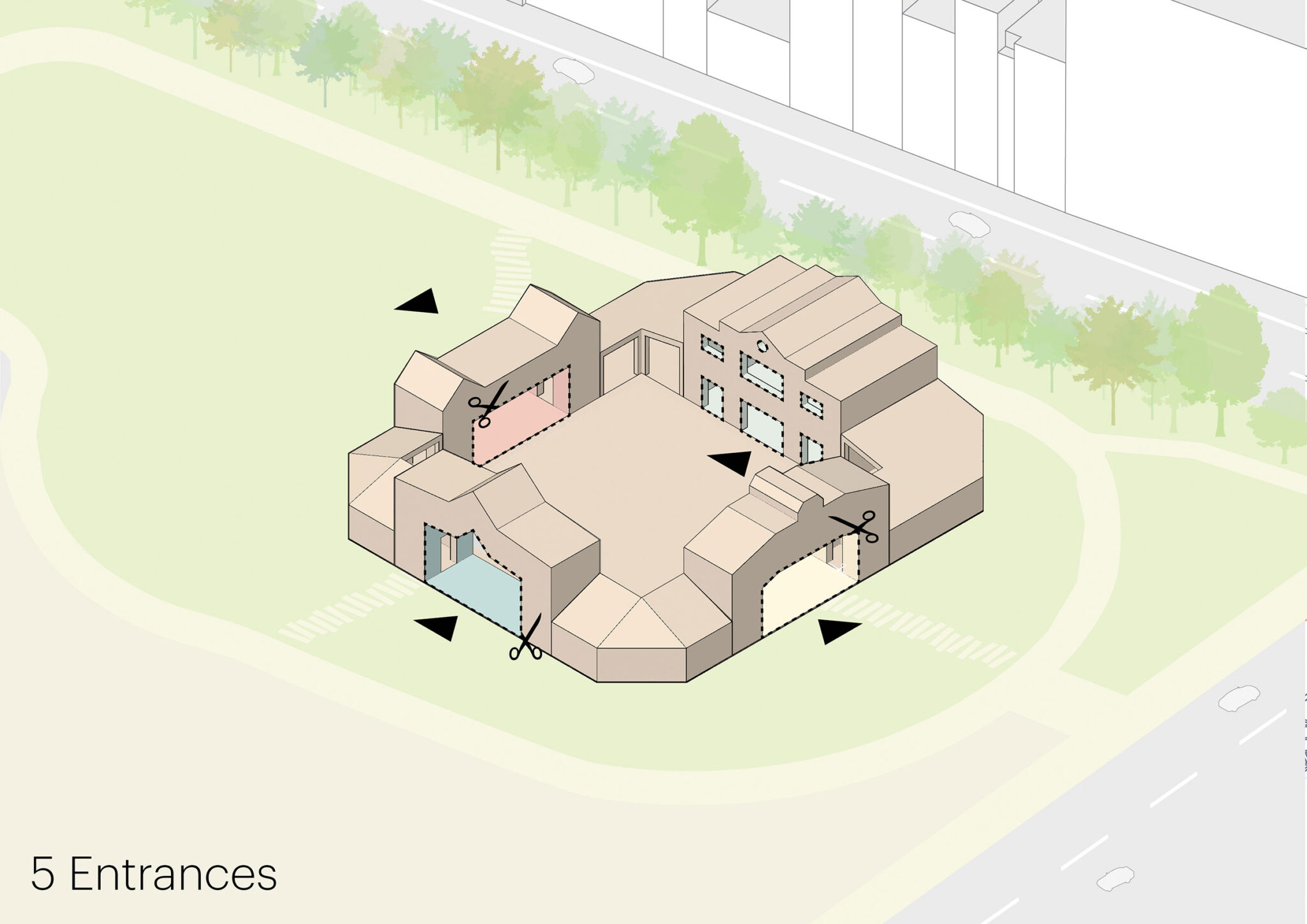
これらの要素はパヴィリオンのデザインにも反映されており、4つの面取りされた角は街角のカフェやレストランを想起させています。また、パヴィリオンの各辺は、美術館や警察署といった著名な木造建築に着想を得た屋根ラインによって際立たせられています。これらのうち三つの側面は中庭へと通じるゲートを形成しており、その内部に施されたパステルカラーは、それぞれが参照している元の建築の色彩を想起させるディテールであり、この都市のリビングルームへと来訪者を迎え入れます。
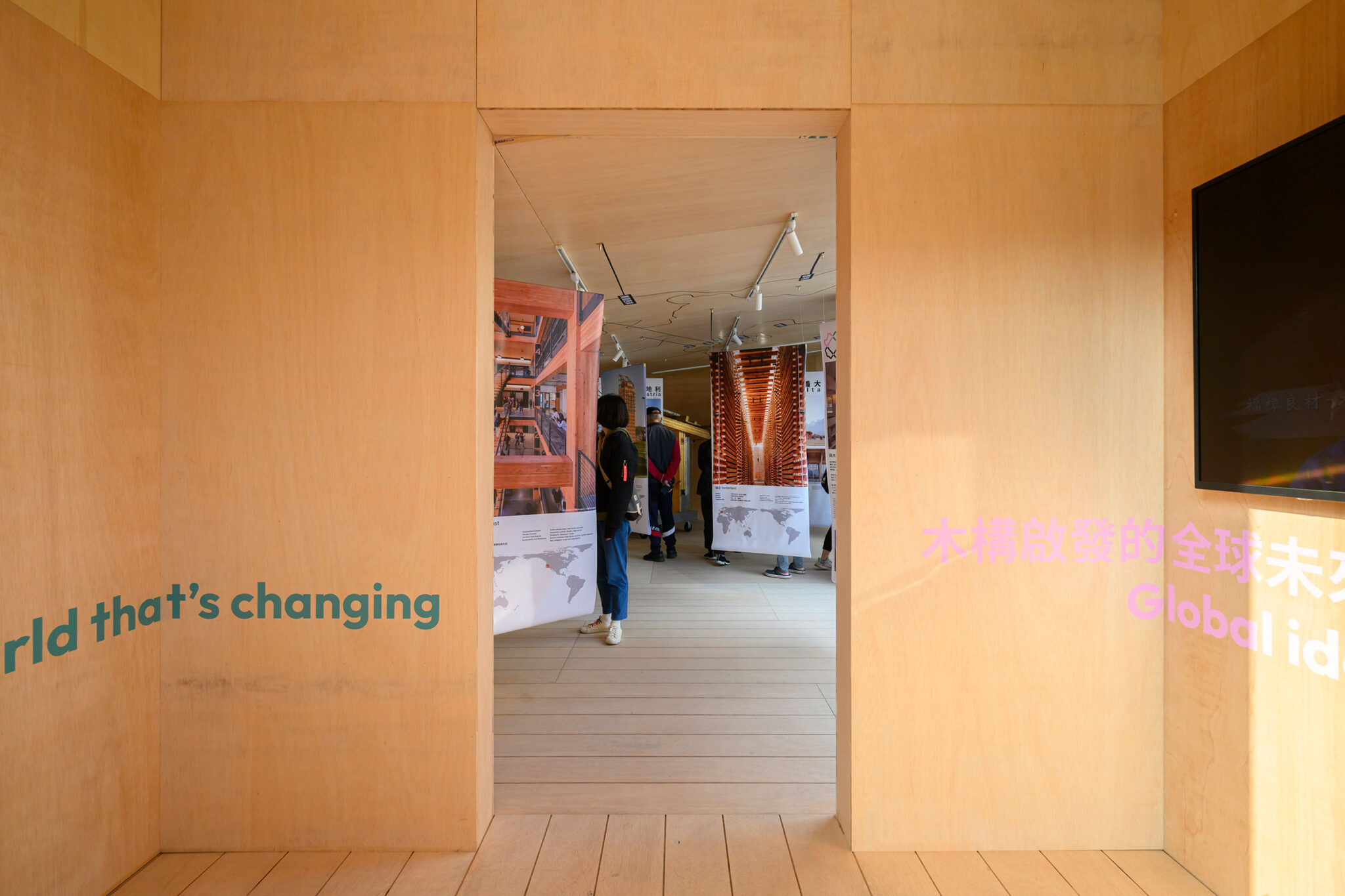
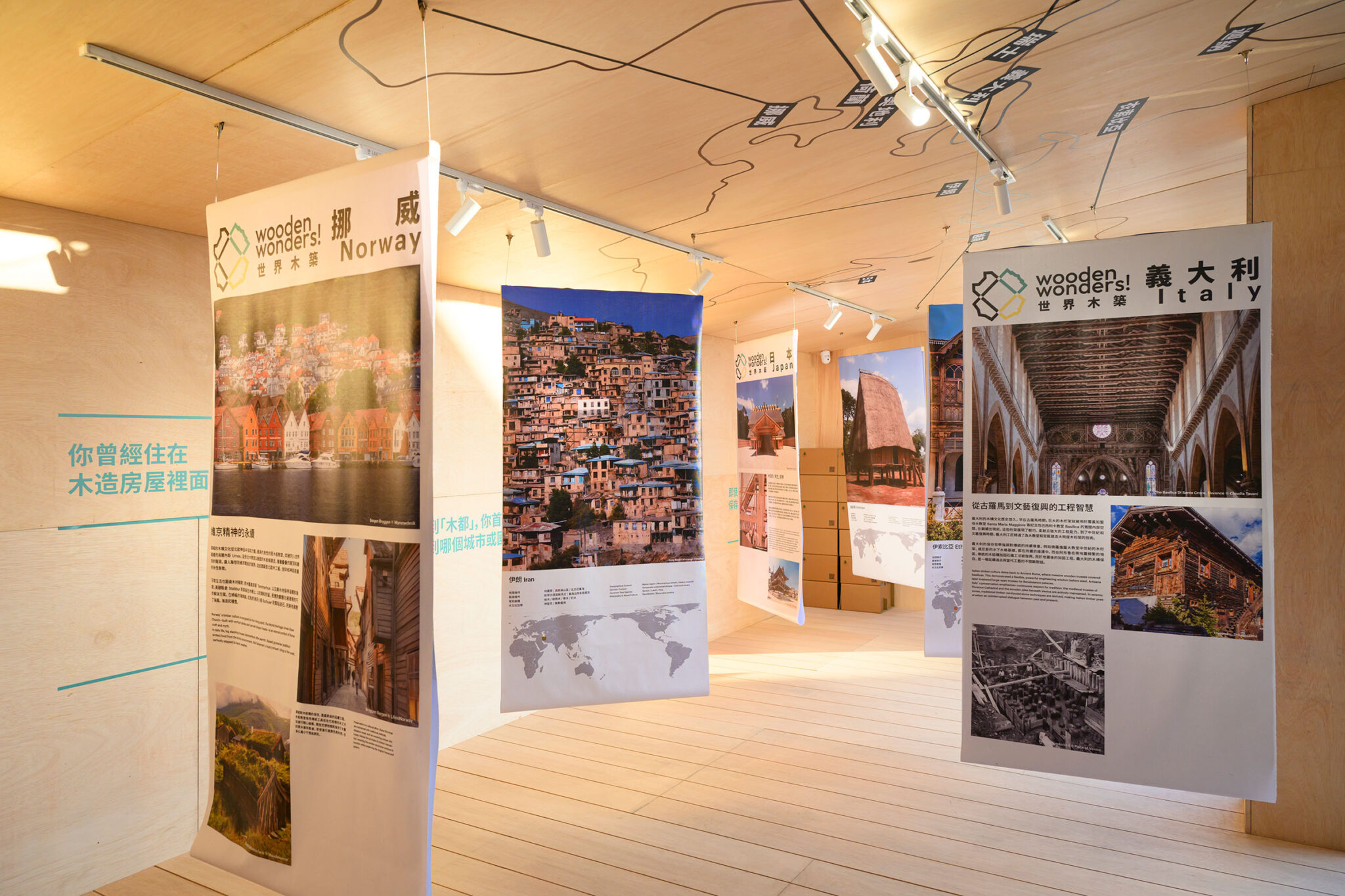
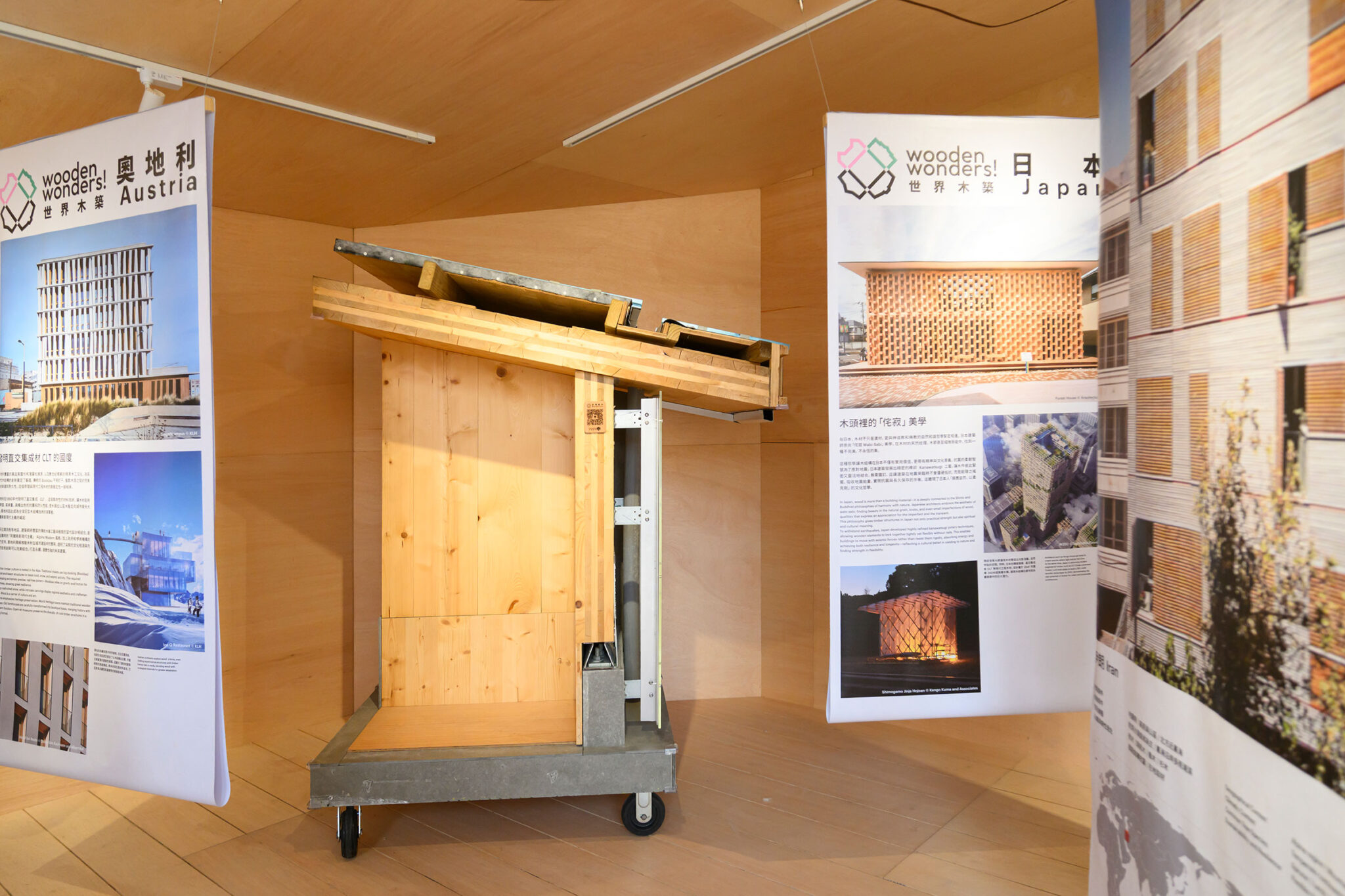
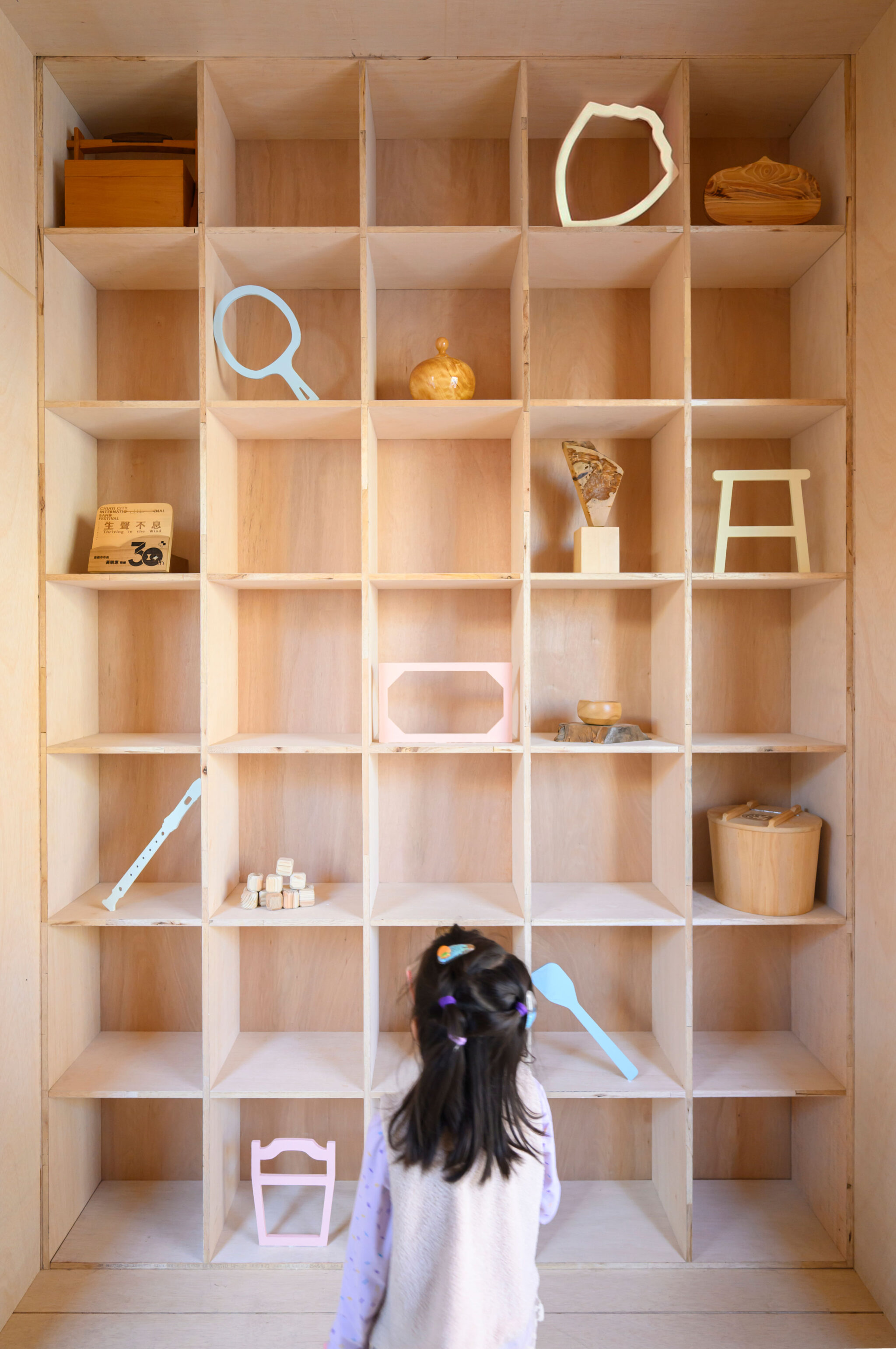
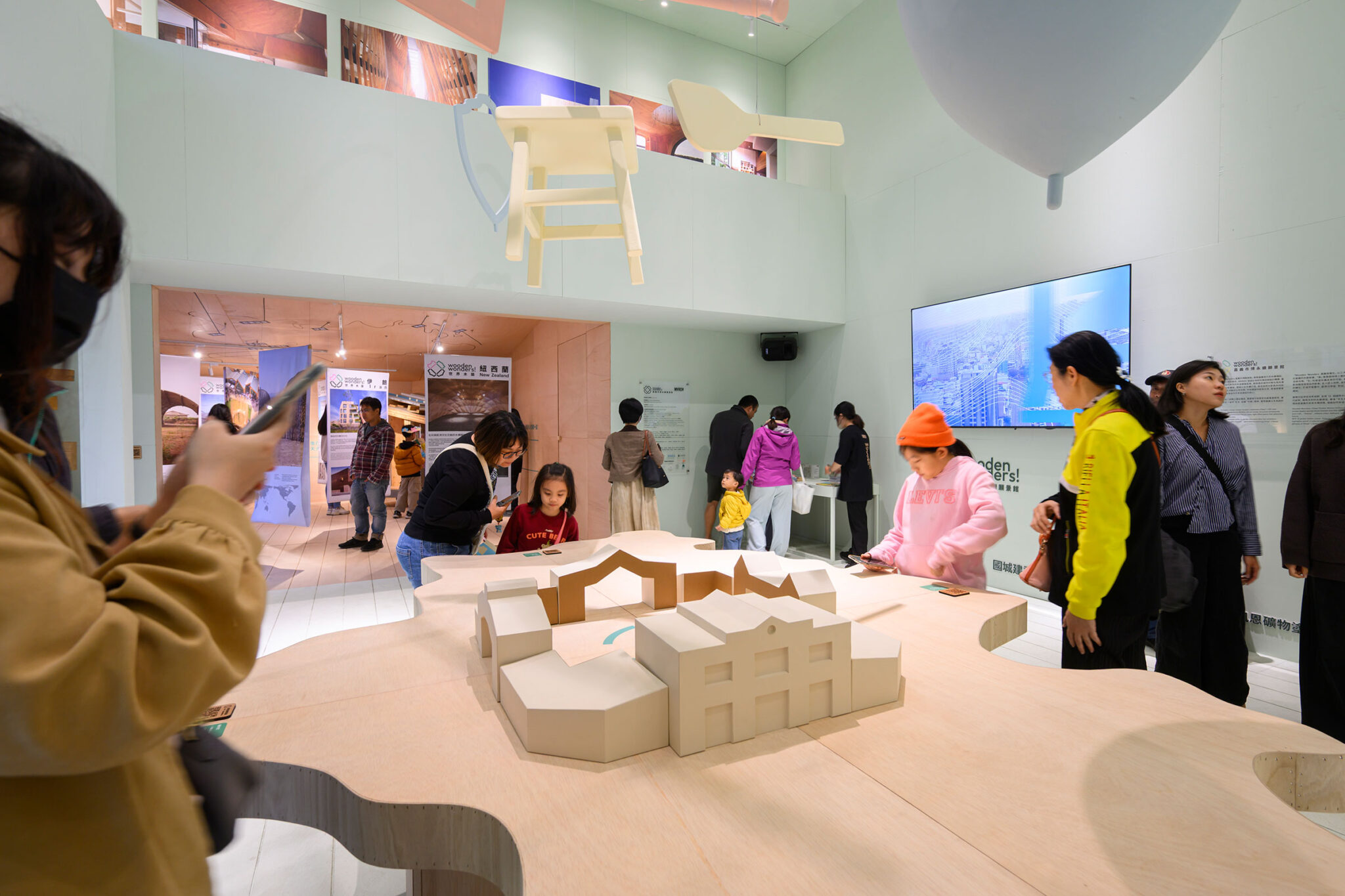
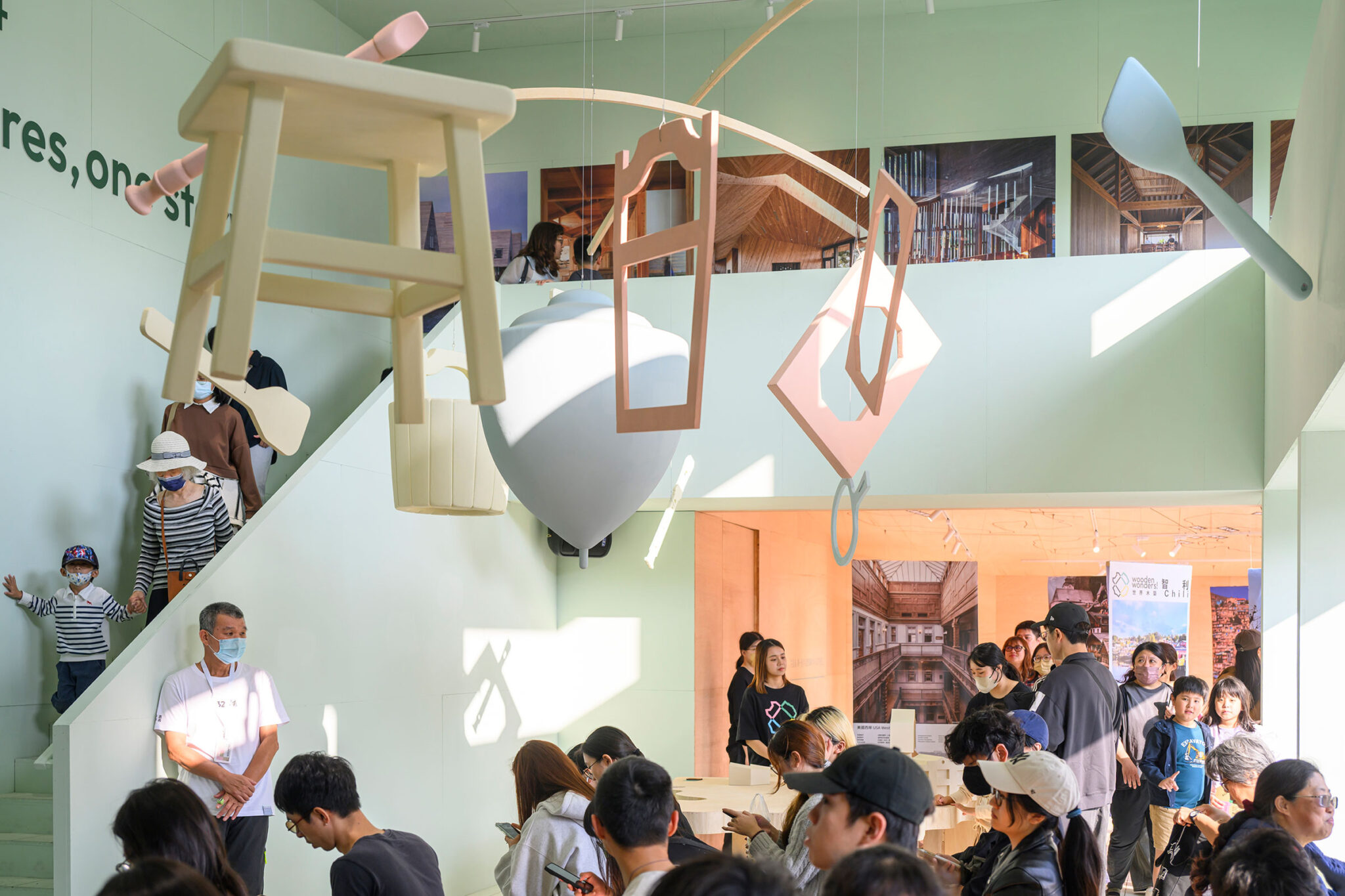
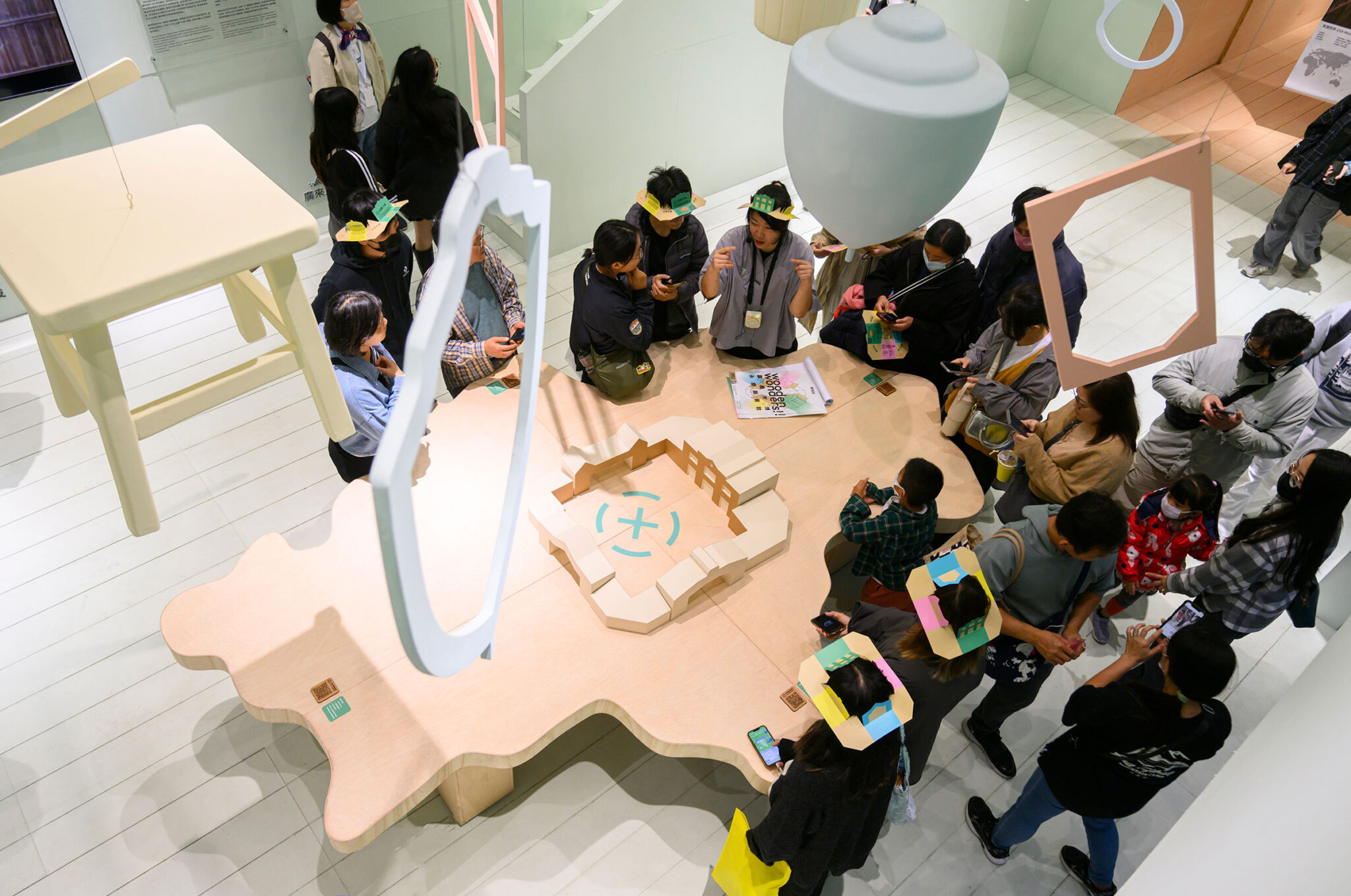
残る三つの区画は、台湾の「木の都」としての嘉義の可能性に充てられています。この展示では、ノルウェーからニュージーランドに至る世界各地の地域と比較しながら、他の地域がどのように木の伝統を育んできたのか、そしてこの文化を今日まで維持するために、いかに現代の状況に適応してきたのかを示しています。パヴィリオン北側を占める二層のメインホールでは、展示が嘉義における木の未来を提示し、木の文化が再活性化された場合の暮らしを来訪者に想像させるとともに、都市の将来の発展に向けた提案を促しています。
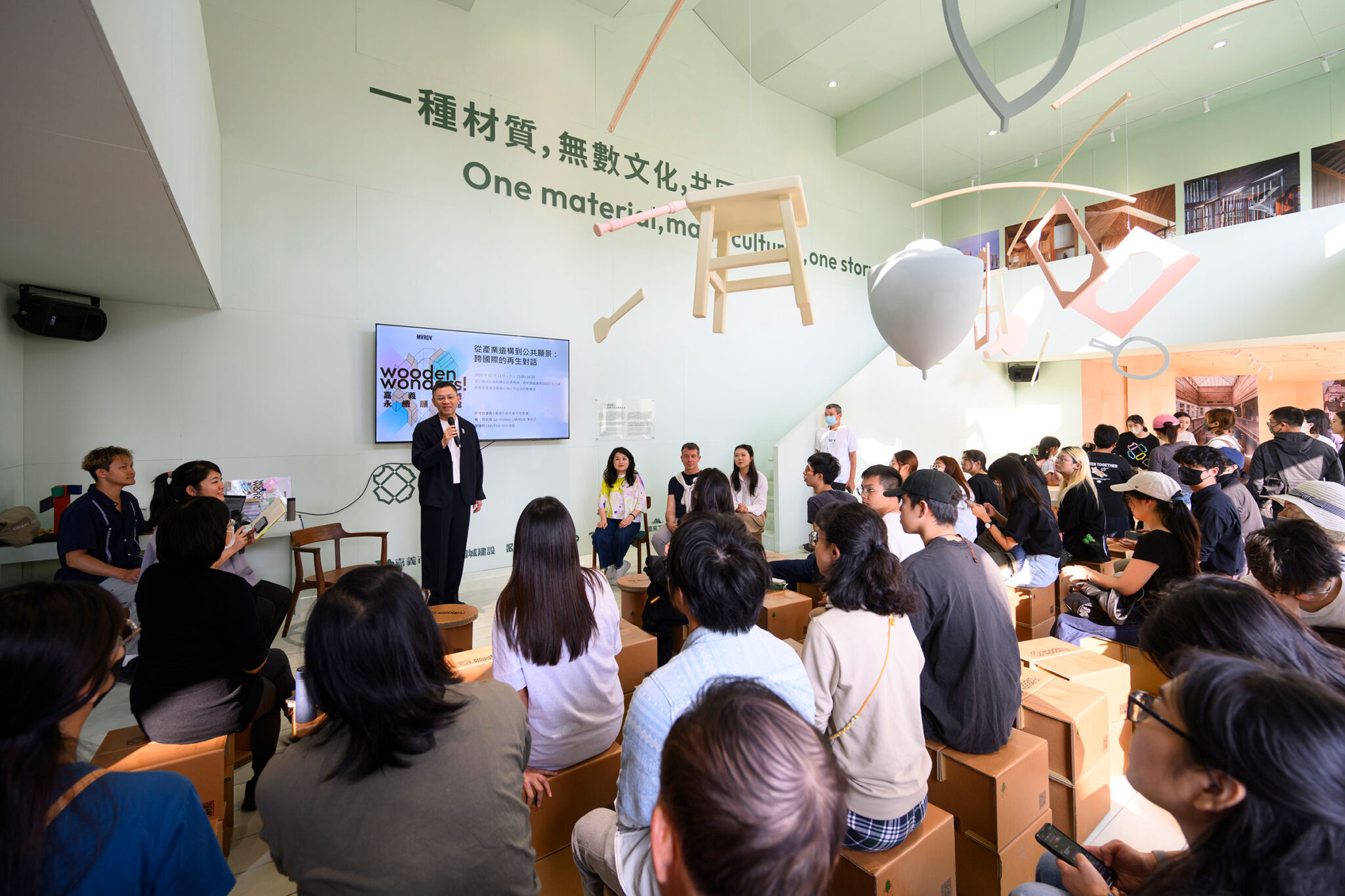
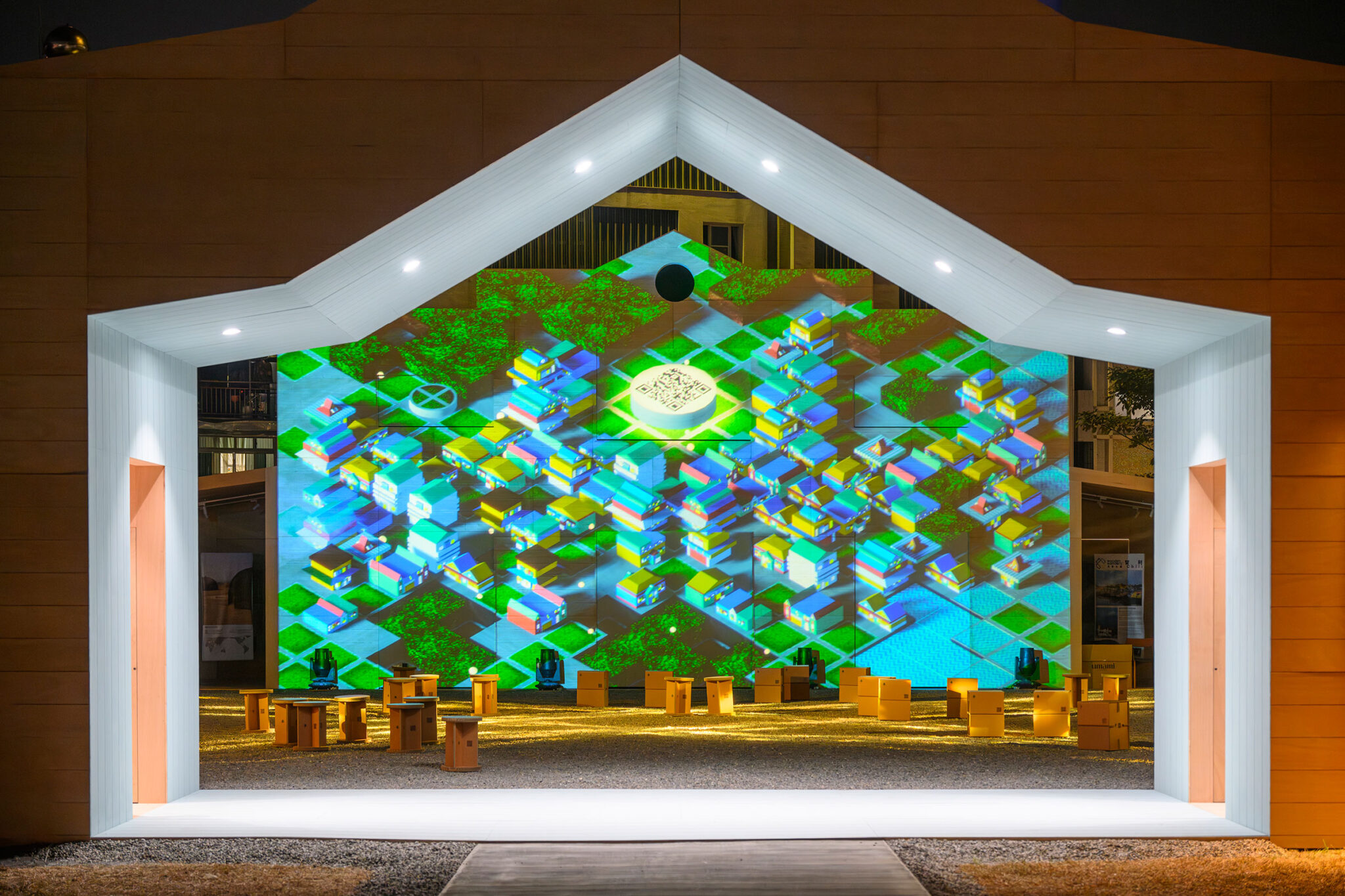
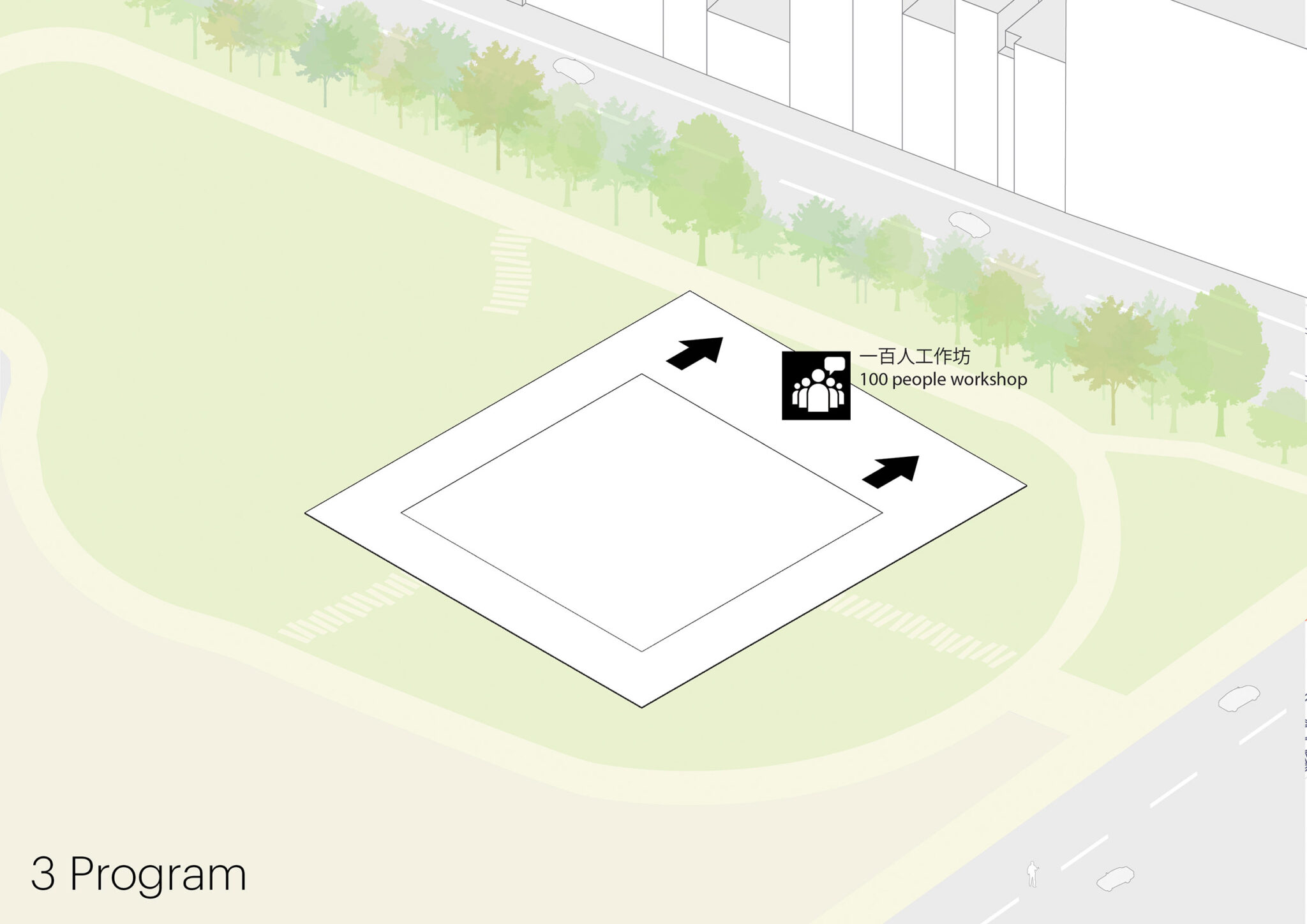
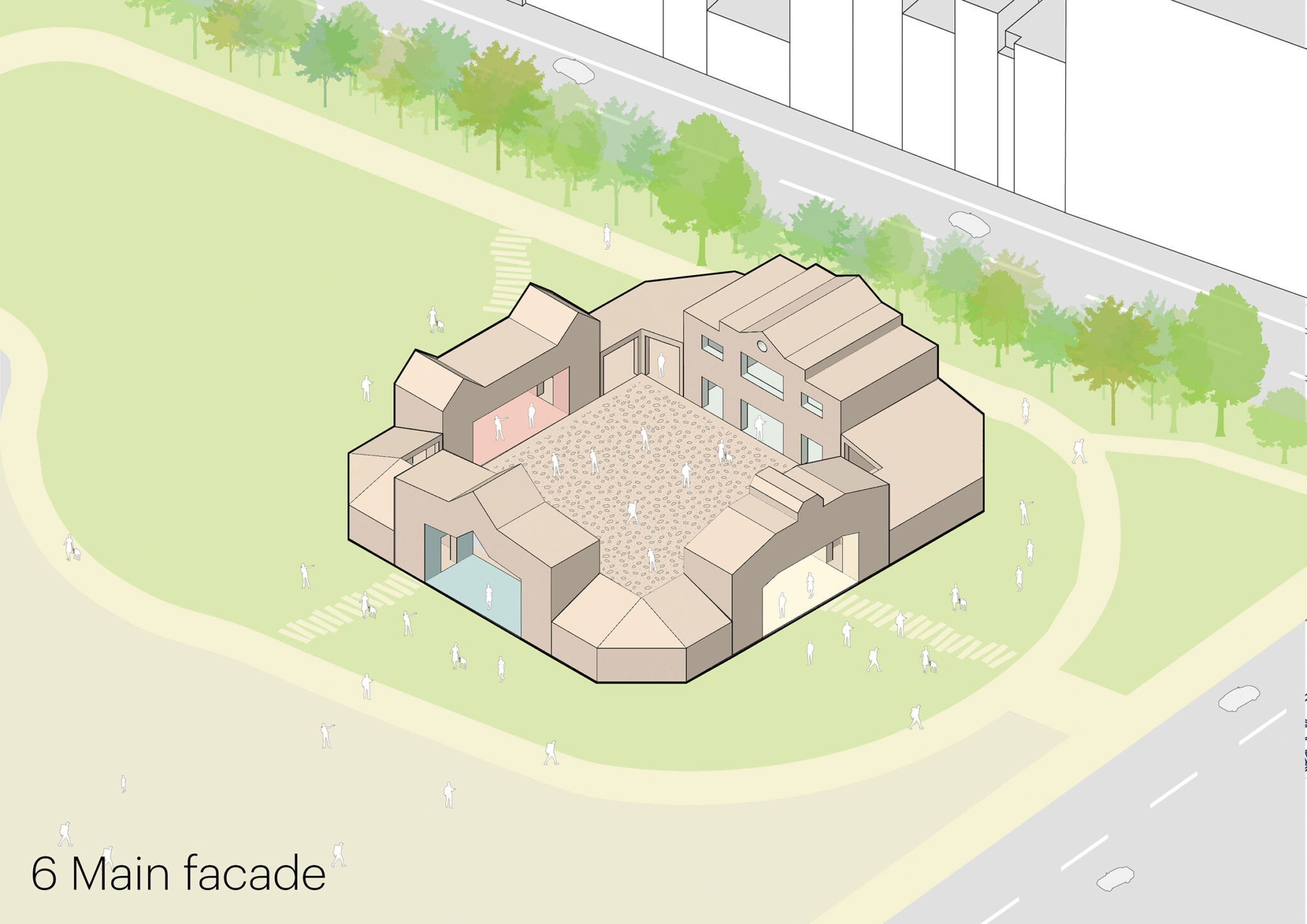
毎晩パヴィリオンの立面にライトショーが投影される中庭空間と、広々としたメインホールを備えたウッデン・ワンダーズ・パヴィリオンは、市の記念祝賀行事の期間中、主要な交流の場として機能します。そのため、本パヴィリオンでは一般向けに一連のイベントが開催され、MVRDVのパートナーであるヤン・クニッカー(Jan Knikker)および台湾代表のフイ・シン・リャオ(Hui Hsin Liao)に加え、嘉義市の都市発展局長であるフアイチュン・シュー(Huai-chun Hsu)、ならびに南華大学芸術・デザイン学部長のチェン・チェンチョー(Cheng-che Chen)が登壇するフォーラムなどが行われます。また、MVRDVのプロジェクトリーダーであるヴェロニカ・デラ・ヴェントゥーラ(Veronica Della Ventura)および建築家のハーン・ツォウ(Herng Tzou)による3つのレクチャーも行われます。パヴィリオンのイベントスケジュールの詳細については、こちらをご覧ください。
以下の写真はクリックで拡大します


以下、リリーステキストです。
Wooden Wonders: MVRDV’s wooden pavilion and exhibition celebrates the past, present, and future of timber craft in Chiayi
For the 321st anniversary celebrations of the founding of Chiayi City in Taiwan, MVRDV has completed a temporary timber pavilion housing an exhibition on manufacture, craft, and construction with wood. Located across from Chiayi’s city hall, the Wooden Wonders pavilion encloses a square courtyard, with the shape of its perimeter structure informed by deep research into the city’s timber construction heritage. The project will be on display throughout Chiayi’s anniversary celebrations, from December 12–28, providing a space for residents to gather, learn about the city’s heritage and discuss the city’s “timber future”.
Thanks to its position near to the dense forests of Taiwan’s mountainous heart, the timber industry was crucial to Chiayi’s historical development, and the city produced a range of wooden products, from toys and furniture to buildings. Today, the forests that once enabled this industry are now protected, and the knowledge and skills that created this culture have been forgotten by many of the residents. Yet there are still over 6,000 timber buildings remaining in the city – a heritage which the city government has recently started to recognise, protect, and restore.
As part of Chiayi’s anniversary celebrations, the municipality therefore invited MVRDV to develop a pavilion and exhibition that explores the city’s relationship with wood, from celebrating the area’s natural forests to showcasing the possibilities of modern timber construction. In the context of Taiwan – where many people see timber as a less reputable or reliable construction material, and seismic regulations make the transformation of existing buildings rare – the pavilion’s focus on sustainability and heritage preservation takes a bold stance.
“The story of timber construction in Chiayi really mirrors how attitudes to timber have changed globally”, says MVRDV founding partner Jacob van Rijs. “Once a pragmatic and widely available construction material, timber became ‘old-fashioned’ when materials such as concrete and steel became cheaper and more efficient. Yet nowadays, the climate crisis forces us to look from a different angle: wood stores carbon, while concrete and steel release huge quantities of it into the atmosphere; meanwhile decades of research and innovation have made modern buildings increasingly viable with engineered timber techniques. Now is a perfect moment to talk about timber again.”
For the design of the pavilion, MVRDV began with an architectural study of the existing timber buildings of Chiayi. What they found was an eclectic mix: timber buildings were represented in a wide variety of time periods and styles; nevertheless, the design team did identify a number of common features that distinguished Chiayi’s timber architecture, such as diagonal cuts to emphasise street corners, and elaborate rooflines resulting from ornamental crowns and decorative facade elements.
These elements are echoed in the pavilion design, with its four chamfered corners echoing the city’s corner cafes and restaurants, while each side of the pavilion is highlighted by a roofline inspired by notable wooden buildings such as a museum and police station. Three of these sides form gateways towards the courtyard, with the pastel colours of their interiors – a detail that also references the colours of the original buildings they represent – welcoming visitors into this urban living room.
The remaining three sections are dedicated to Chiayi’s potential as Taiwan’s “Wood Capital”. The exhibition draws parallels to regions all around the world, from Norway to New Zealand, showing how other places developed their wood traditions, and how they have adapted to modern conditions to maintain this culture up until today. In the main hall – a two-storey space that takes up the northern side of the pavilion – the exhibition presents Chiayi’s timber future, inviting visitors to imagine what life could be like with a reinvigorated wood culture, and to make suggestions for the city’s future development.
With its courtyard space – where a light show will be projected onto the pavilion’s facade every evening – and spacious main hall, the Wooden Wonders pavilion will serve as a key gathering space during the city’s anniversary celebrations. As such, it will host a series of events for the public, including forums featuring MVRDVs Partner Jan Knikker and Head of Taiwan Hui Hsin Liao alongside Chiayi’s Director of the Urban Development Huai-chun Hsu, and Dean of the College of Arts and Design at Nanhua University Cheng-che Chen. There will also be three lectures delivered by MVRDV project leader Veronica Della Ventura and Architect Herng Tzou. For full details of the pavilion’s event schedule see here.
■建築概要
Project Name: Wooden Wonders – Chiayi City Expo
Location: Chiayi, Taiwan
Year: 2025 – 2025
Client: Chiayi City Government
Size and Programme: 780m2 Pavilion + Exhibition
───
Credits
Architect: MVRDV
Founding Partner in charge: Jacob van Rijs
Curator: Jan Knikker, Hui Hsin Liao
Co-curator: Herng Tzou
Design Team: Jacob van Rijs, Jan Knikker, Hui Hsin Liao, Veronica Della Ventura, Samuel Tam, Miruna Duna, Ciprian Buzdugan, Laura Travnikova, Antonio Luca Coco, Teresa Papachristou, Lorenzo D’Alessandro, Yayun Liu, Andreana Vasilatou, Lodovica Chiaravalli
Copyright: MVRDV Winy Maas, Jacob van Rijs, Nathalie de Vries
───
Collaborators
Local Executing Team: Bunkder Design
Wood Structure: Guanglai Construction
Projection Mapping: IF Plus
Photographs: © Shephotoerd