SHARE OMA / 重松象平による、メキシコの「CASA WABI MUSHROOM PAVILION」。交流の場にもなる“キノコ栽培”の為の施設。食とコミュニティを育てる場所として、楕円体形状で内部の下半分を“円形劇場”の様な段状とした建築を考案。自然景観の保全も考慮して地面との設置部分は最小限にする

OMA / 重松象平による、メキシコの「CASA WABI MUSHROOM PAVILION」です。
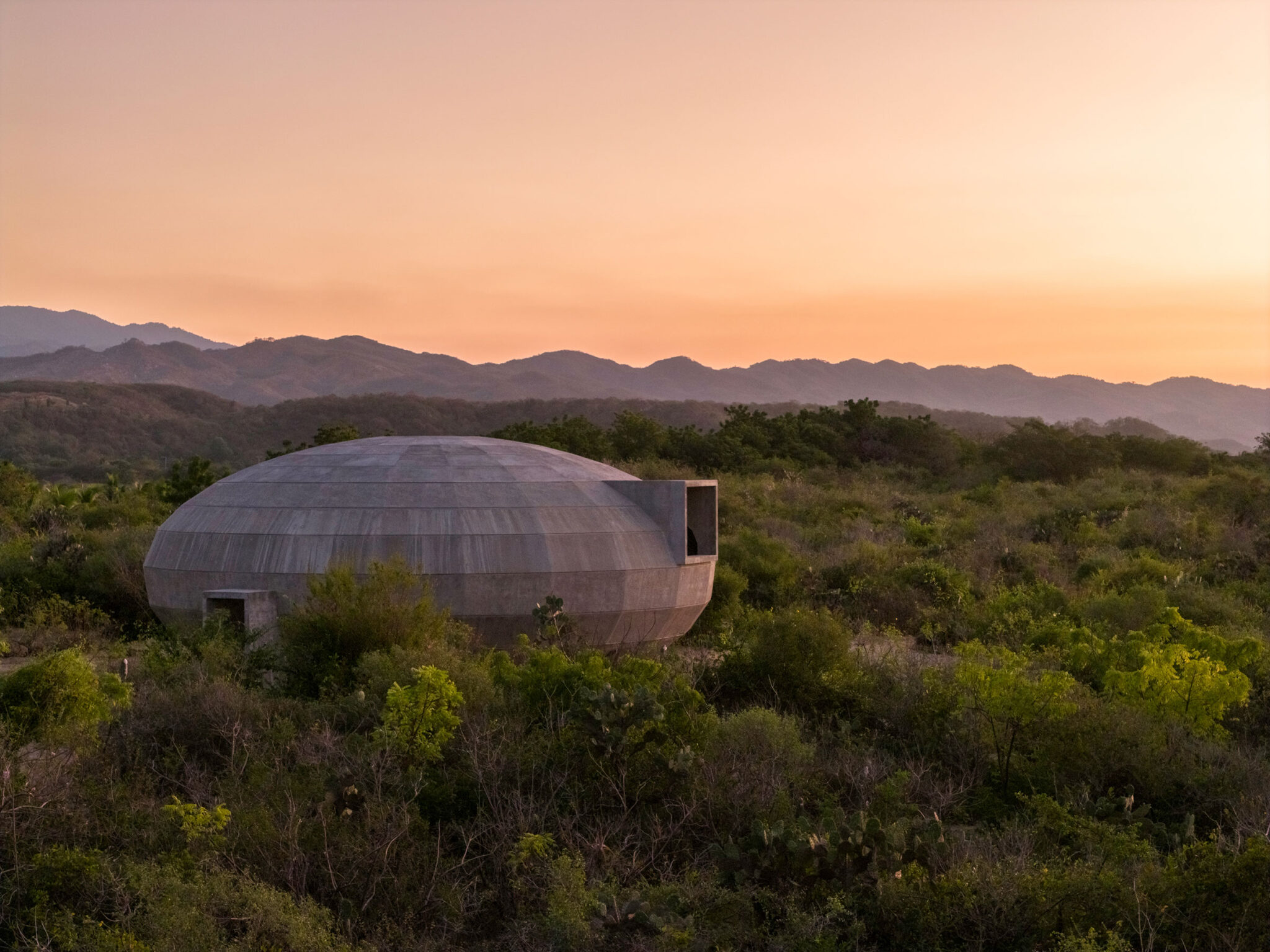
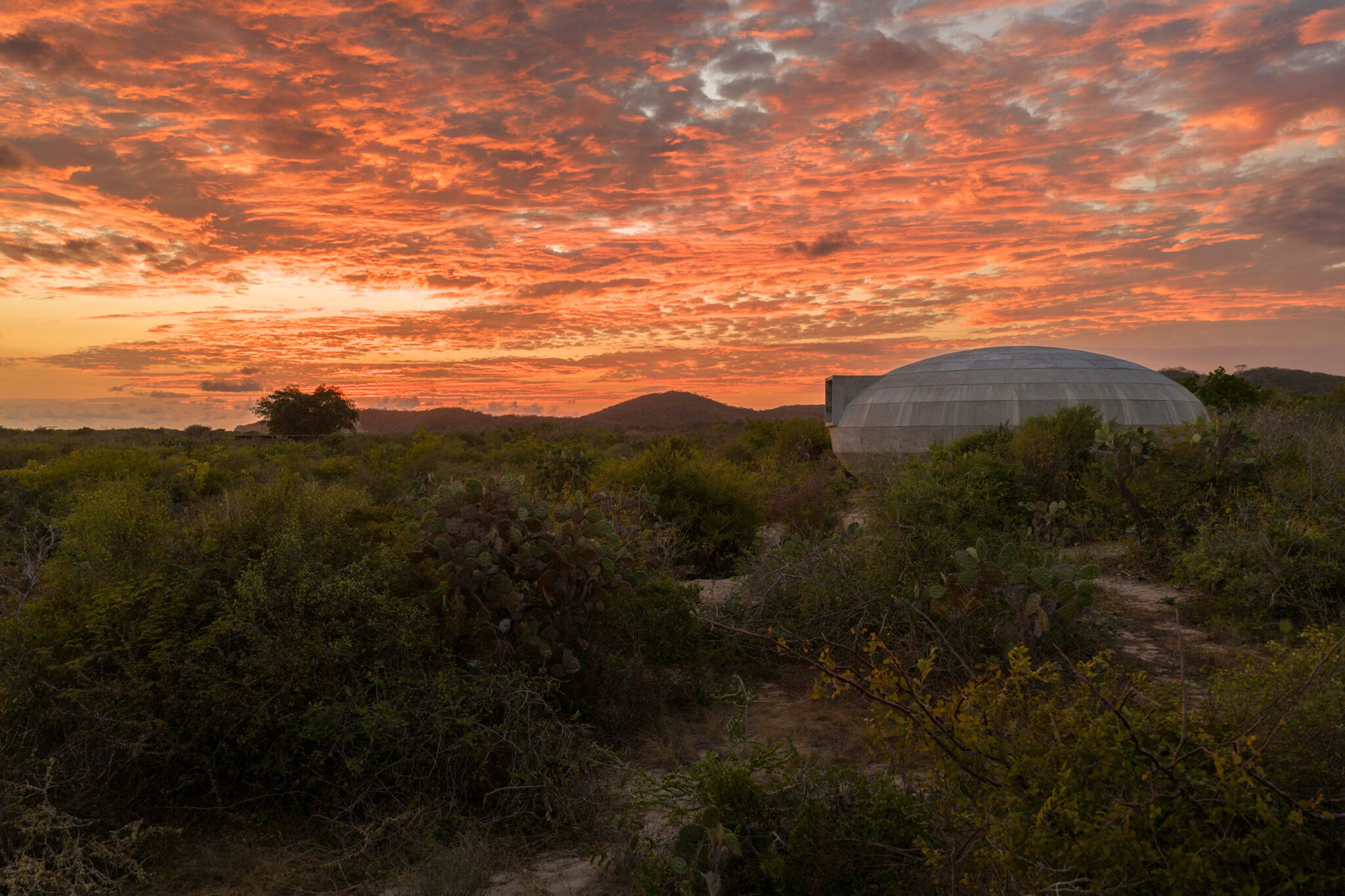
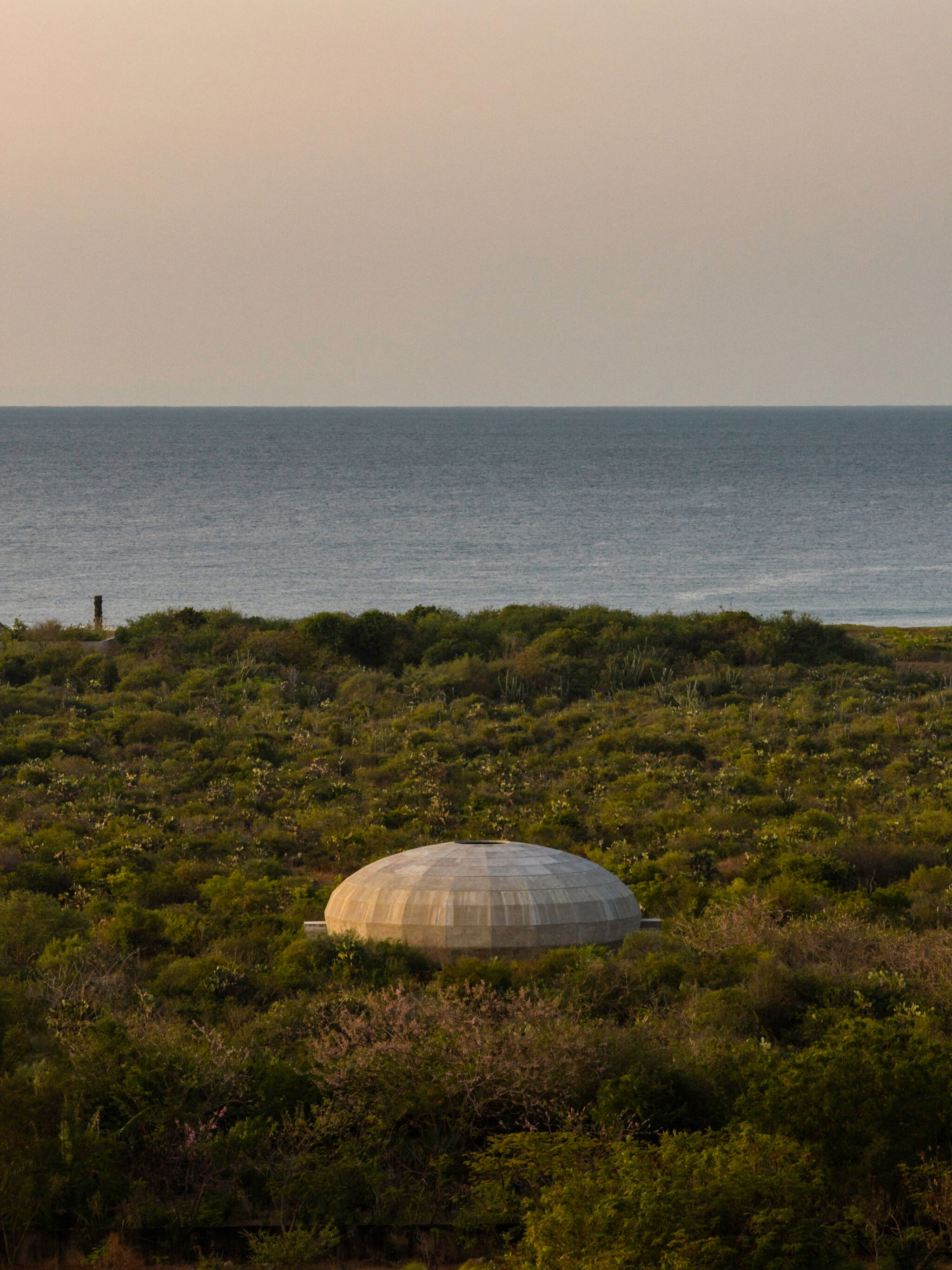
交流の場にもなる“キノコ栽培”の為の施設です。建築家は、食とコミュニティを育てる場所として、楕円体形状で内部の下半分を“円形劇場”の様な段状とした建築を考案しました。また、自然景観の保全も考慮して地面との設置部分は最小限にしています。
こちらはリリーステキストです(翻訳:アーキテクチャーフォト / 原文は末尾に掲載)
OMA / 重松象平によるマッシュルーム・パヴィリオンがプエルト・エスコンディードのカーサ・ワビでオープン
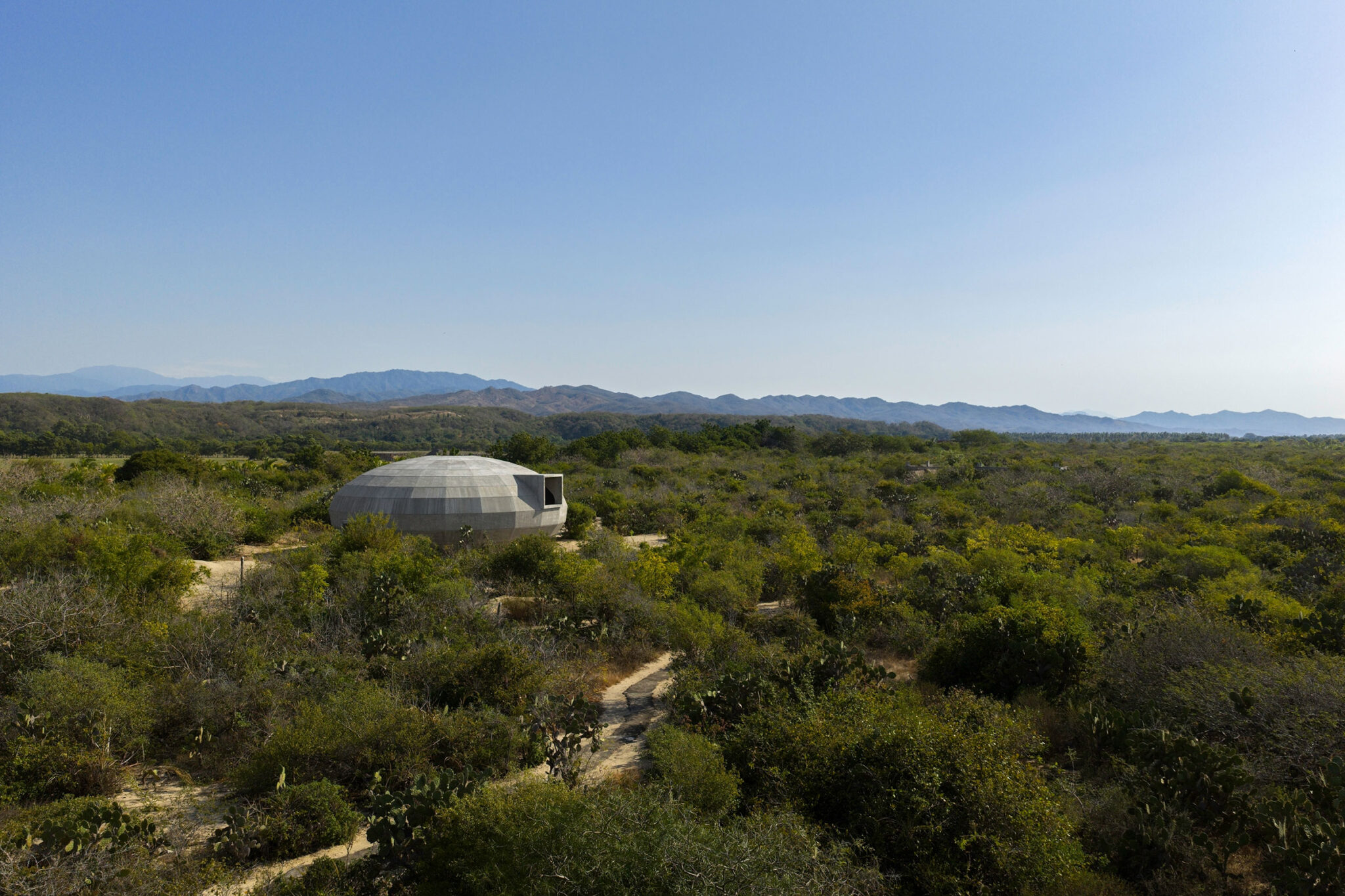
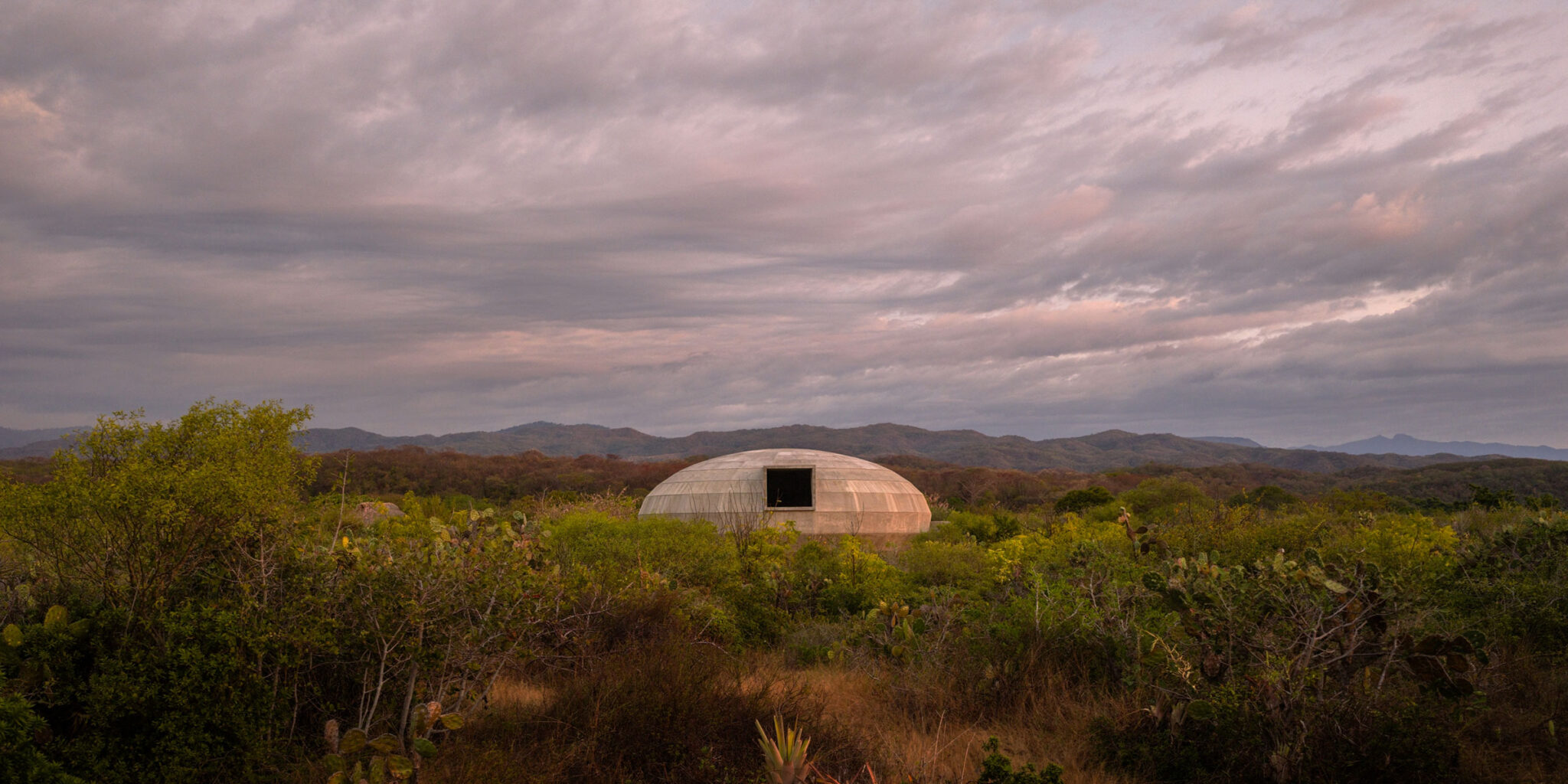
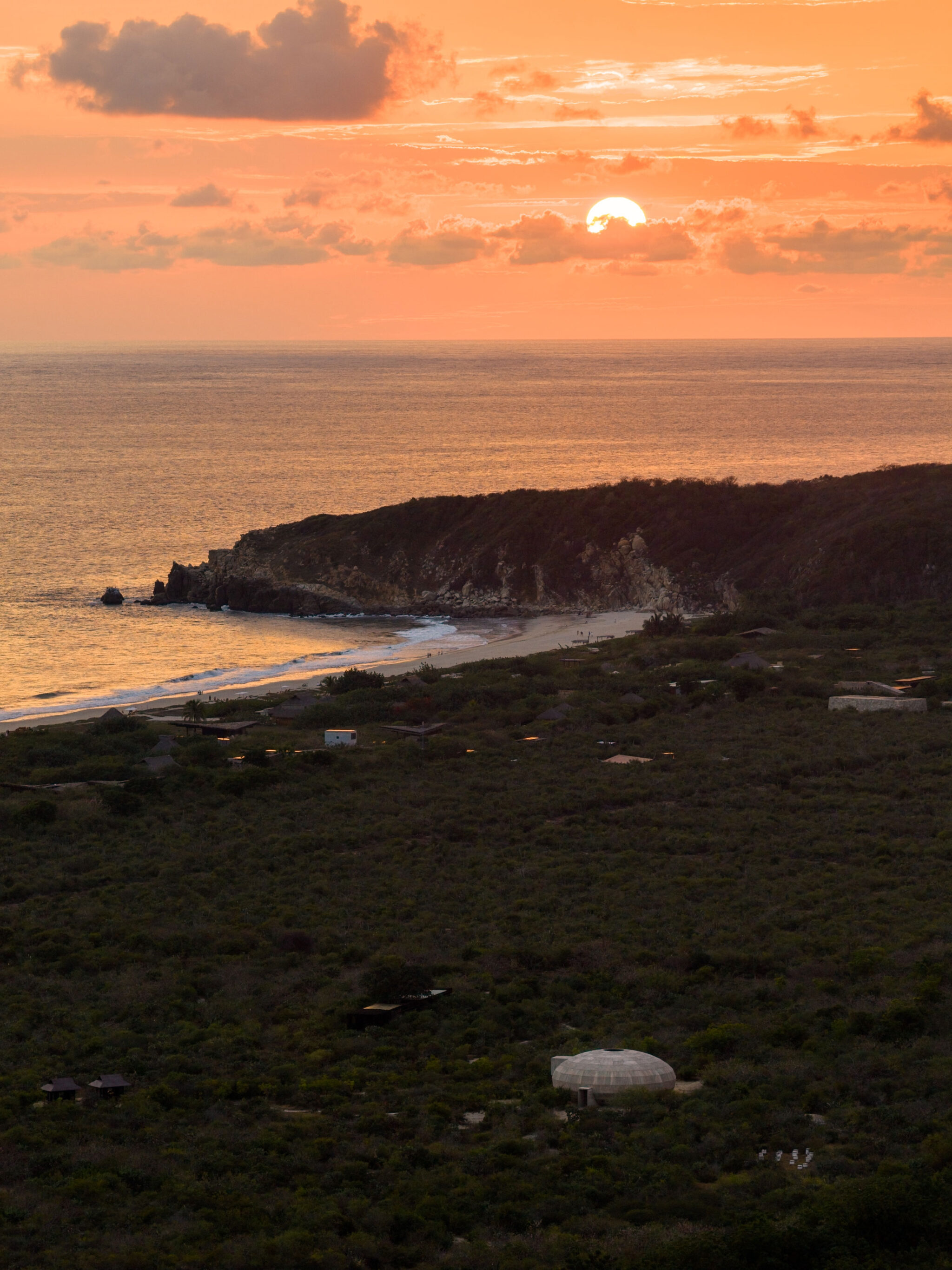
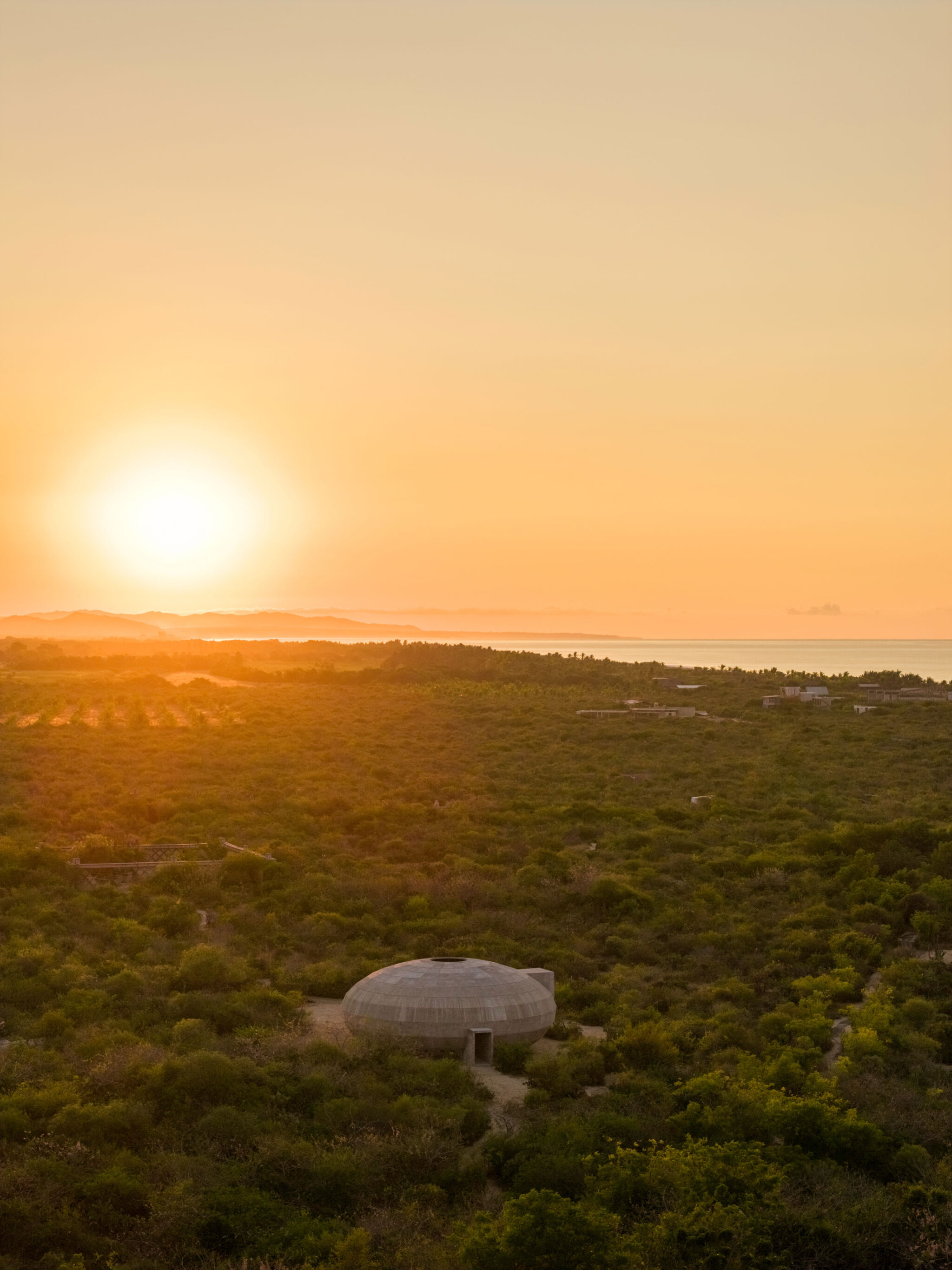
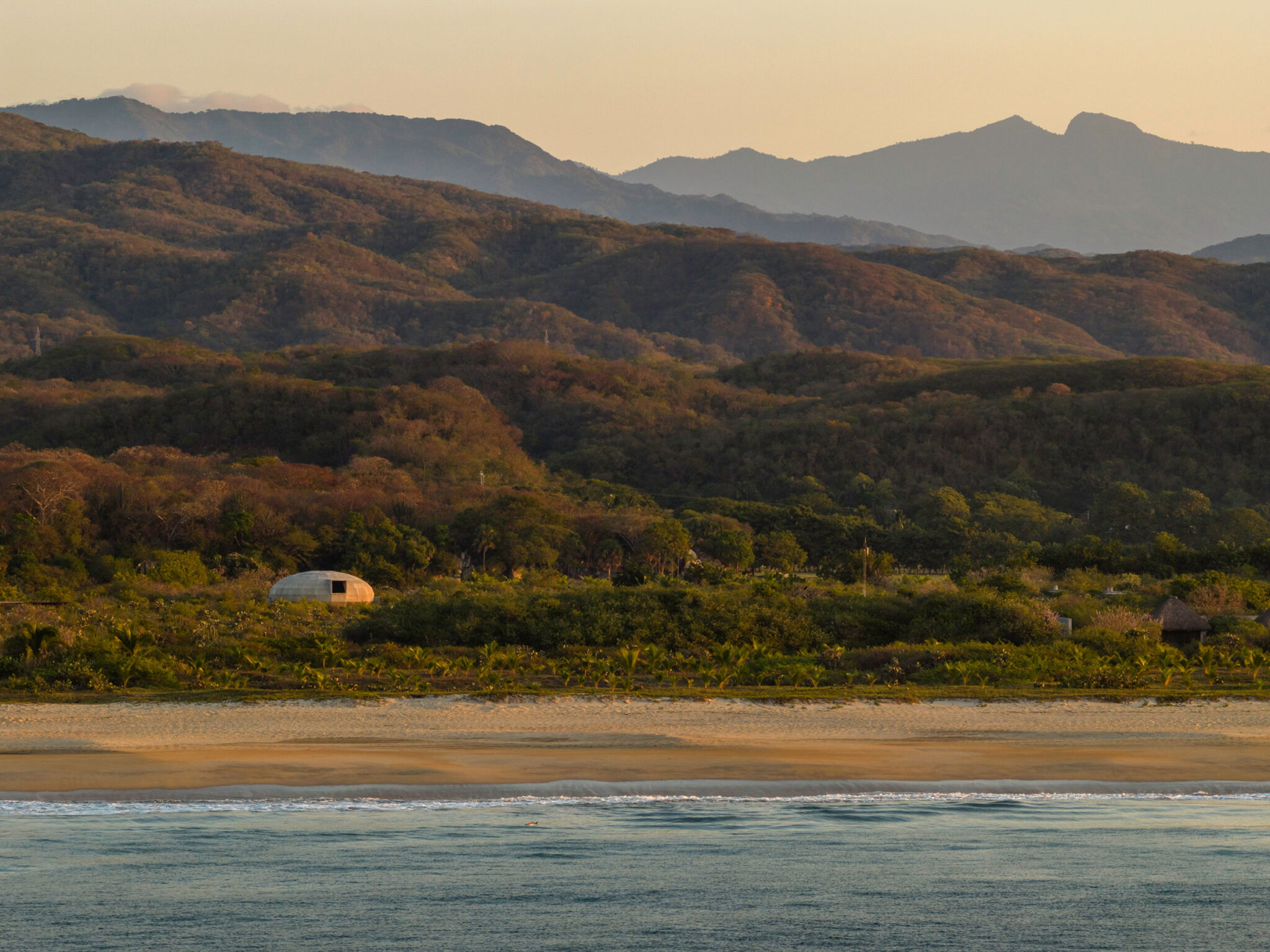
マッシュルーム・パビリオンは現在、メキシコ人アーティストのボスコ・ソディ(Bosco Sodi)によって設立された芸術およびコミュニティ施設のキャンパスに加わる形で、カーサ・ワビ財団にオープンしています。このプロジェクトは、OMAにとってメキシコで初めて実現した建築作品となります。山々とオアハカの海岸の間にある財団の広大な65エーカーの自然景観の中に位置するマッシュルーム・パヴィリオンは、キノコを栽培するための空間であると同時に、食、アート、自然、そして地域コミュニティのあいだの交流を促す場でもあります。
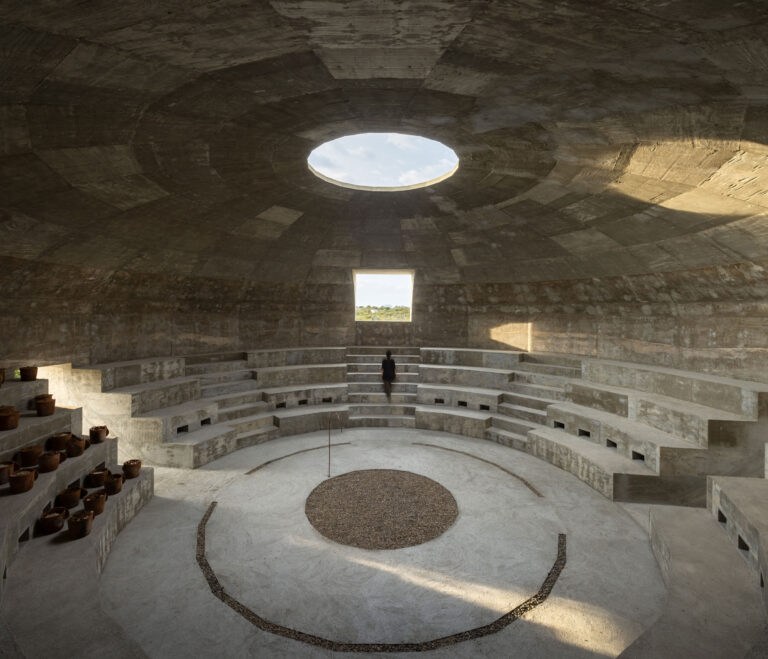
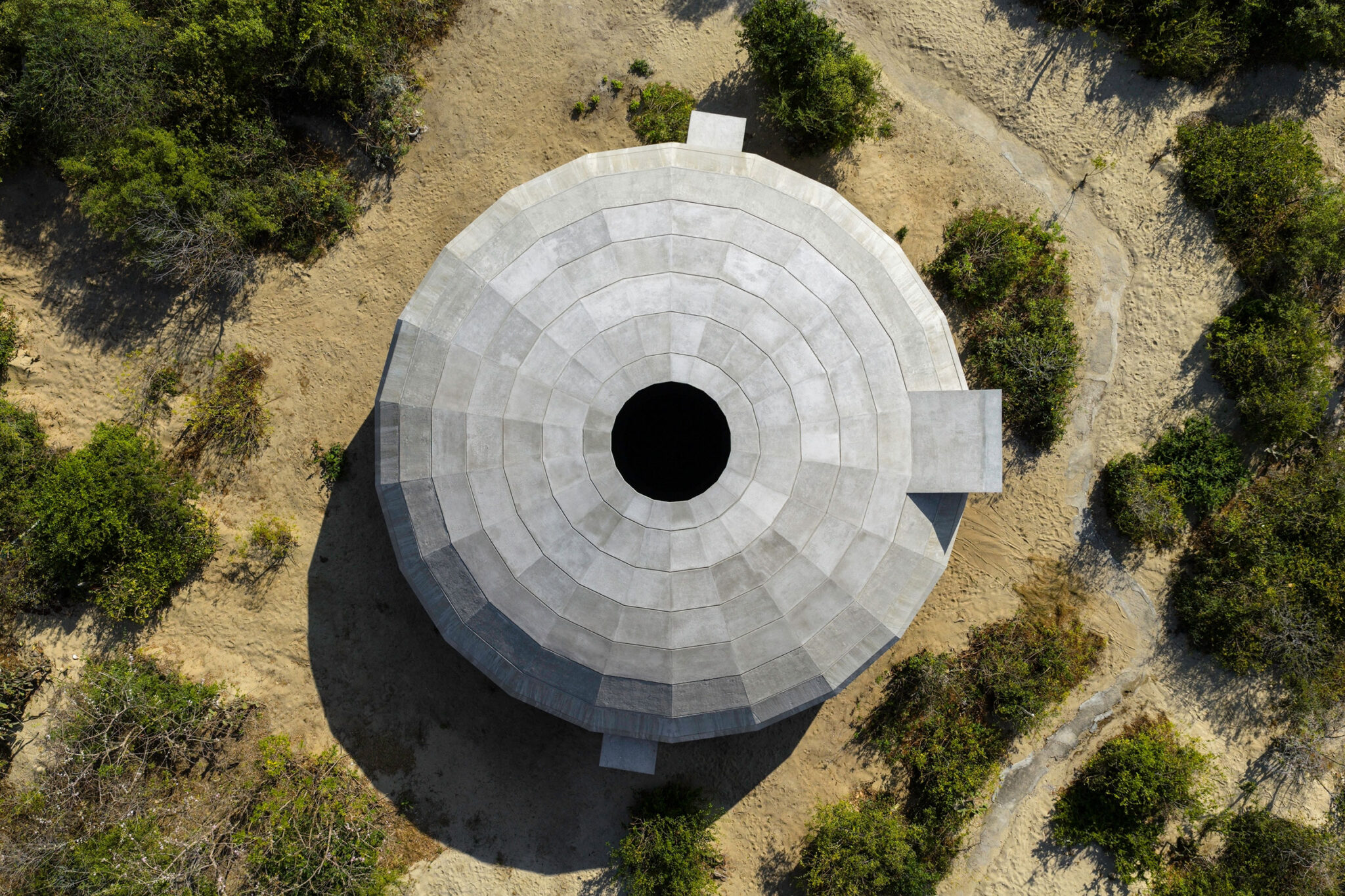
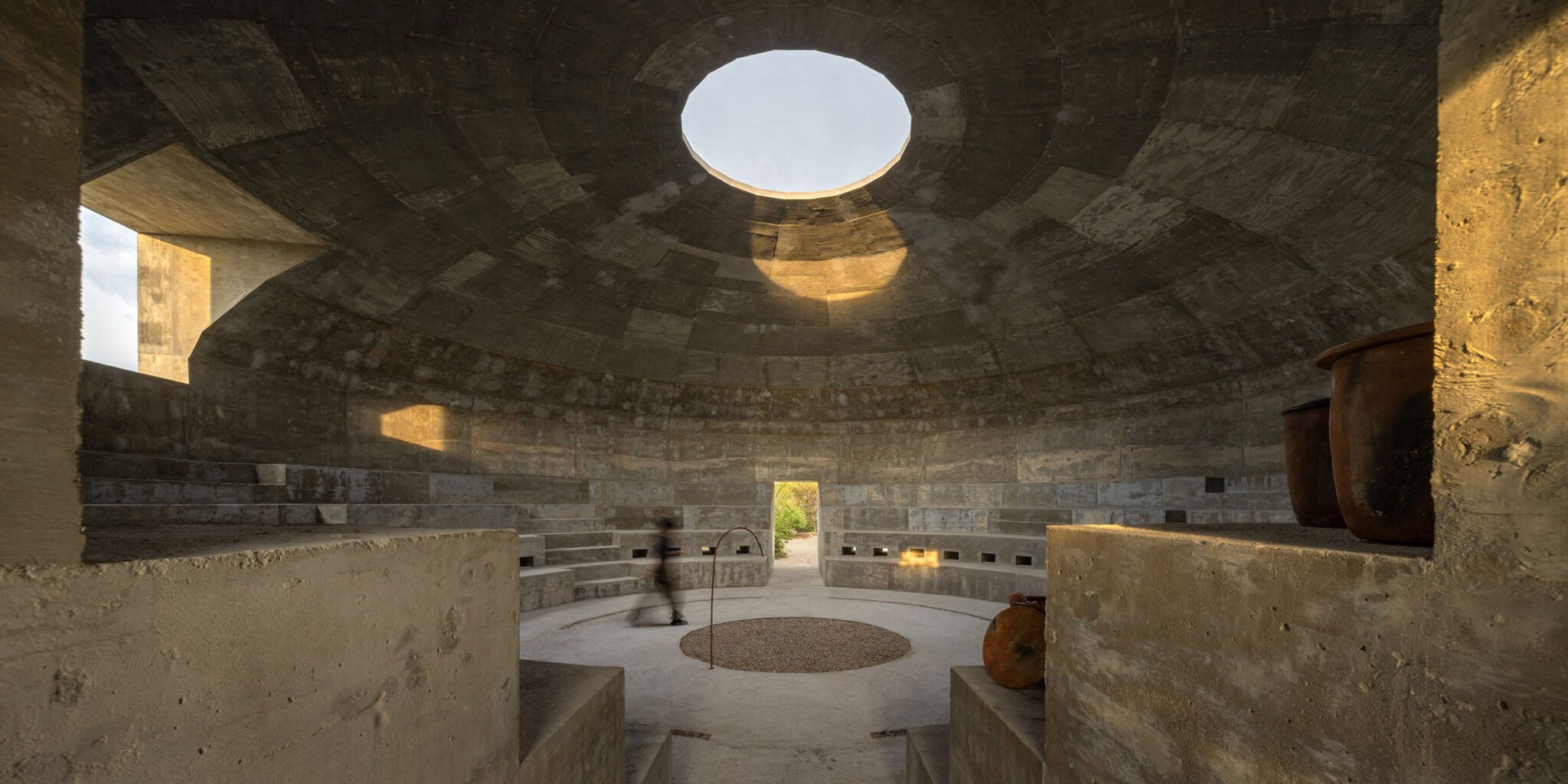
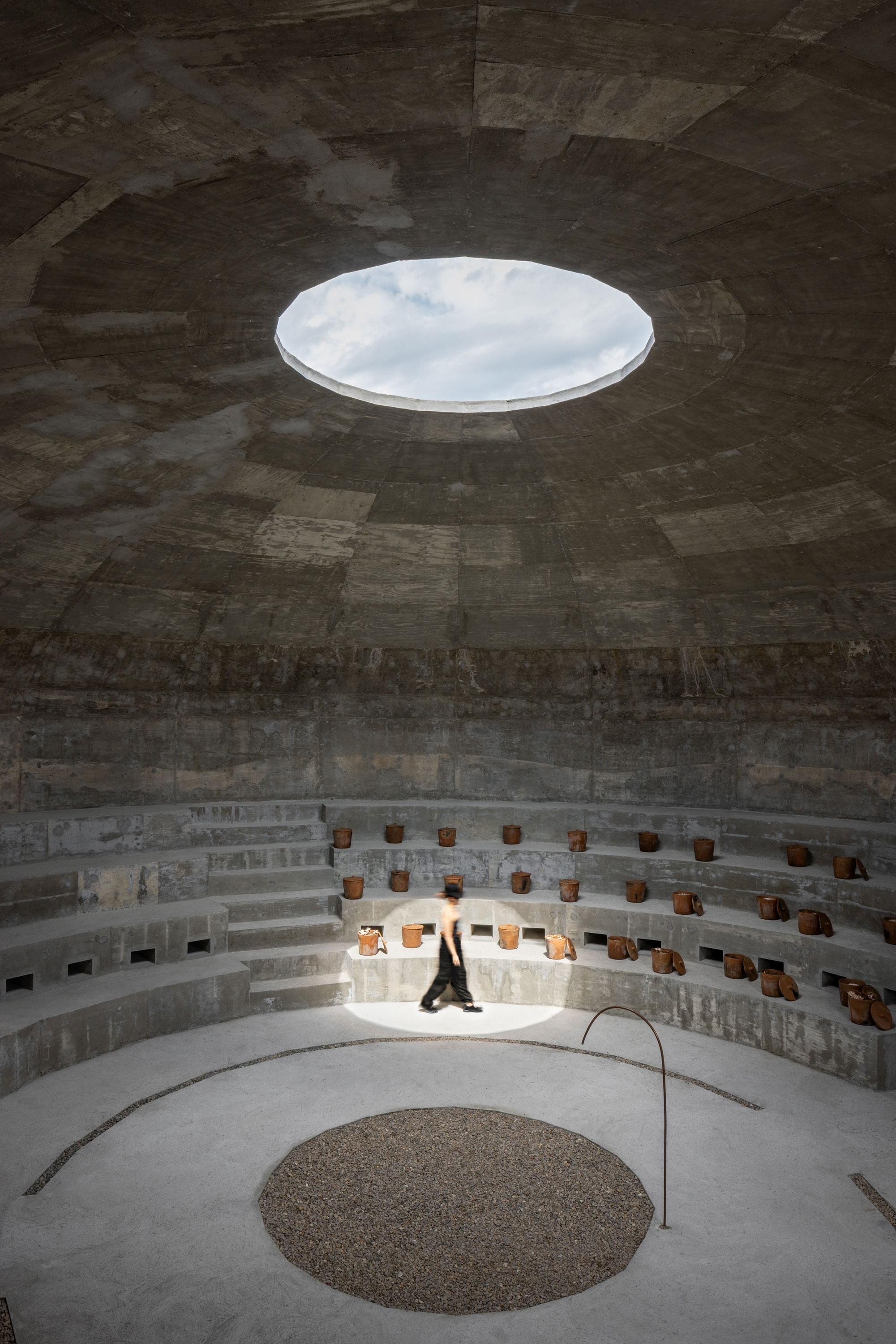
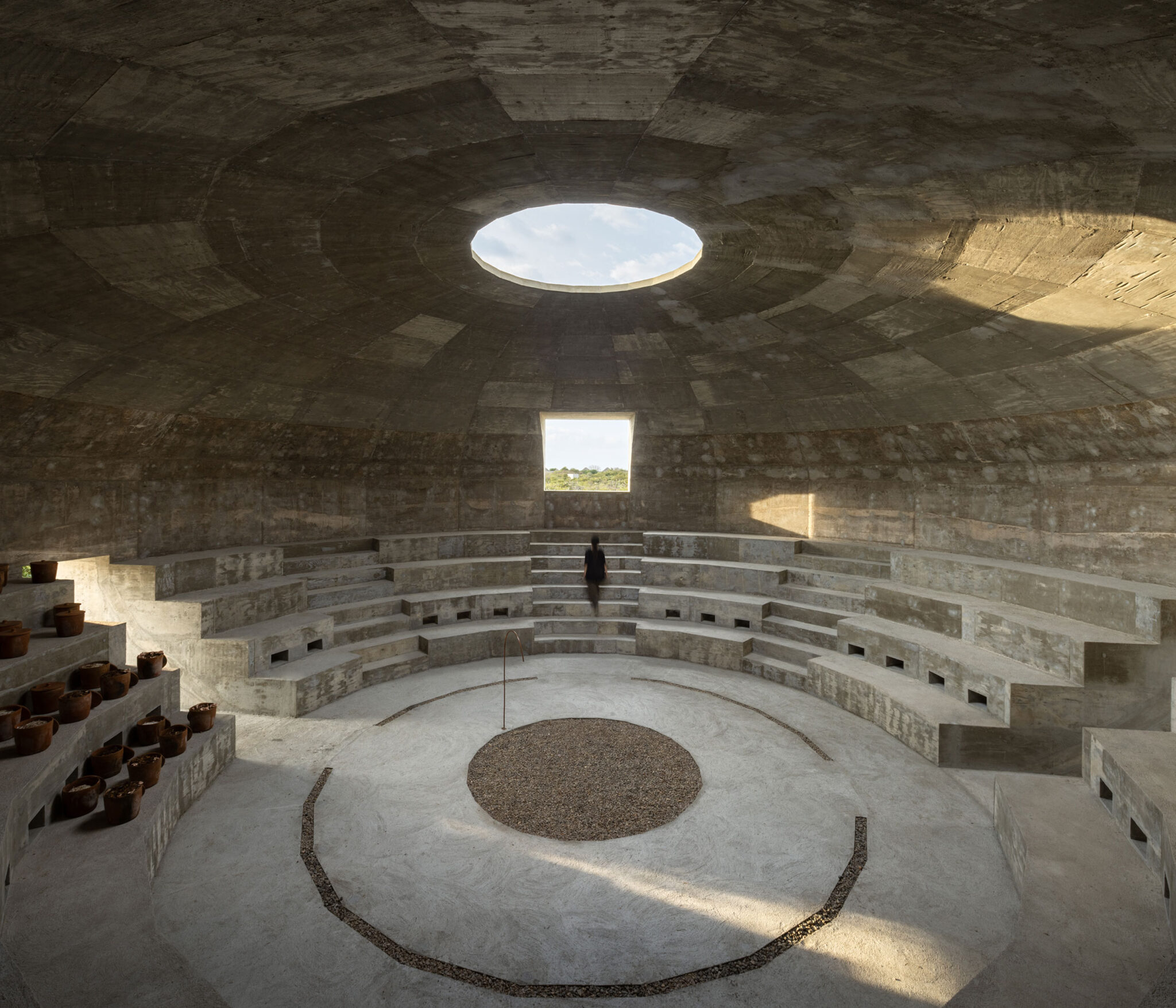
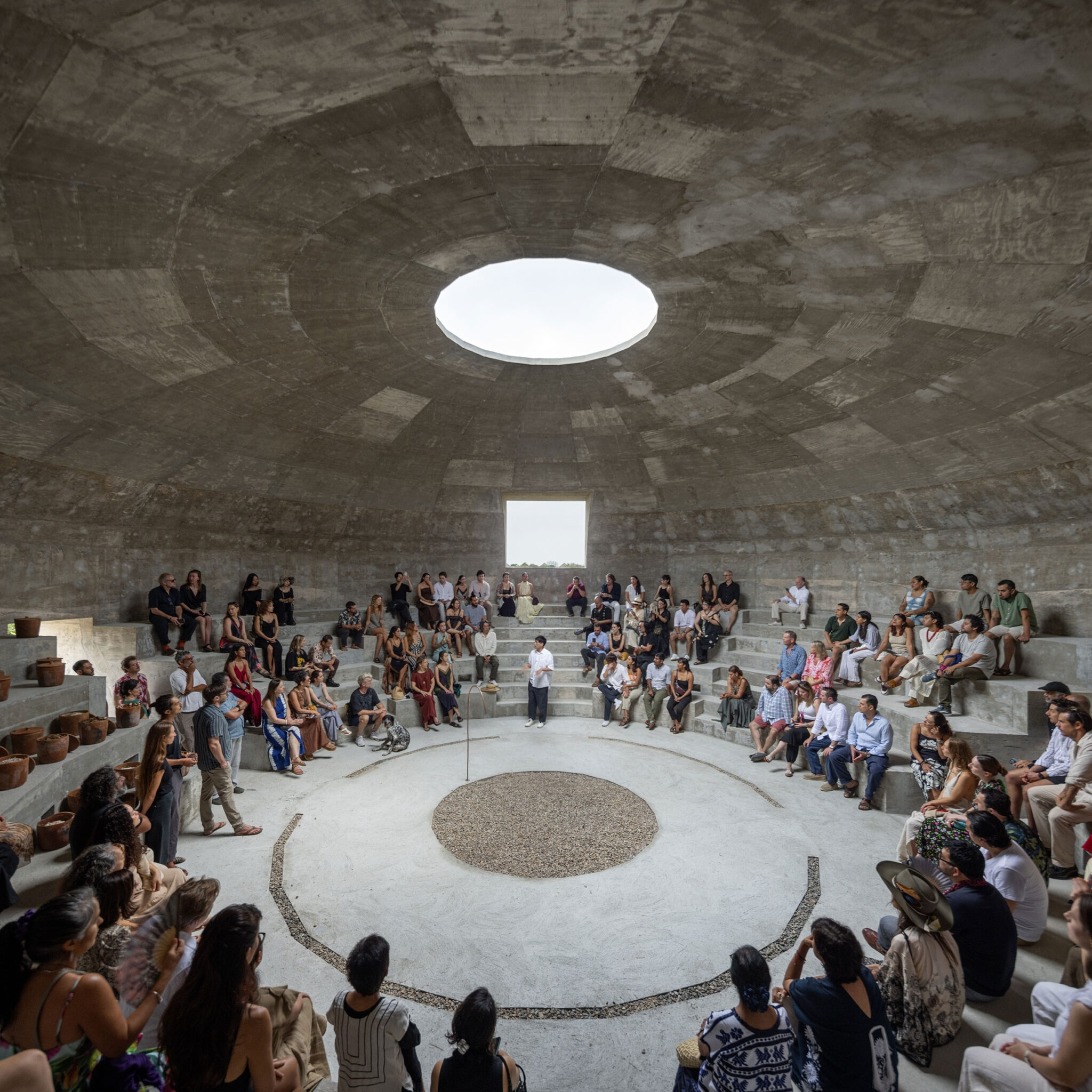
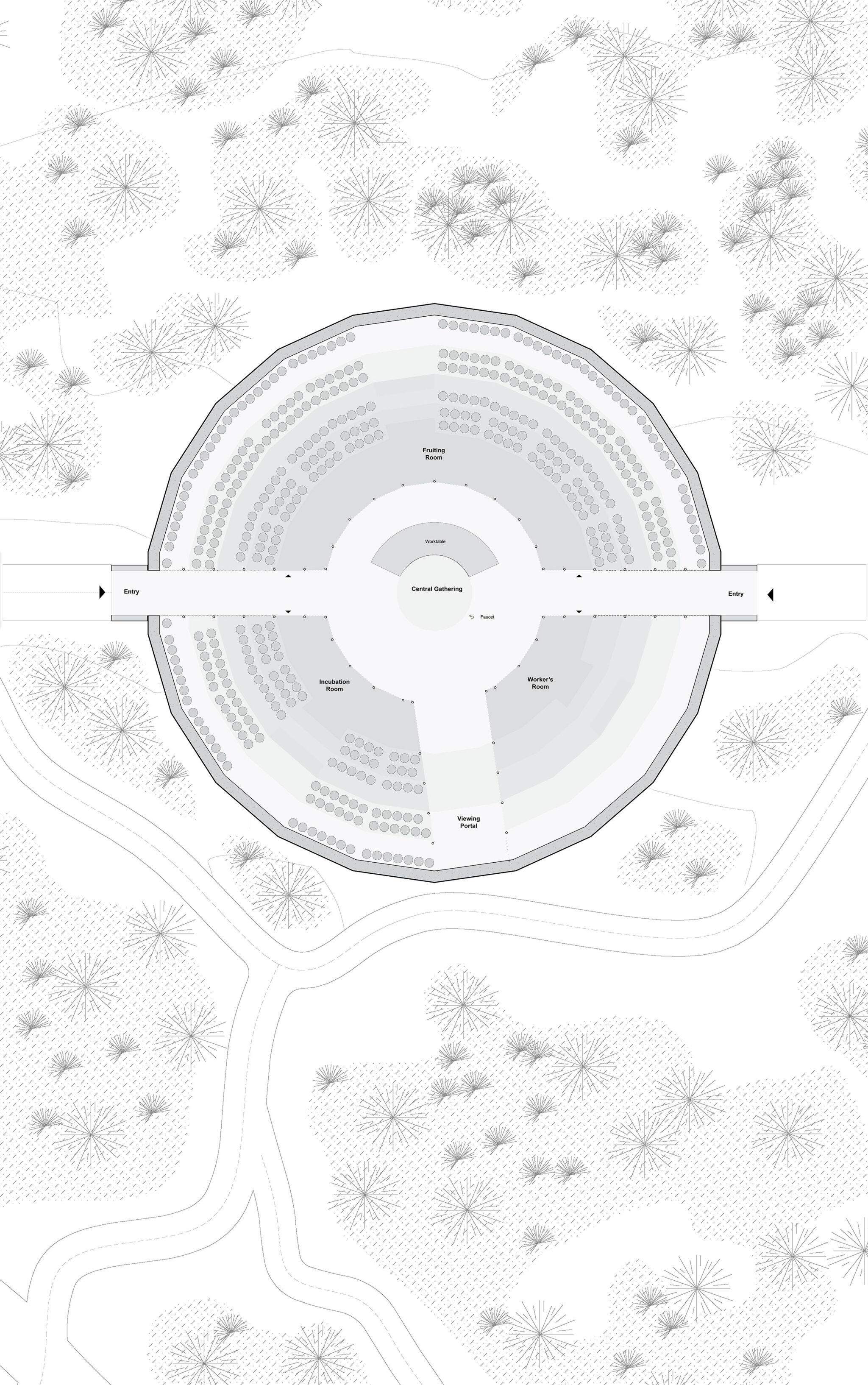
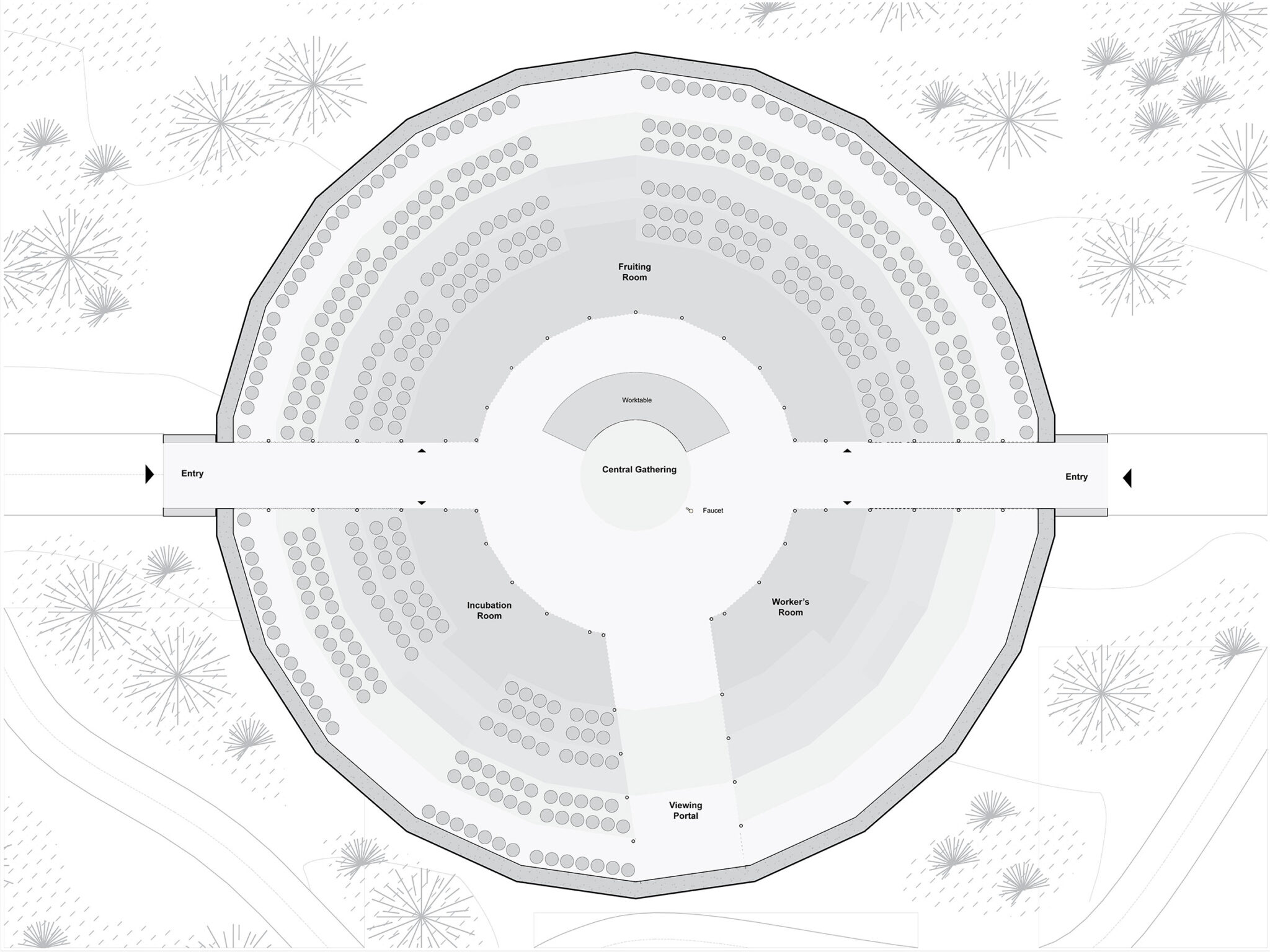
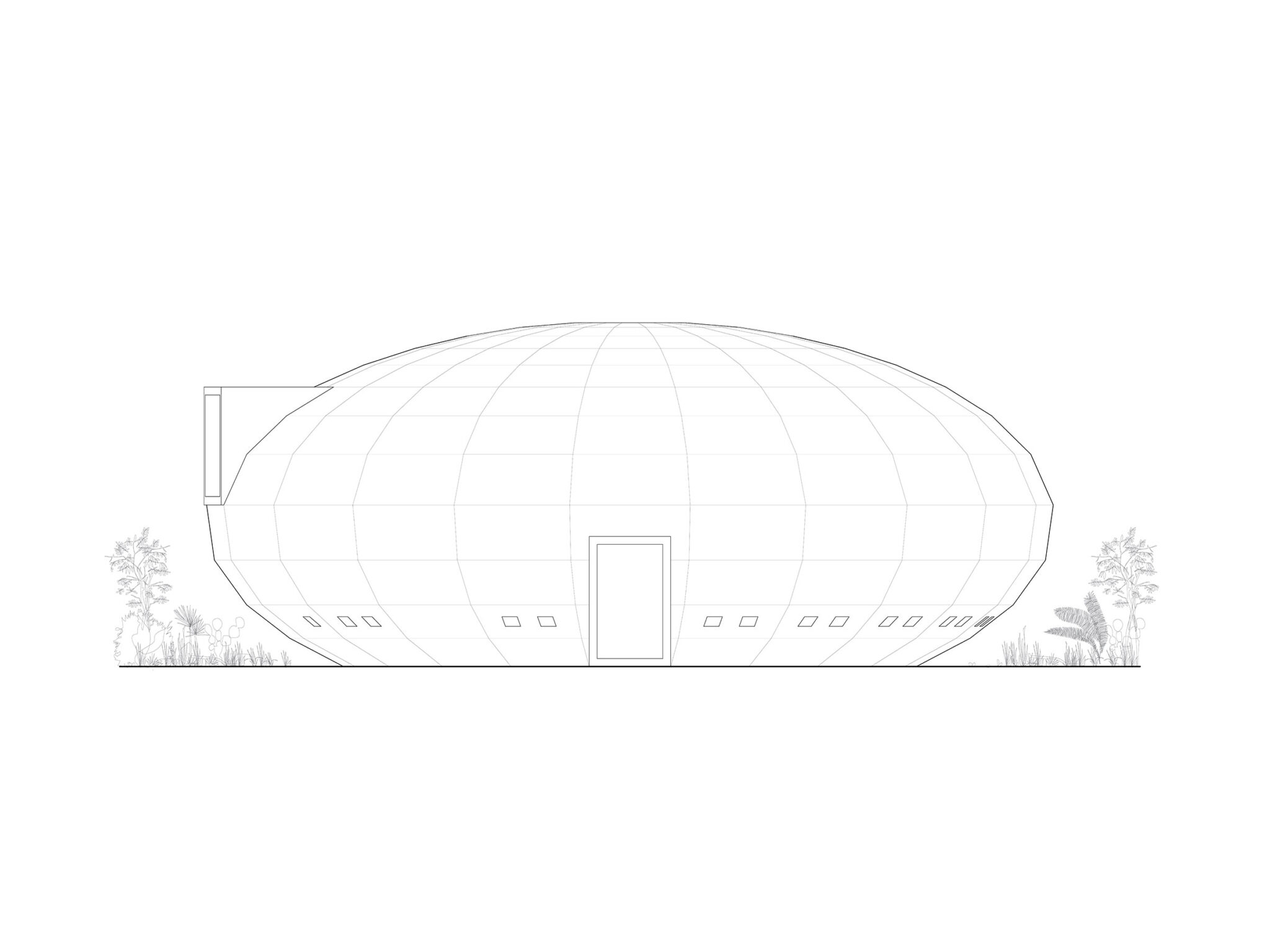
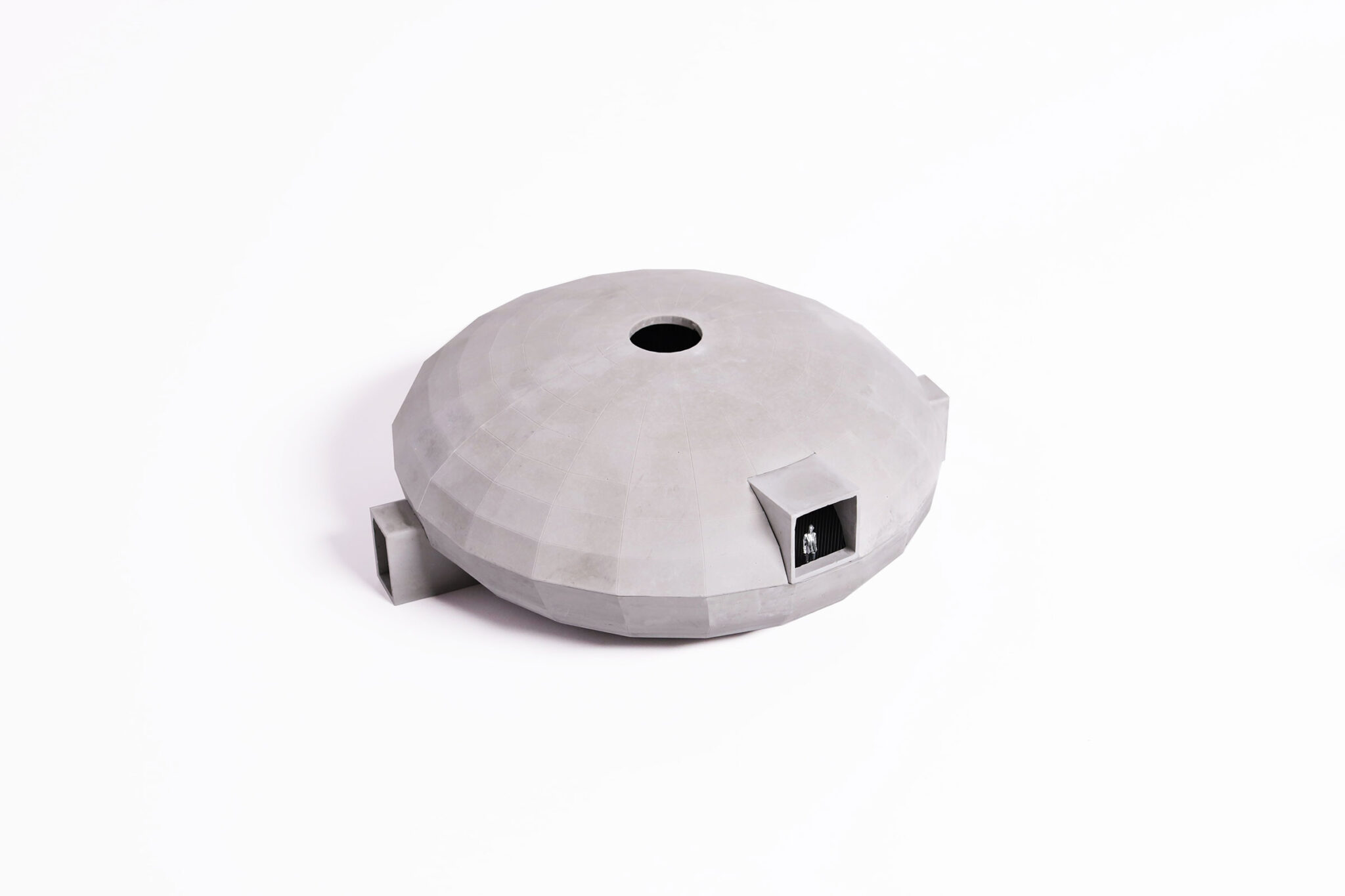
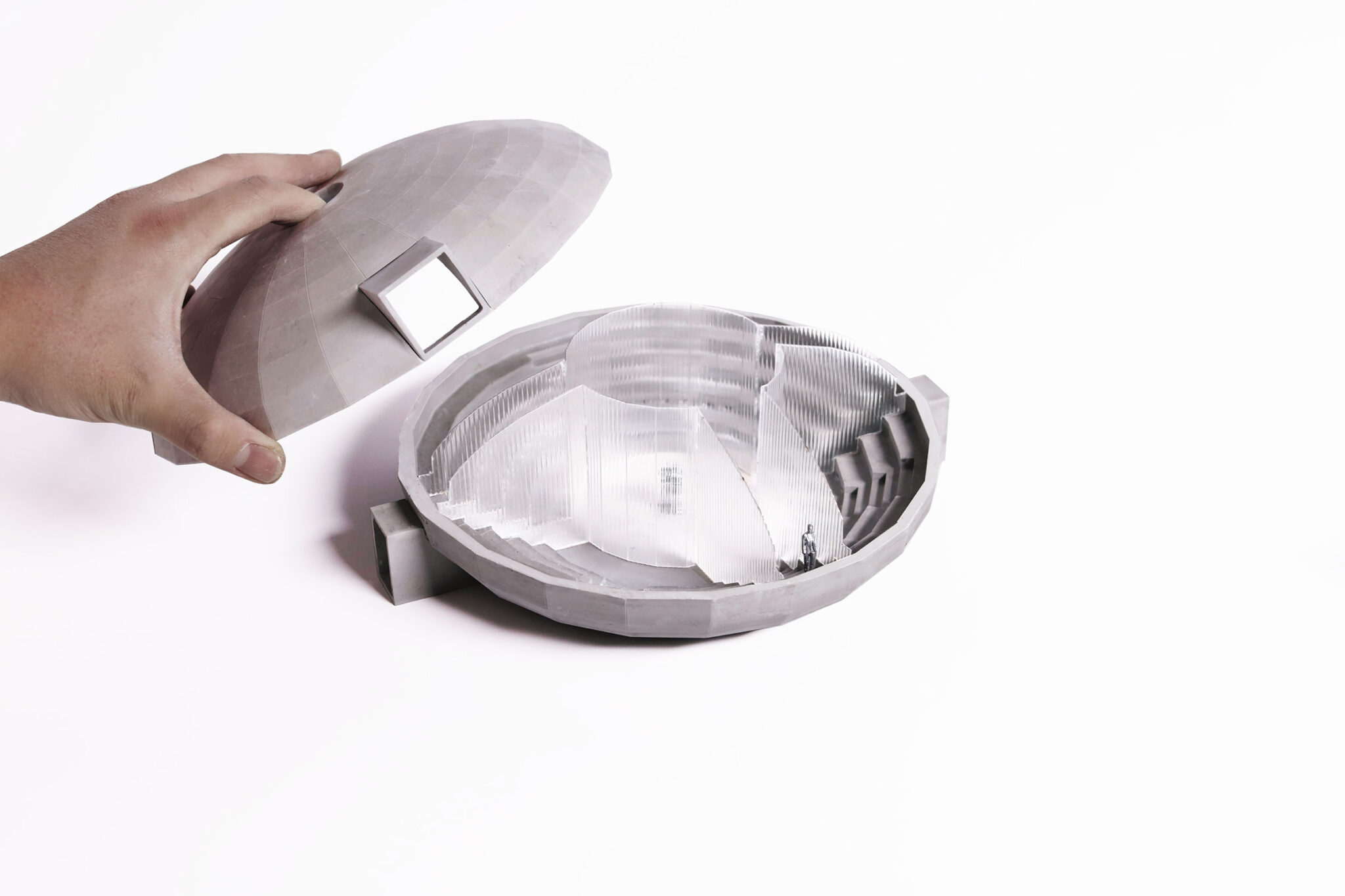
そのシンプルでありながら重要な機能を示すように、このパヴィリオンは、キノコ栽培のための内部構成を最適化するように作られた、基本的な楕円体の形状をしています。内部では、ドーム状の空間が3つの部屋に分けられます。フルーティングルーム、インキュベーションルーム、そしてストレージです。それらは、パヴィリオンの中心にある集いの空間を取り囲むように配置されています。ボウル状の下半分は、円形劇場のように段状になっており、地元の職人によって作られた手作りのテラコッタ製キノコポットの棚となっています。この段状の構成と楕円形の形態はパノプティコンのような視覚体験を生み出し、キノコの栽培プロセス全体を見渡せるようにしています。
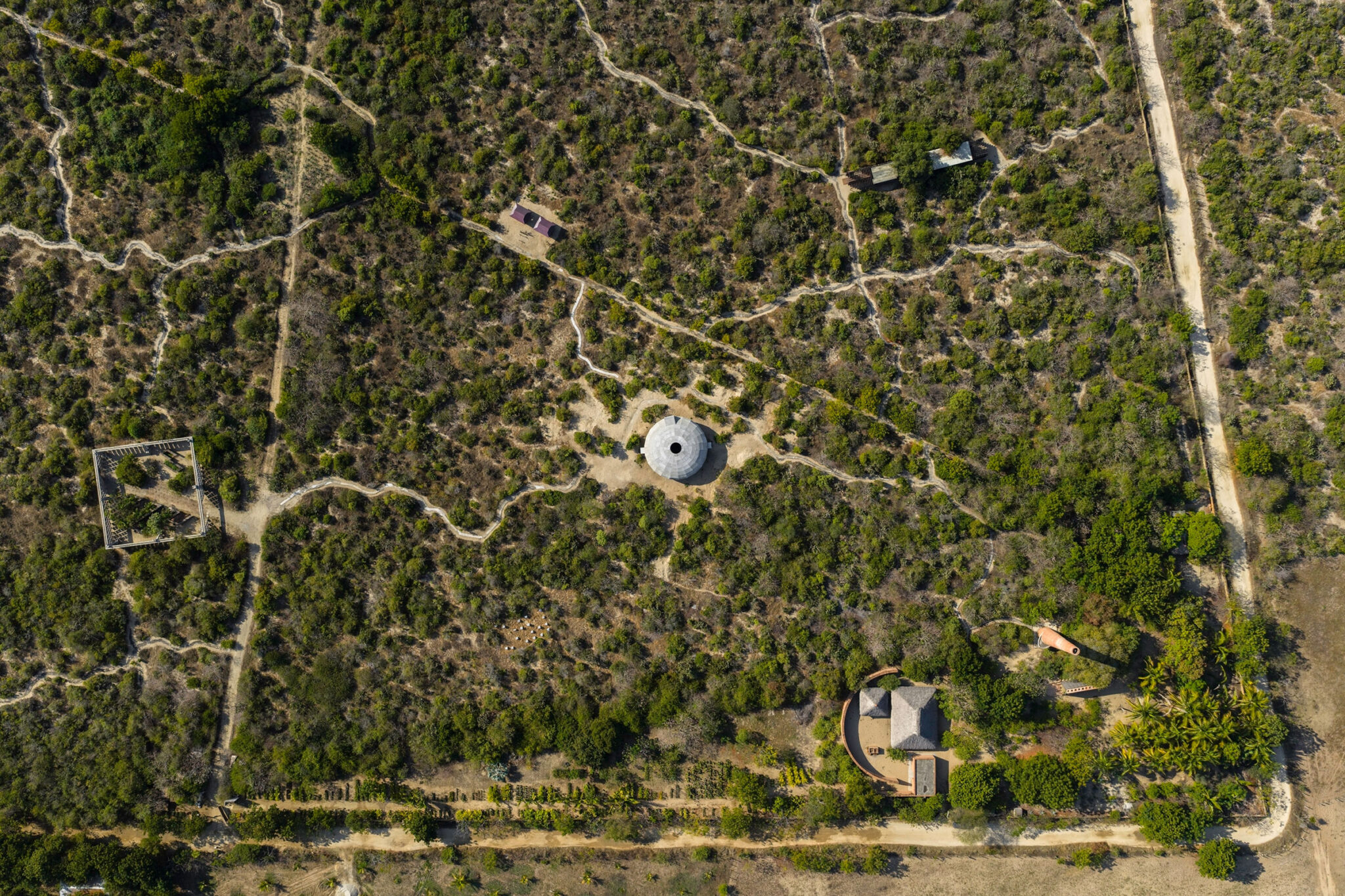
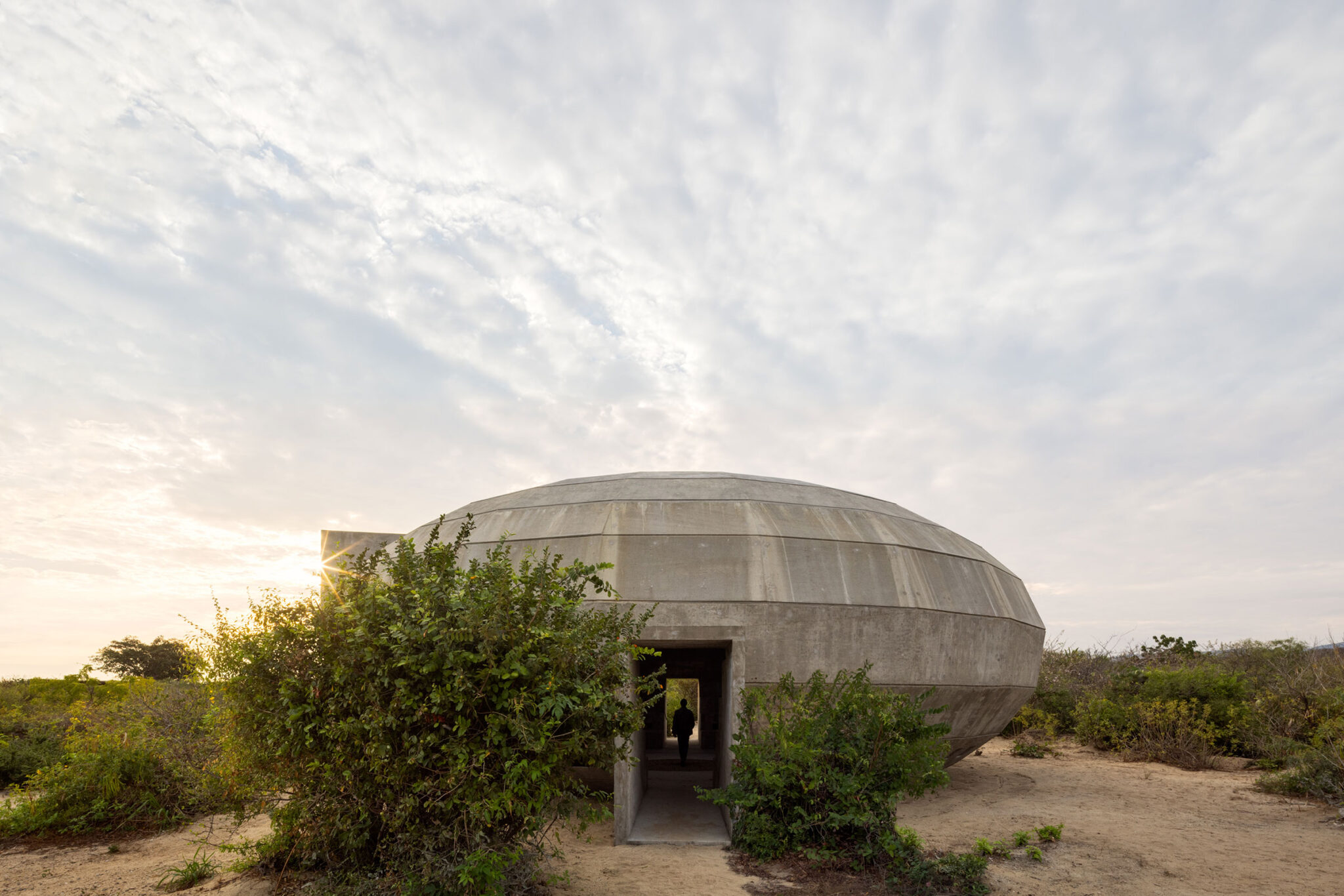
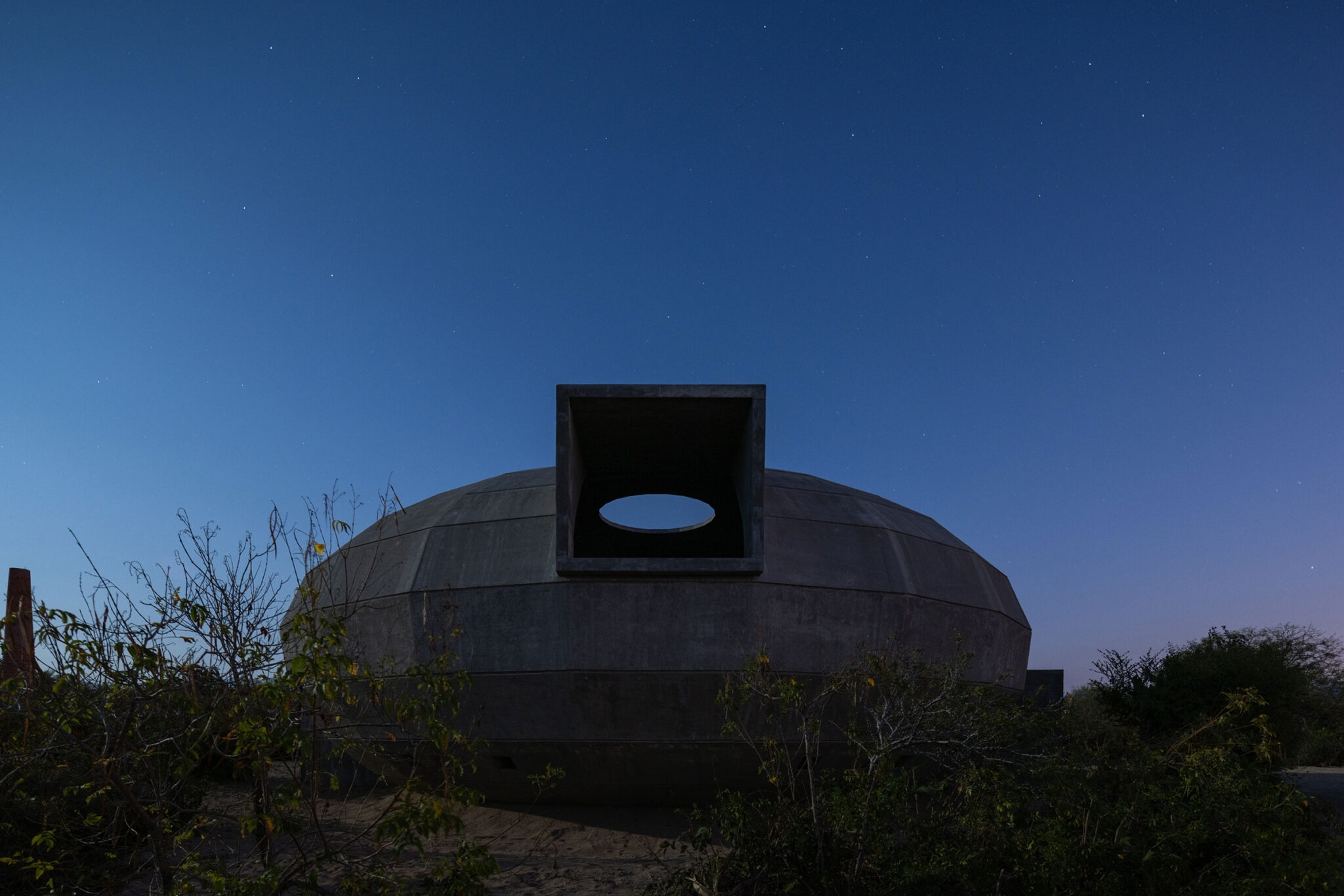
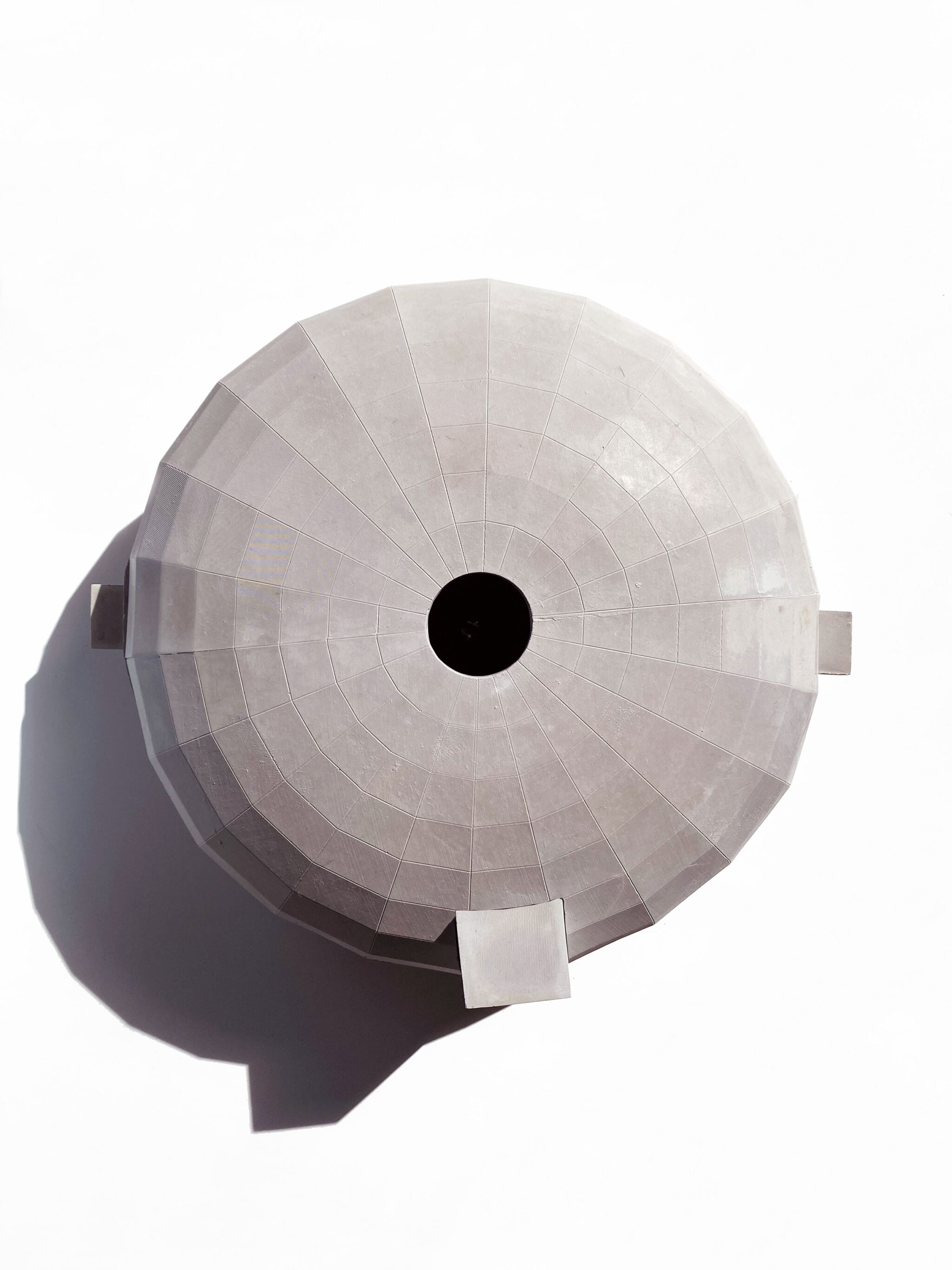
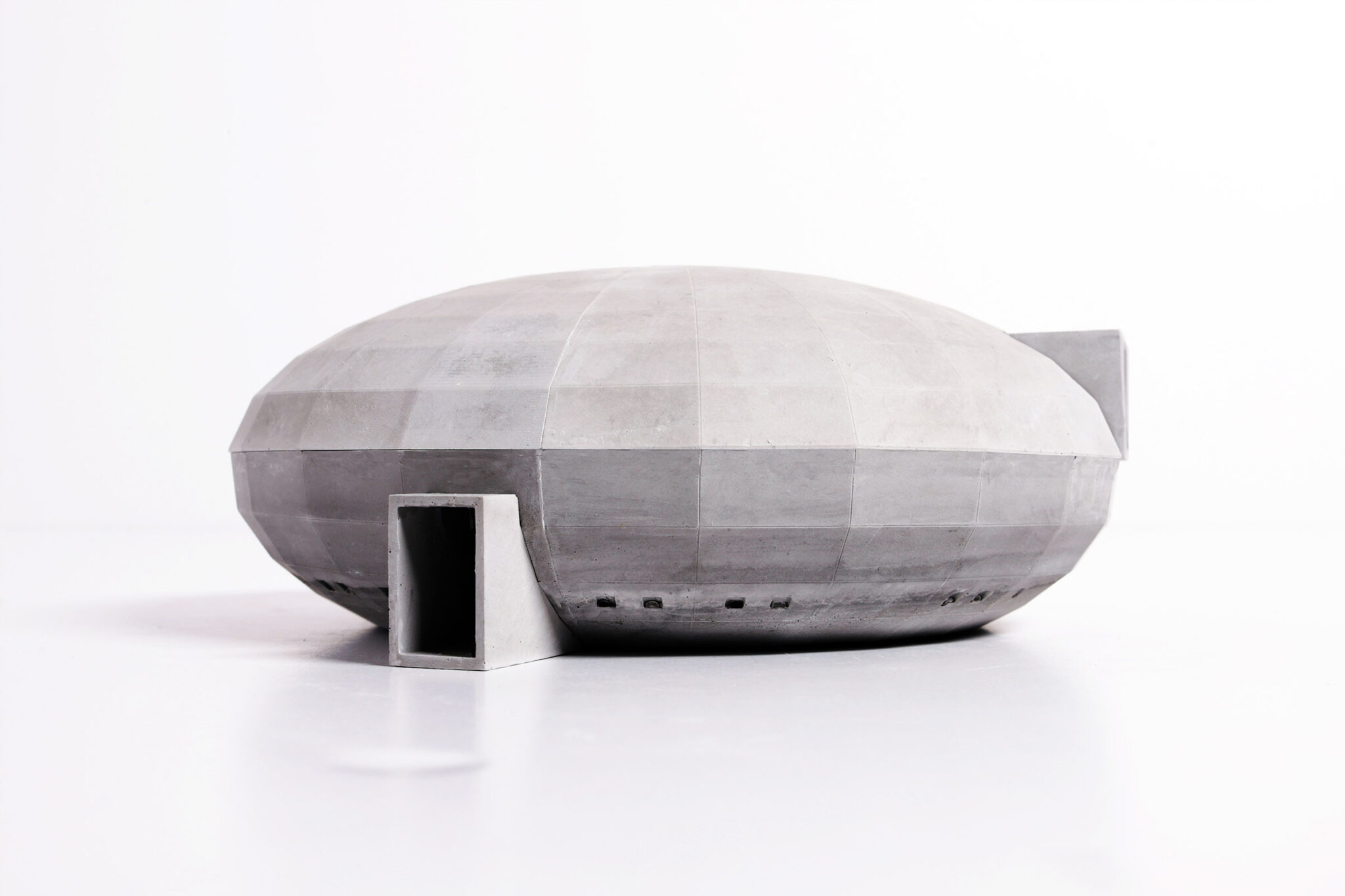
円形開口が中央の空間を空へと開き、洞窟のような内部に光を満たします。一方で、下部の周囲に設けられた追加の開口部が自然換気を可能にしています。段の最上部に設けられたプラットフォームとポータルからは、自然の低木の上方を越えて海まで見渡すことができます。この三次元的なヴォリュームは基部で内側にカーブしており、パヴィリオンが地面に接する部分を最小限にしています。これにより、自然の景観をできる限り保全し、在来種であるグアヤカンが生育できるようにしています。
このコンクリートのシェルはコテ仕上げの現場打ちコンクリートで構成されており、敷地の鉄分を多く含む水を保持するために、外側には麻布の型押しが施されています。自然の要素に委ねることで、このパヴィリオンは時間とともに錆び、外観が変化していきます。
OMAパートナーの重松象平は述べています。
「ボスコ・ソディ(Bosco Sodi)およびカーサ・ワビ財団(Fundacion Casa Wabi)と協働しながら、私たちはキノコ栽培という非常に特定の機能のためのパヴィリオンを構想すると同時に、人々が集うための空間も提供しています。その結果、食とコミュニティのインキュベーターとなり、地域の人々、訪問者、そして財団のあらゆる活動を支えるのに空間的に適した場となっています。日本人建築家として、日本の哲学と空間的伝統に導かれたアートキャンパスに貢献できたことは、特に意義深いことでした」
このプロジェクトは、重松象平およびプロジェクトアーキテクトのシャリー・タウィル(Shary Tawil)とキャロライン・コーベット(Caroline Corbett)によって主導されました。
以下の写真はクリックで拡大します
以下、リリーステキストです。
Mushroom Pavilion by OMA / Shohei Shigematsu Opens at Casa Wabi in Puerto Escondido
March 4, 2026 – Puerto Escondido, MX – The Mushroom Pavilion is now open at Fundacion Casa Wabi, joining the campus of art and community facilities founded by Mexican artist Bosco Sodi. The project marks OMA’s first built work in Mexico. Located in the foundation’s sprawling, 65-acres of natural landscape between the mountains and Oaxacan coast, the Mushroom Pavilion is a space for cultivating mushrooms while fostering exchange between food, art, nature, and local communities.
Conveying its simple yet important function, the pavilion is a basic, ellipsoidal form created to optimize interior organization for growing mushrooms. Within, the domed interior can be divided into three chambers – fruiting room, incubation room, and storage – encircling a gathering space at the heart of the pavilion. The lower half of the bowl is stepped, like an amphitheater in the round, to make shelves for handmade terra cotta mushroom pots crafted by local artisans. The stepping and elliptical form create a panopticon viewing experience, rendering the mushroom growing process visible in its entirety.
An oculus opens the central space to the sky and fills the cave-like interior with light, while additional openings around the lower perimeter enable natural ventilation. A platform and portal at the top of the steps offer views above and beyond the natural brush to the ocean. The three-dimensional volume curves inward at its base to minimize the pavilion’s contact on the ground, preserving the natural landscape as much as possible and allowing the native guayacan to thrive.
The concrete shell is composed of troweled and poured-in-place concrete, burlap stamped on the outside to retain the site’s high iron content water. Conceding to the natural elements, the pavilion will rust and change in appearance over time.
“Working with Bosco Sodi and Fundacion Casa Wabi, we conceived a pavilion for the very specific function of mushroom cultivation while offering a space for people to come together. The result is an incubator of both food and community that’s spatially fit to support all types of activities for the locals, visitors, and the foundation. As a Japanese architect, it was especially meaningful to contribute an art campus guided by Japanese philosophy and spatial traditions.” – Shohei Shigematsu, OMA Partner
The project was led by Shohei Shigematsu and project architects Shary Tawil and Caroline Corbett.
■建築概要
CASA WABI MUSHROOM PAVILION
Status: Completed
Client: Fundacion Casa Wabi
Location: Puerto Escondido, Oaxaca, Mexico
Site: Located within the 25-hectares site of Casa Wabi on the Pacific coast
Program: Pavilion 200 sm 2,153 sf
───
CREDITS
Partner-in-Charge: Shohei Shigematsu
Project Architects: Shary Tawil, Caroline Corbett
Team: Dylan Wei, Francesco Rosati