
鈴木理考建築都市事務所+座二郎+高橋みのり による、東京・杉並区の「オープンスカイハウス」での生活を紹介する動画です。屋根のないリビングのある住宅としても注目を集めた2019年竣工の作品です。「Never Too Small」というyoutubeチャンネルが制作して公開したものです。※youtube公式の埋込機能を使って紹介しています。
本作品は、アーキテクチャーフォトでも特集記事として紹介しています。
video archive
動画
鈴木理考+座二郎+高橋みのり による、東京・杉並区の「オープンスカイハウス」での生活を紹介する動画。屋根のないリビングのある住宅としても注目を集める
安藤忠雄が出演している動画「停滞するニッポンの今と未来を語る」。テレビ番組「賢者の選択」の為に収録され2024年2月に公開されたもの
ケン・タダシ・オオシマによる、ライトについての講演の動画。「フランク・ロイド・ライト 世界を結ぶ建築」展に合わせて2024年2月に公開されたもの
堀部安嗣が、自身の新しい作品集『堀部安嗣作品集II』を解説している動画
香山壽夫による講演「建築は、大樹のように、時と共に育つ」の動画。2023年4月に建築家会館で行われたもの
スタジオ・ムンバイのビジョイ・ジェインのドキュメンタリーフィルム「The Sense of Tuning」。ベカ&ルモワンヌの制作による約1時間40分の映像作品
永山祐子が「東急歌舞伎町タワー」を訪問して解説している動画。自身が外装と内装の一部のデザインを担当した建築
能作文徳と常山未央が、自身のTOTOギャラリー・間での展覧会「都市菌 — 複数種の網目としての建築」を解説している動画
松隈洋やケン・タダシ・オオシマも参加したシンポジウム「吉村順三の建築 ―アメリカと日本― アメリカ編」の動画。GALLERY A⁴ での吉村展に合わせて公開されたもの(2024/5/7までの限定配信)
レム・コールハース、イルマ・ボーム、ハンス・ウルリッヒ・オブリストによる鼎談「デジタル時代の緊急図書 – なぜ触感はかけがえのないものなのか?」の動画。ドイツ・ミュンヘンで2024年1月に行われたもの
宮崎浩 / プランツアソシエイツによる講演の動画。日本建設業連合会の主催で2023年10月に行われたもの
伊東豊雄へのインタビュー動画。2023年9月に行われた展覧会「伊東豊雄の挑戦 1971-1986」に合わせて収録されたもの
青木淳へのインタビュー動画。2020年に行われた「ミュージアム1940年代-1980年代」展の為に収録されたもの

青木淳へのインタビュー動画。2020年に行われた「ミュージアム1940年代-1980年代」展の為に収録されたもの青木淳(2023年11月に撮影) photo©architecturephoto
安藤忠雄による、1981年竣工の「小篠邸」の現在の様子を伝える動画。メキシコの建築家が訪問し収録して公開したもの
OMAのエレン・ヴァン・ルーンによる講演「architecture for expression」の動画。自身が手掛けた“Aviva Studios”について語る内容で2023年11月に行われたもの
西沢立衛が、建築家を目指す人に向けたアドバイスを語っている動画
安藤忠雄が出演している動画「停滞するニッポンの今と未来を語る」です。テレビ番組「賢者の選択」の為に収録され2024年2月に公開されたもの。※youtube公式の埋込機能を使用して紹介しています
建築家・安藤忠雄氏が発案・設計・寄贈し2020年7月にオープンした「こども本の森 中之島」。1万8000冊の蔵書に加えて、沢山の仕掛けや、何もない薄暗い空間など、安藤建築ならではの遊び心ある空間が、子供たちの想像力を掻き立てる。この場所で「パブリックの感覚と目標を持った子供をつくらねば」と語る安藤氏のニッポンの未来や、こどもに込めた想いとは。そして安藤氏にとって「建築」とは?
ケン・タダシ・オオシマによる、ライトについての講演の動画です。パナソニック汐留美術館での「フランク・ロイド・ライト 世界を結ぶ建築」展に合わせて2024年2月に公開されたものです。2024年2月26日までの期間限定公開です。
フランク・ロイド・ライトはグローバル・アーキテクトの先駆です。「開館20周年記念展/帝国ホテル二代目本館100周年 フランク・ロイド・ライト 世界を結ぶ建築」では、ライトの初期の集大成である「帝国ホテル」を起点としながら、さらにその後拡張していく彼のデザイン思想をたどります。近年の学術調査の成果を踏まえ、本展の監修者が展覧会の見どころを解説いたします。言語は英語、逐次通訳つき。
講師 ケン・タダシ・オオシマ氏(本展企画監修者、ワシントン大学建築学部教授)
講義分数 約90分
動画公開日時 2月19日(月)午前10時〜2月26日(月)午前10時まで
堀部安嗣が、自身の新しい作品集『堀部安嗣作品集II』を解説している動画です。こちらの書籍はamazonで予約受付中です(2024年2月26日発売)。
2024年2月26日に堀部安嗣の作品集Vol.2が発売となります。
堀部が完成したばかりの作品集を手に、見どころを語りました。こだわりのつまった素敵な作品集になりました。
書店などで見かけた際はぜひお手にとって頂けますと幸いです。
香山壽夫による講演「建築は、大樹のように、時と共に育つ」の動画です。2023年4月に建築家会館で行われたものです。
2023年4月25日に東京・神宮前の建築家会館JIA館建築家クラブにて行われた、市民・建築NET発足会での香山壽夫(東京大学名誉教授)の講演「建築は、大樹のように、時と共に育つ」です。
※字幕はYouTubeの自動字幕機能を利用しておりますので、正しく変換されていない部分は随時修正していきます。ご了承のほどよろしくお願いいたします。
スタジオ・ムンバイのビジョイ・ジェインのドキュメンタリーフィルム「The Sense of Tuning」です。ベカ&ルモワンヌの制作による約1時間40分の映像作品です。
(翻訳)
「The Sense of Tuning」は、スタジオ・ムンバイの建築家ビジョイ・ジェインのポートレートであり、その場で描かれたスケッチを思わせ、動きとその瞬間の活気を捉えています。
この映画は、この人物と彼の作品を誇張して賞賛するポートレートではなく、建築家の感受性という壊れやすく貴重な素材を珍しい自発性で探求し、彼の空間の知覚がどのように育くまれているかに光を当てています。
パフォーマティヴな映画体験として構想されたこの映画は、ジャインとベカ&ルモワンの1日にわたる出会いの錬金術を捉えています。それは、ムンバイのストリートの生命エネルギーに私たちを引き込む、強烈な放浪の12時間です。スタジオでのプライベートな時間の中で作成されたビジュアルノート、非公式な都市の戦術の観察、制作現場への訪問からなるこのフィルムは、ジェインの作品がいかにムンバイの街と密接に結びついているかということを明らかにし、限りないリソースとインスピレーションを与えてくれます。この感覚的なフィルムでは、ジェスチャーが直感の言語なのです。(原文)
“The Sense of Tuning” is a portrait of the architect Bijoy Jain of Studio Mumbai, evoking a sketch made on the fly, captured in the vibrancy of movement and of the moment.
Nothing of a hagiographic portrait rigidly depicting this figure and his work, the film explores the fragile, precious material of the architect’s sensibility with rare spontaneity, shedding light on how his perception of the emotion of space is nurtured.
Conceived as a performative cinematic experience, this film captures the alchemy of a day-long encounter between Jain and Beka & Lemoine – twelve hours of intense wandering, plunging us into the vital energy of the streets of Mumbai. Comprising visual notes made in the privacy of the studio, observations of informal tactics of the city and visits to production sites, the film reveals how closely Jain’s work is tied to the city of Mumbai, providing endless resources and inspiration. In this sensory film, gestures are the language of intuition.
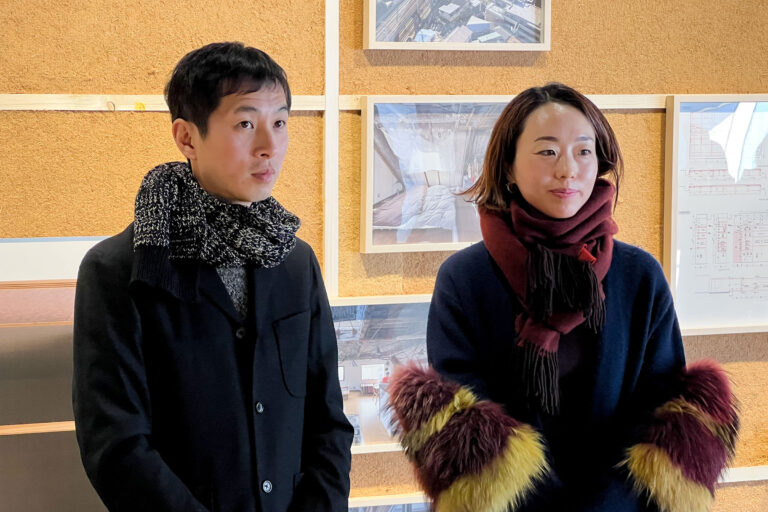
能作文徳と常山未央が、自身のTOTOギャラリー・間での展覧会「都市菌 — 複数種の網目としての建築」を解説している動画です。アーキテクチャーフォトでは、この展覧会を特集記事として詳細に紹介しています。
以下は、公式の展覧会概要です。
TOTOギャラリー・間では、「能作文徳+常山未央展:都市菌(としきのこ)― 複数種の網目としての建築」を開催します。
能作、常山両氏は、建築設計や論考執筆に加え、国内外の大学を拠点に、建築と都市と生態系の関係性リサーチを続けてきました。自宅兼事務所の「西大井のあな」では、鉄骨造の中古住宅に光と熱が循環する孔を開け、コンクリートで覆われた外構を自分達の手ではつり、土中改善を行うなど、エコロジカルな視点で改修しています。そこは他で得た学びを実験し、次のプロジェクトへと展開させる実践の場となっています。彼らが「URBAN WILD ECOLOGY」と呼ぶ、こうした都市の中に野生を取り戻す取り組みに加え、近年では石場建てや木組などの伝統知、藁や土壁といった土に還る素材を積極的に設計に取り入れています。
彼らは都市を、「人間の手が入った多様な生物が暮らす居住域」だと言います。課題を抱える現代の都市の一部を分解し、その養分を吸収し、菌(きのこ)のように成長する。そんな腐敗と再生の網目の結節点として建築を捉え、野生や伝統知を手に、網目に切り込みを入れつなぎ直すことにより、複数種のネットワークを構築しようとしています。
本展は、「西大井のあな」のさらなる改修案や、最新作「秋谷の木組(秋谷スマートハウス E棟)」をはじめとするプロジェクトの断面図や模型などを通じて、網目をつなぎ直すために誰もが真似できる小さな試行錯誤を共有する試みです。その先に、人新世と呼ばれる時代における建築の可能性やビジョンを感じ取っていただければ幸いです。
ケン・タダシ・オオシマ、田中厚子、シャーロット・レーモンド、ウィリアム・ウィテカー、松隈洋が参加したシンポジウム「吉村順三の建築 ―アメリカと日本― アメリカ編」の動画です。GALLERY A⁴ での吉村展に合わせて公開されたもの。2024年5月7日までの限定配信となっています。
建築家・吉村順三の眼(まなざし) ーアメリカと日本ー
シンポジウム「吉村順三の建築 ―アメリカと日本― アメリカ編」(期間限定配信)講師:ケン・タダシ・オオシマ(ワシントン大学教授)
田中厚子(建築史家)
シャーロット・レーモンド(写真家、レーモンド・ファーム・センター 共同ディレクター)
ウィリアム・ウィテカー(ペンシルベニア大学建築アーカイブ キュレーター)
松隈洋(神奈川大学教授、京都工芸繊維大学名誉教授)
進行:岡部三知代(ギャラリーエークワッド館長、主任学芸員)
配信期間:2024年2月2日(金)~5月7日(火)18:00まで
レム・コールハース、イルマ・ボーム、ハンス・ウルリッヒ・オブリストによる鼎談「デジタル時代の緊急図書 – なぜ触感はかけがえのないものなのか?(Urgent Books in the Digital Age – Why the Tactile Experience Is Irreplaceable)」の動画です。DLDというイベントの一環としてドイツ・ミュンヘンで2024年1月に行われたものです。イベントの公式ページはこちら。
宮崎浩 / プランツアソシエイツによる講演の動画です。日本建設業連合会の主催で2023年10月に行われたもの。
一般社団法人日本建設業連合会は、建築本部の事業活動の基本方針の一つに「世界に誇れる未来の建築文化の創造」を掲げ、建築を担う次世代に向けての情報発信を目的として、建築セミナーを毎年開催しています。
2023年度は、プランツアソシエイツの宮崎浩氏を講師にお迎えして、-あらためて「ものづくりの現場」から-をテーマに講演していただきました。
また、第2部では、宮崎浩氏と日建連で建築設計委員長を務める賀持剛一氏との対談を実施いたしました。
第二部の対談の動画は以下に掲載します。
伊東豊雄へのインタビュー動画です。2023年9月に芝浦工業大学豊洲キャンパスで行われた展覧会「伊東豊雄の挑戦 1971-1986」に合わせて収録されたものです。この展覧会については、アーキテクチャーフォトで特集記事として紹介しています。
2023年9月28日から10月29日に「伊東豊雄の挑戦 1971-1986」展が芝浦工業大学豊洲キャンパスで開催されました。
展覧会に際して、世界的な建築家である伊東豊雄氏に建築に対する考え方や未来の建築家となる学生への思いを伺いました。
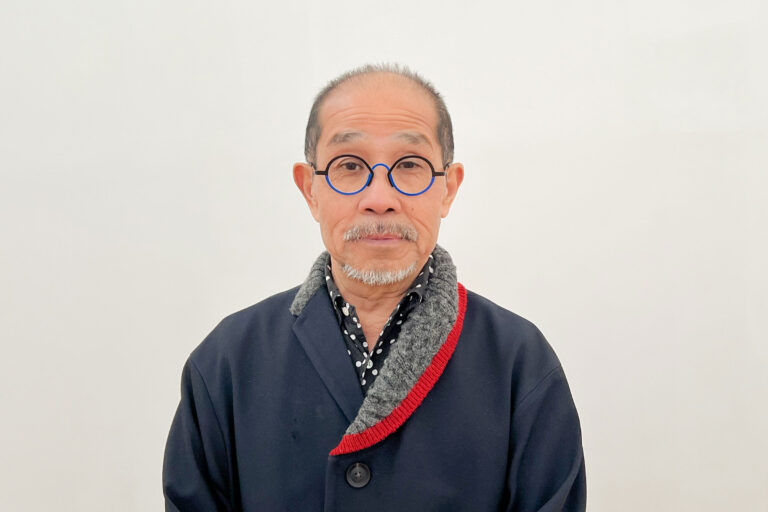

青木淳へのインタビュー動画がyoutubeに掲載されています。2020年に国立近現代建築資料館で行われた「ミュージアム1940年代-1980年代:始原からの軌跡」展の為に収録されたものです。
安藤忠雄が設計した、1981年竣工の「小篠邸」の現在の様子を伝える動画です。メキシコの建築家のCOTAPAREDES Arquitectosが訪問し収録して公開したものです。小篠邸は現在「KHギャラリー芦屋」として一般公開されています。
OMAのエレン・ヴァン・ルーンによる講演「architecture for expression」の動画です。自身が手掛けたイギリス・マンチェスターの文化施設“Aviva Studios”について語る内容で2023年11月に行われたものです。このイベント自体もAviva Studiosで行われました。アーキテクチャーフォトでは、Aviva Studiosを特集記事として紹介しています。
(翻訳)
建築家エレン・ヴァン・ルーンからAviva Studiosの創作について聞く。このファクトリーインターナショナルの新しい常設施設は、マンチェスターの中心部にある画期的な新しい文化スペースで、アート、音楽、文化のグローバルな目的地を作り出しています。これは、2023年11月29日にマンチェスターのAviva Studiosで開催されたライブイベントを収録したものです。
この建物の設計の鍵はその柔軟性にあり、新しいタイプのパフォーマンス・スペースを提供する。固定された劇場と開放的な倉庫のセッティングを掛け合わせたユニークなもので、複数の機会と無限の構成や環境を生み出すように考えられています。
街路レベルでは、デザインによってアーウェル川沿いの重要な公共スペースが作られました。建物のコンクリートと波型の金属のファサードは、周囲の改装されたレンガ造りの建物やオフィス、スタジオスペースに映え、新しいセント・ジョンズ地区を作り上げています。
(原文)
Hear from architect Ellen van Loon about the creation of Aviva Studios. This new permanent home of Factory International is the landmark new cultural space in the heart of Manchester, creating a global destination for arts, music, and culture.This is a recording of a live event held on 29 November 2023 at Aviva Studios in Manchester.
The key to the design of the building is its flexibility, offering a new type of performance space; a unique crossover between a fixed theatre and an open warehouse setting, conceived to create multiple opportunities and limitless configurations and environments.
At street level, the design has created a significant area of public space along the River Irwell. The building’s concrete and corrugated metal facades stand against the surrounding refurbished brick buildings, offices, and studio spaces that make up the new St John’s neighbourhood.
西沢立衛が、建築家を目指す人に向けたアドバイスを語っている動画です。動画の後編にはo+hの大西麻貴の講演のダイジェストも収録されています。
西沢 立衛 建築家
横浜国立大学大学院建築都市スクールY-GSA教授。1966年東京都生まれ。1990年横浜国立大学大学院修士課程修了、妹島和世建築設計事務所入所。1995年妹島和世と共にSANAA 設立。1997年西沢立衛建築設計事務所設立。主な受賞に日本建築学会賞、村野藤吾賞、藝術文化勲章オフィシエ、吉阪隆正賞、ベルリン芸術賞*、プリツカー賞*、高松宮殿下記念世界文化賞*。主な作品に、金沢21世紀美術館*、十和田市現代美術館、ROLEXラーニングセンター*、豊島美術館、軽井沢千住博美術館、ルーヴル・ランス*、済寧市美術館、ボッコーニ大学新キャンパス*、ラ・サマリテーヌ* シドニー・モダン・プロジェクト* 等。(*はSANAAとして妹島和世との共同設計及び受賞)大西 麻貴 建築家
1983年生まれ 。 2006 年 京都大学工学部建築学科卒業 。 2008 年 東京大学大学院工学系研究科建築学専攻修士課程修了 。 2008 年から大西麻貴+百田有希/o+h を共同主宰。 2016 年~京都大学非常勤講師 、 2022 年~横浜国立大学大学院 Y-GSA 教授 。シェルターインクルーシブプレイスコパル(2022年)、Good Job!Center KASHIBA(2016年)、二重螺旋の家(2011年)ほか。2019年日本建築学会作品選奨・新人賞、2018年度JIA新人賞ほか。