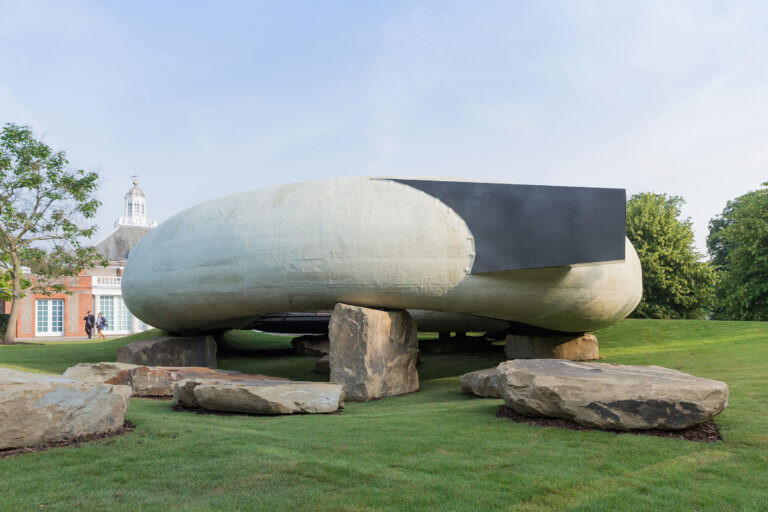
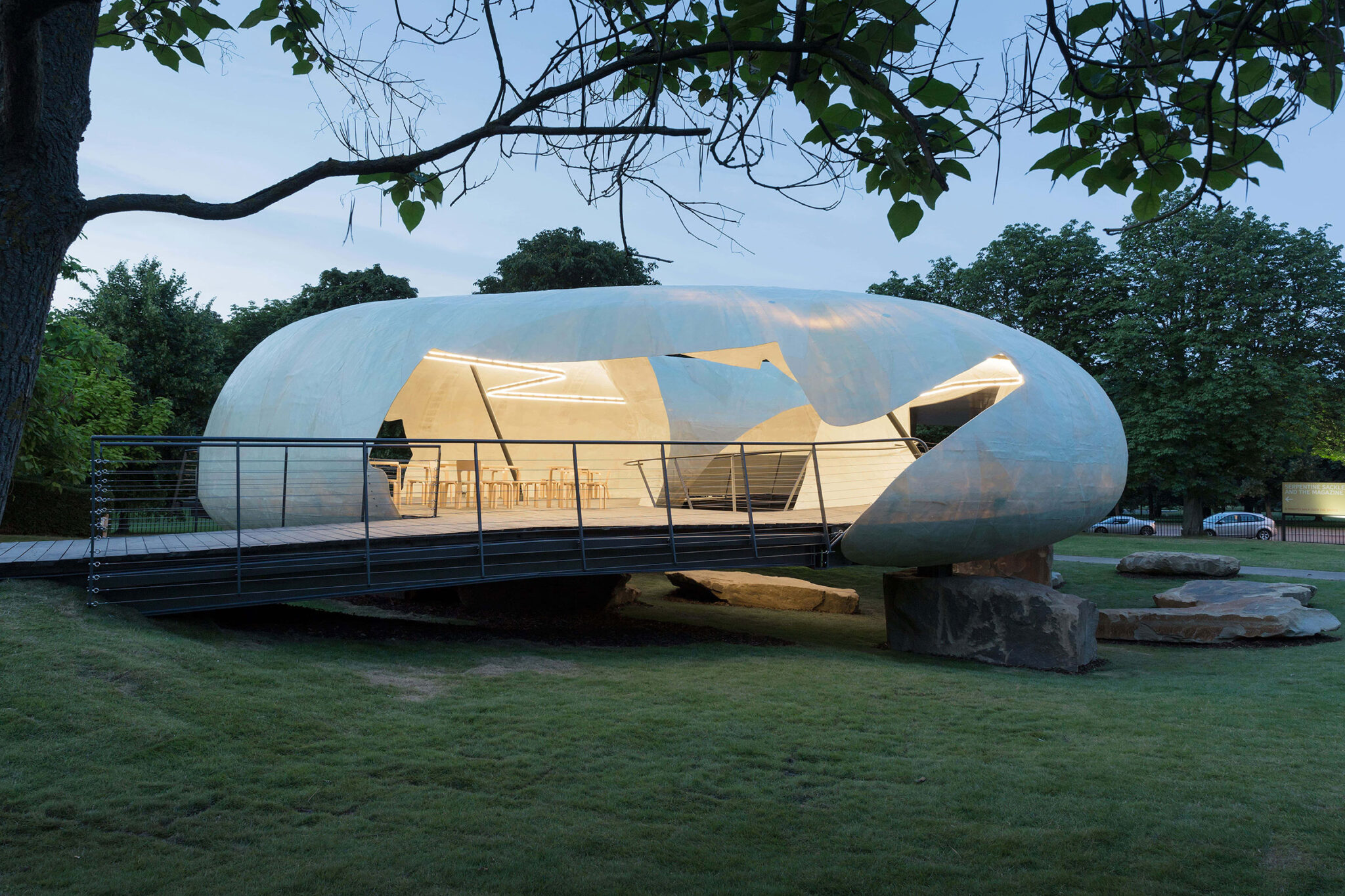
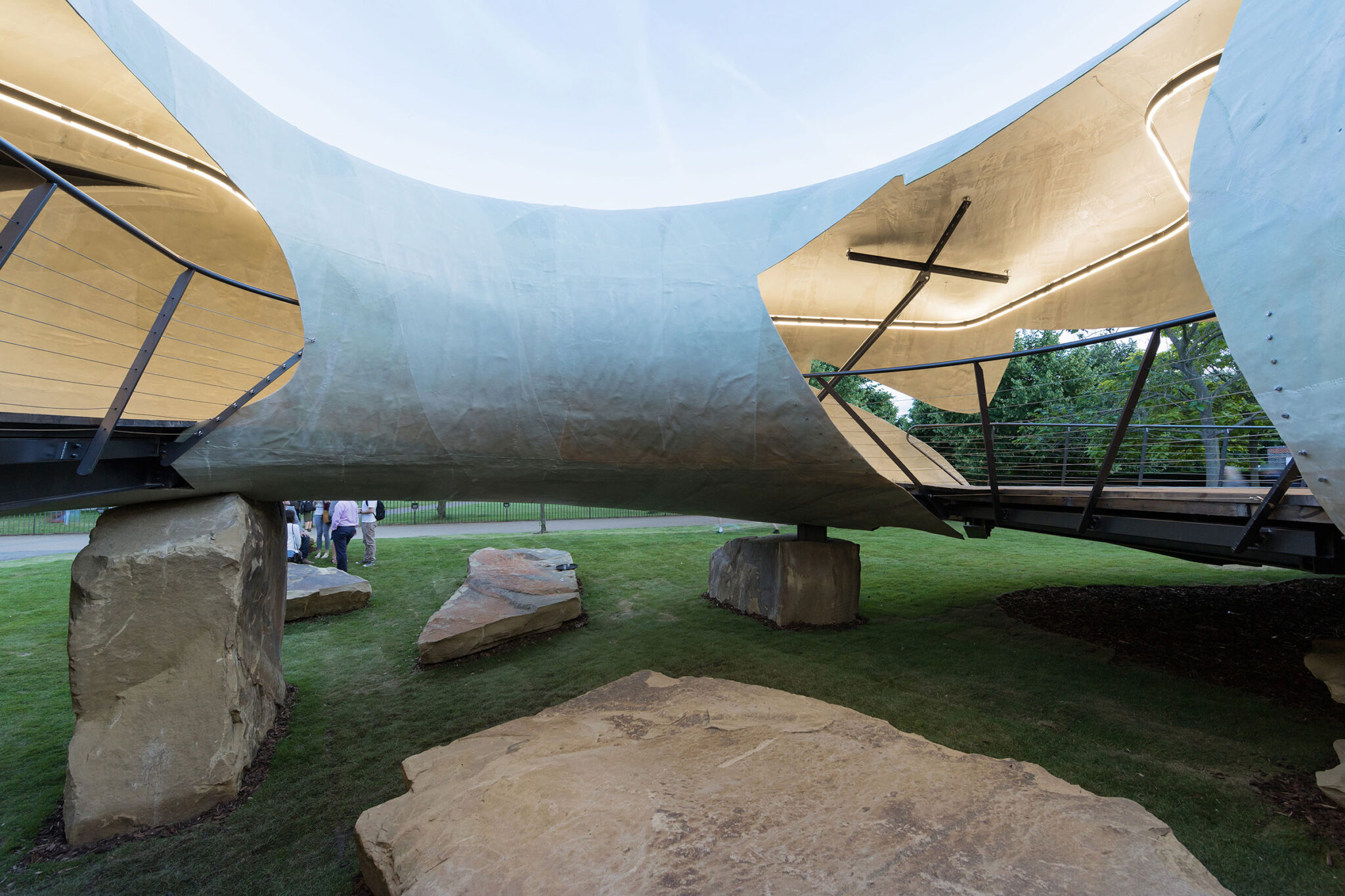
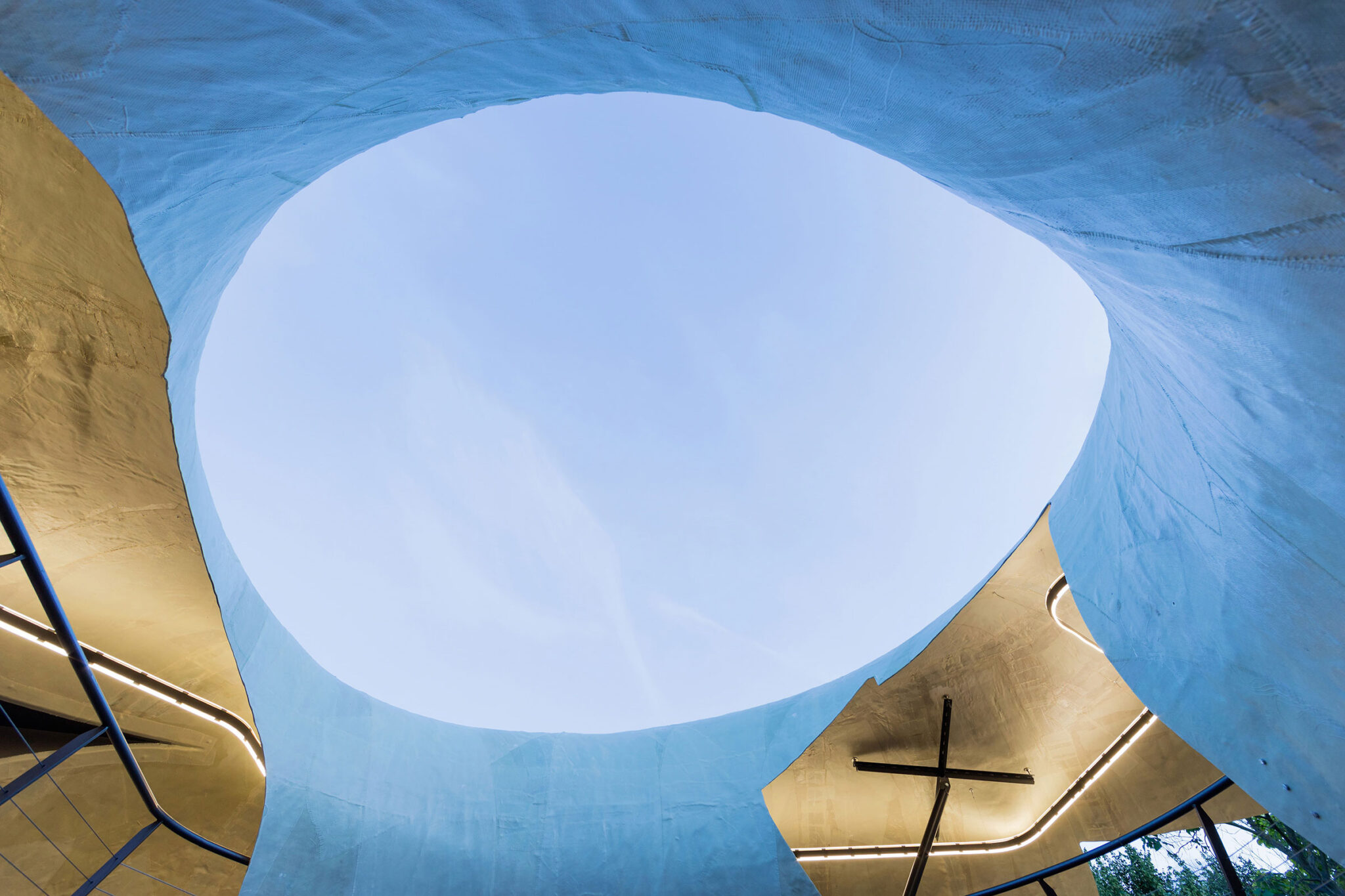
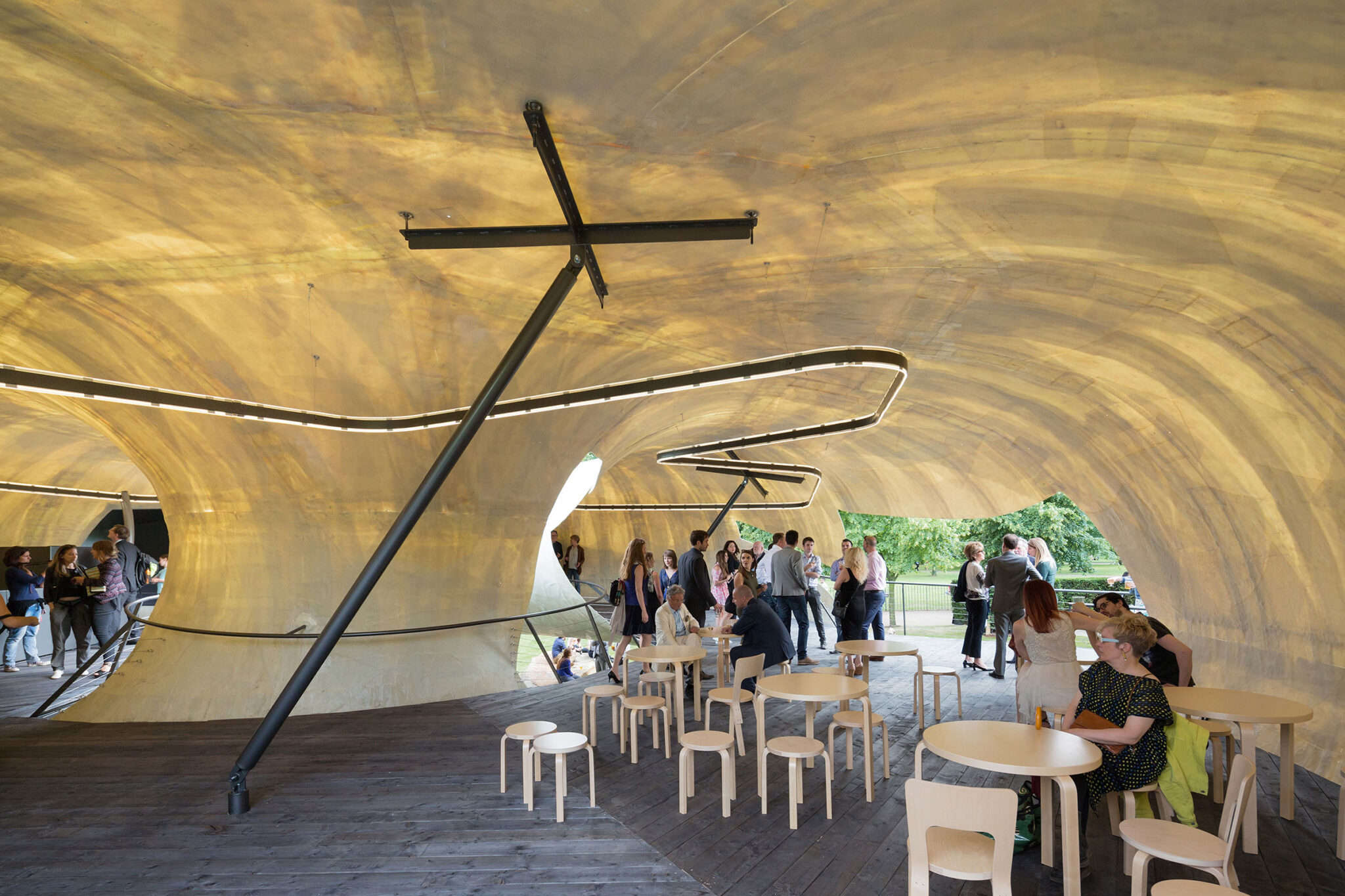
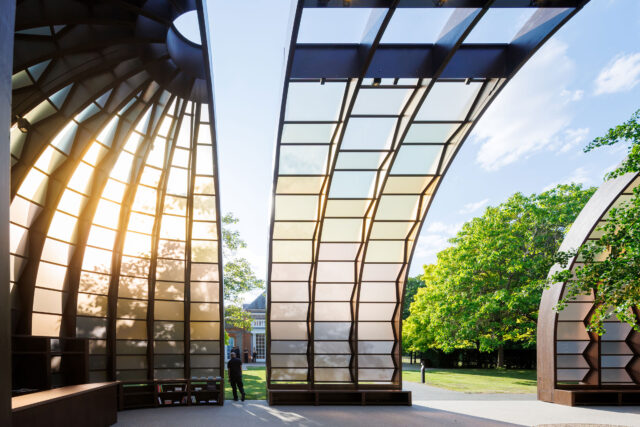
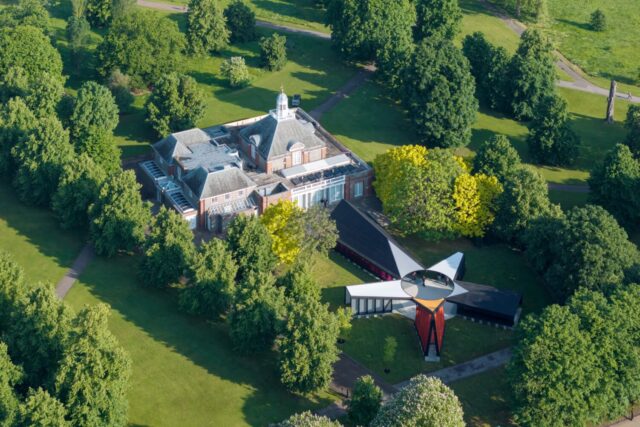
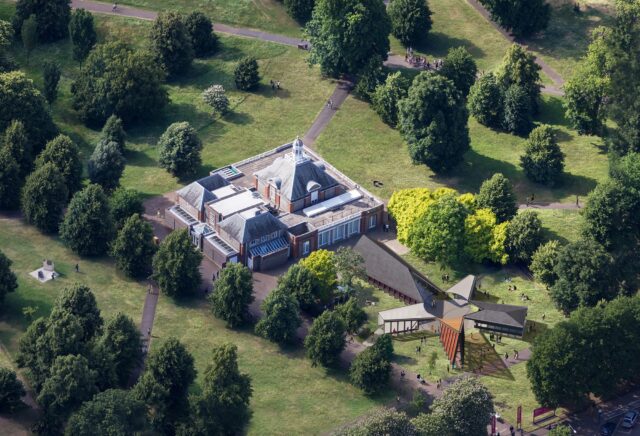
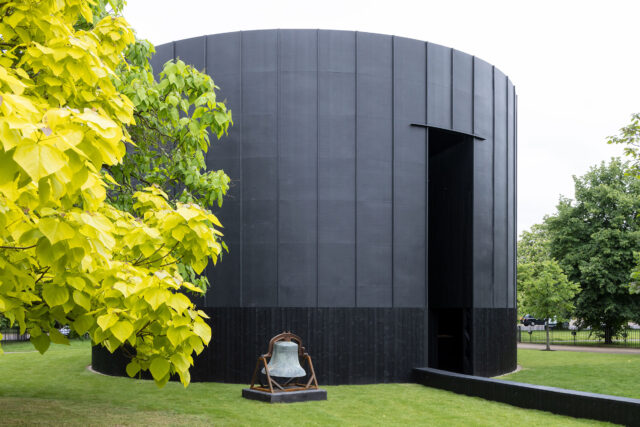
スミルハン・ラディックによる、イギリス・ロンドンの「Serpentine Gallery Pavilion」。プリツカー賞受賞建築家の代表作のひとつで2014年に完成。質量・表面・地面が“意図的な均衡”の中にあり、建築の“原初的な読み取り方”を提示。シェルと石のパヴィリオンは古代的であり仮説的でもあるSerpentine Gallery Pavilion photo courtesy of Iwan Baan
スミルハン・ラディックによる、イギリス・ロンドンの「Serpentine Gallery Pavilion」。プリツカー賞受賞建築家の代表作のひとつで2014年に完成。質量・表面・地面が“意図的な均衡”の中にあり、建築の“原初的な読み取り方”を提示。シェルと石のパヴィリオンは古代的であり仮説的でもあるSerpentine Gallery Pavilion photo courtesy of Iwan Baan
スミルハン・ラディックによる、イギリス・ロンドンの「Serpentine Gallery Pavilion」。プリツカー賞受賞建築家の代表作のひとつで2014年に完成。質量・表面・地面が“意図的な均衡”の中にあり、建築の“原初的な読み取り方”を提示。シェルと石のパヴィリオンは古代的であり仮説的でもあるSerpentine Gallery Pavilion photo courtesy of Iwan Baan
スミルハン・ラディックによる、イギリス・ロンドンの「Serpentine Gallery Pavilion」。プリツカー賞受賞建築家の代表作のひとつで2014年に完成。質量・表面・地面が“意図的な均衡”の中にあり、建築の“原初的な読み取り方”を提示。シェルと石のパヴィリオンは古代的であり仮説的でもあるSerpentine Gallery Pavilion photo courtesy of Iwan Baan
スミルハン・ラディックによる、イギリス・ロンドンの「Serpentine Gallery Pavilion」。プリツカー賞受賞建築家の代表作のひとつで2014年に完成。質量・表面・地面が“意図的な均衡”の中にあり、建築の“原初的な読み取り方”を提示。シェルと石のパヴィリオンは古代的であり仮説的でもあるSerpentine Gallery Pavilion photo courtesy of Iwan Baan
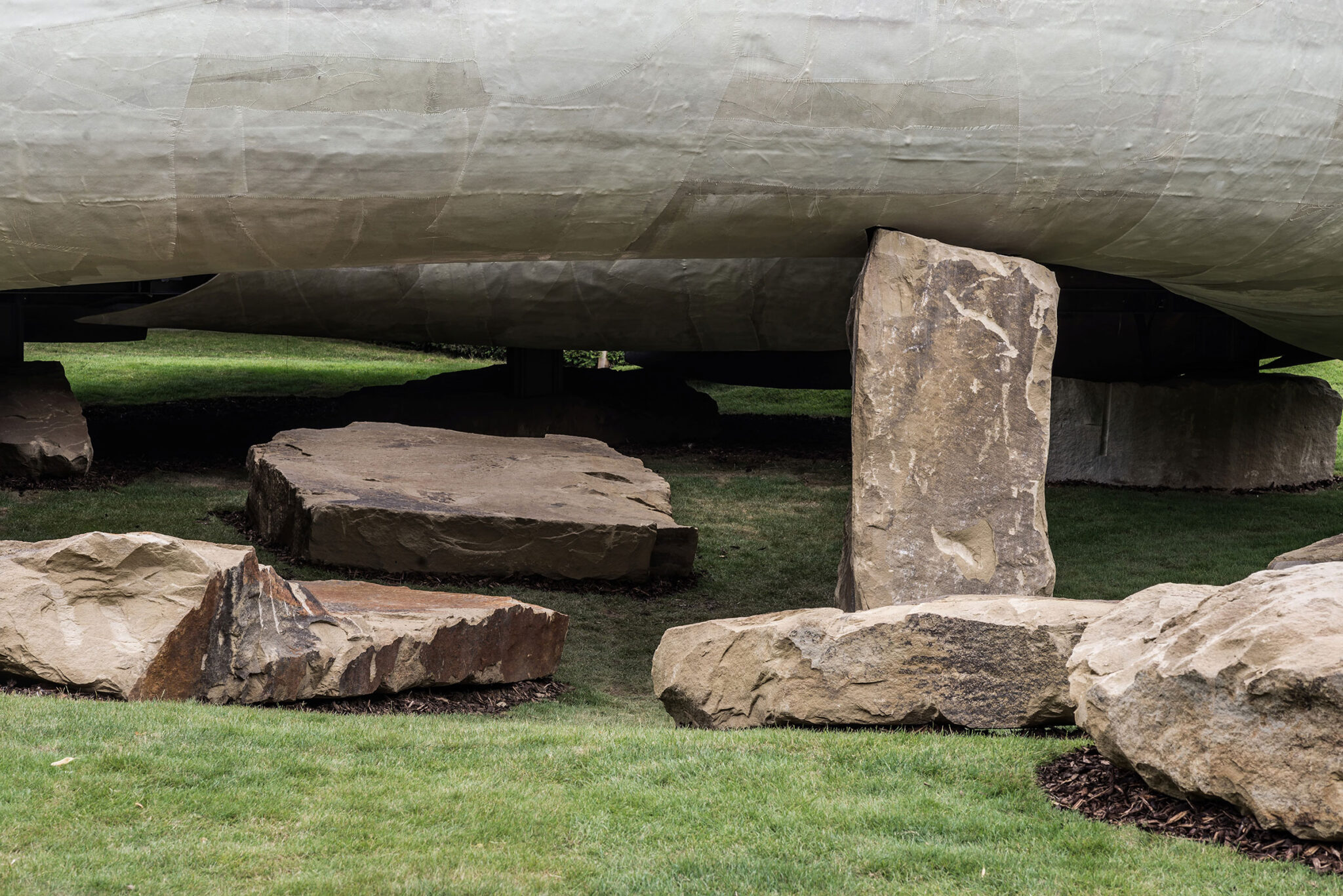
スミルハン・ラディックによる、イギリス・ロンドンの「Serpentine Gallery Pavilion」。プリツカー賞受賞建築家の代表作のひとつで2014年に完成。質量・表面・地面が“意図的な均衡”の中にあり、建築の“原初的な読み取り方”を提示。シェルと石のパヴィリオンは古代的であり仮説的でもあるSerpentine Gallery Pavilion photo courtesy of Gonzalo Puga
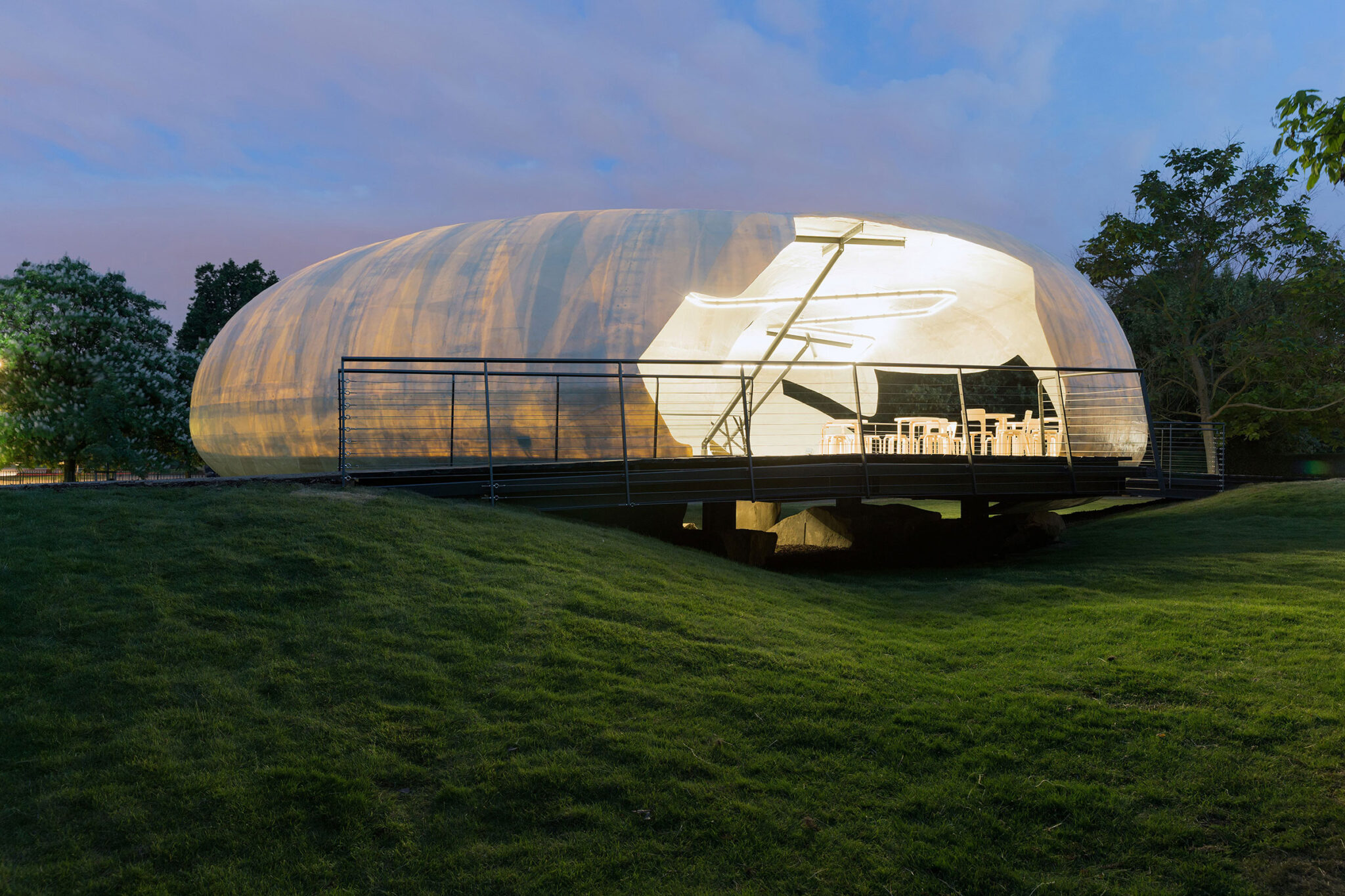
スミルハン・ラディックによる、イギリス・ロンドンの「Serpentine Gallery Pavilion」。プリツカー賞受賞建築家の代表作のひとつで2014年に完成。質量・表面・地面が“意図的な均衡”の中にあり、建築の“原初的な読み取り方”を提示。シェルと石のパヴィリオンは古代的であり仮説的でもあるSerpentine Gallery Pavilion photo courtesy of Iwan Baan
スミルハン・ラディックによる、イギリス・ロンドンの「Serpentine Gallery Pavilion」。プリツカー賞受賞建築家の代表作のひとつで2014年に完成。質量・表面・地面が“意図的な均衡”の中にあり、建築の“原初的な読み取り方”を提示。シェルと石のパヴィリオンは古代的であり仮説的でもあるSerpentine Gallery Pavilion photo courtesy of Iwan Baan
以下、プロジェクトに関するテキストです。
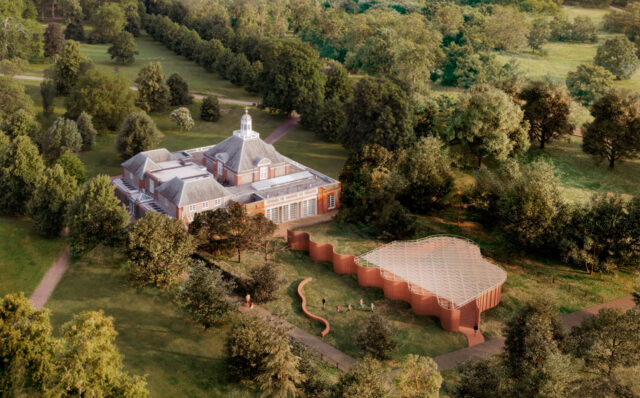
Serpentine Gallery Pavilion presents shelter as a seemingly-suspended condition. A translucent fiberglass shell appears to hover above the lawn of Kensington Gardens, resting improbably on a ring of immense load-bearing, locally-sourced stones. The pavilion appears both ancient and provisional, anchored by the gravity of stone and animated by the shifting daylight filtered through its skin. Light is filtered rather than displayed; the structure is neither fully enclosed nor entirely open. Though temporary, the pavilion proposes a primordial reading of architecture, where mass, surface, and ground are in deliberate equilibrium.
【ap job更新】 不動産と建築を横断し、“新しい空間と事業のあり方”をつくる「Project O 株式会社」が、プロジェクトデザイナー(経験者・既卒)を募集中【ap job更新】 不動産と建築を横断し、“新しい空間と事業のあり方”をつくる「Project O 株式会社」が、プロジェクトデザイナー(経験者・既卒)を募集中新しい場の起点を創造する
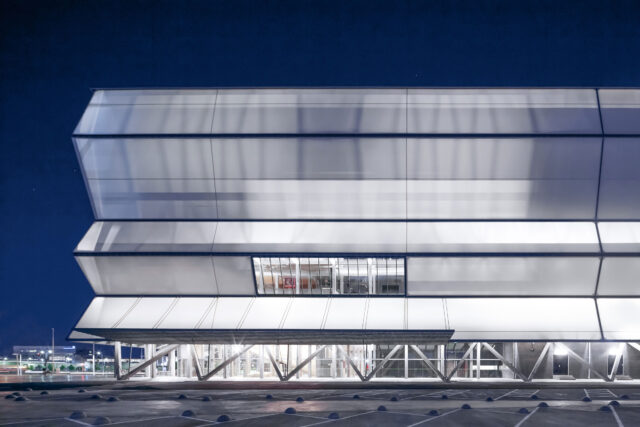
スミルハン・ラディックによる、チリ・コンセプシオンの劇場「Teatro Regional del Biobio」。プリツカー賞受賞建築家の代表作のひとつで2018年に完成。半透明素材を層状に重ねた建築は、昼はグレアを抑える為に光をろ過して夜には発光する様な輝きを放つ。記念碑性を伴わずに存在感を創出する方法も示す