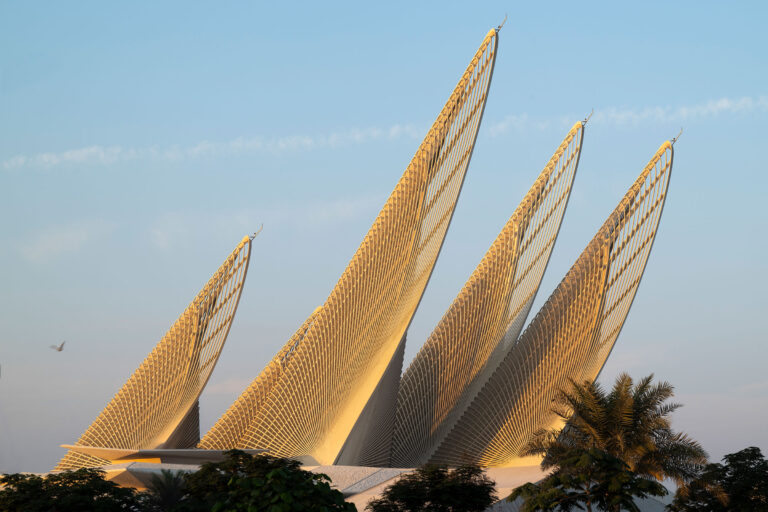
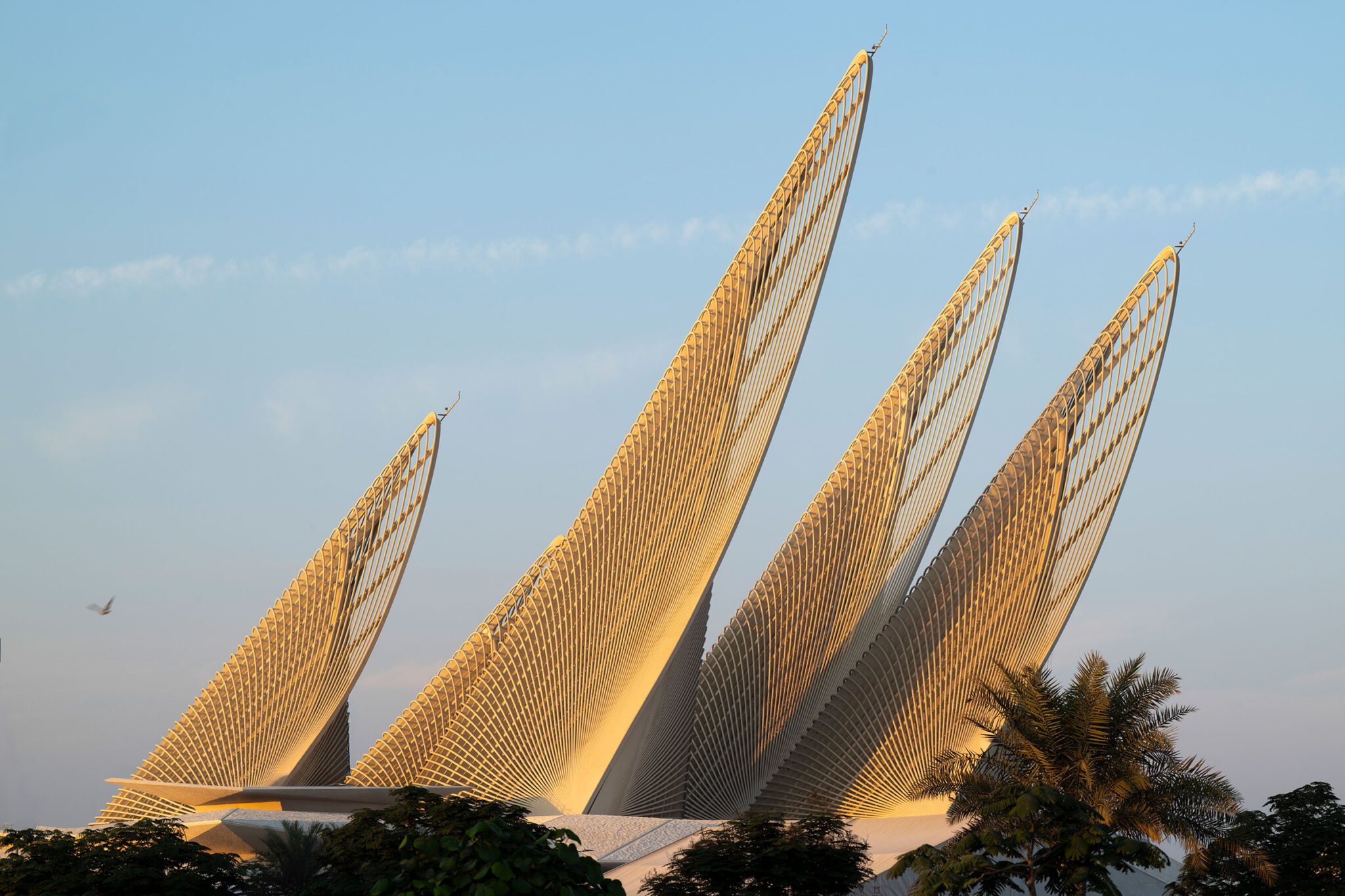
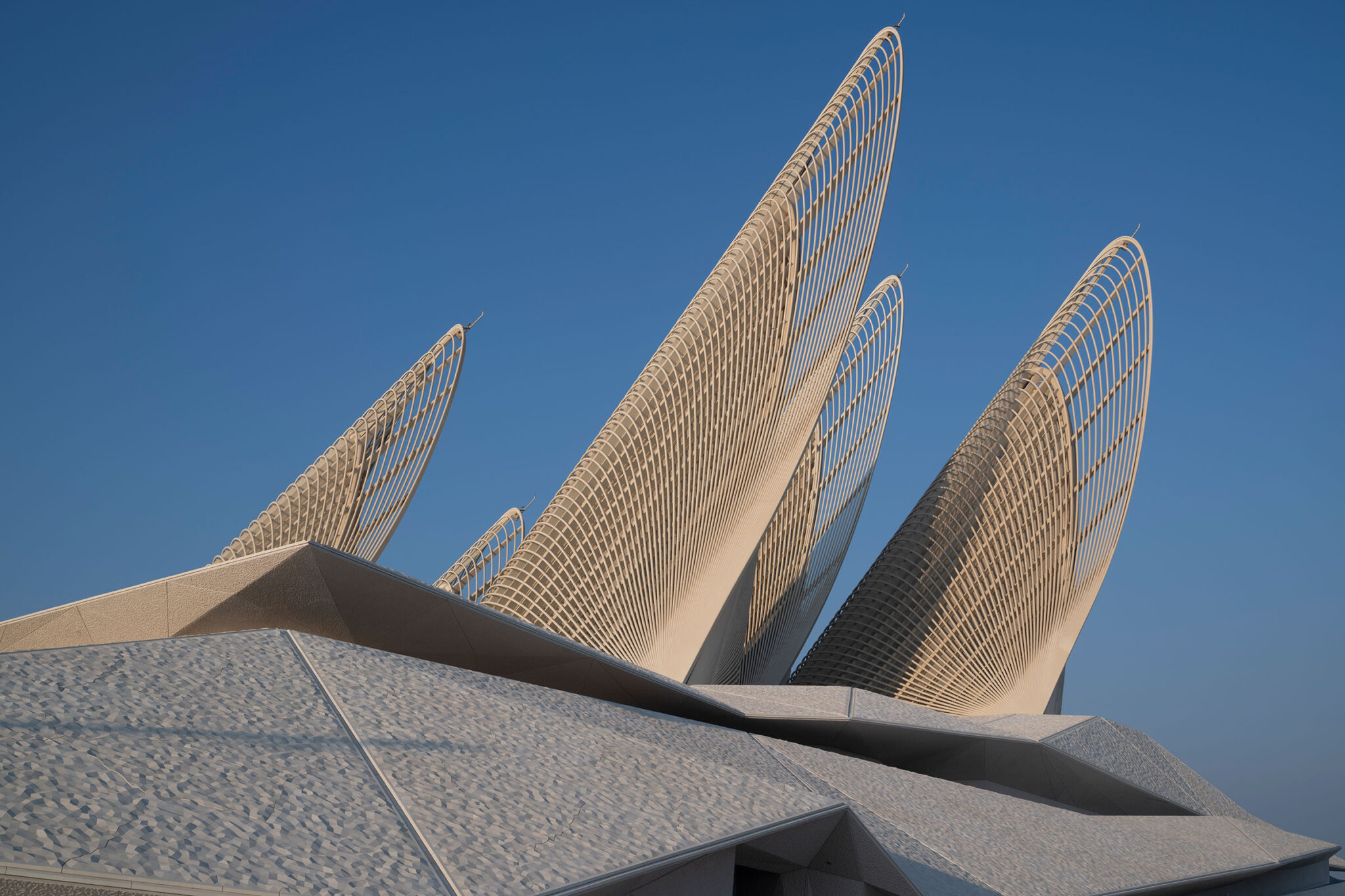
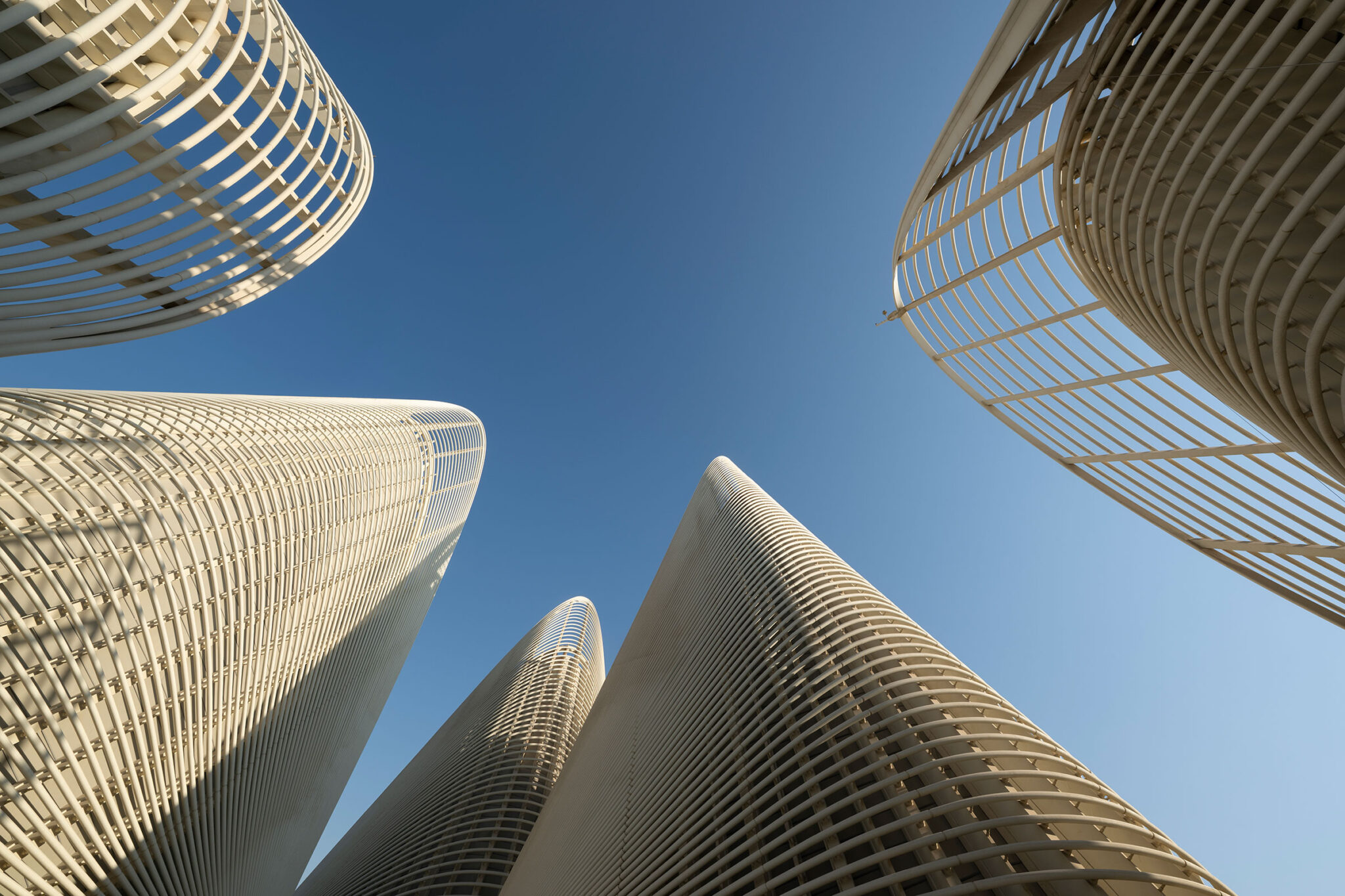
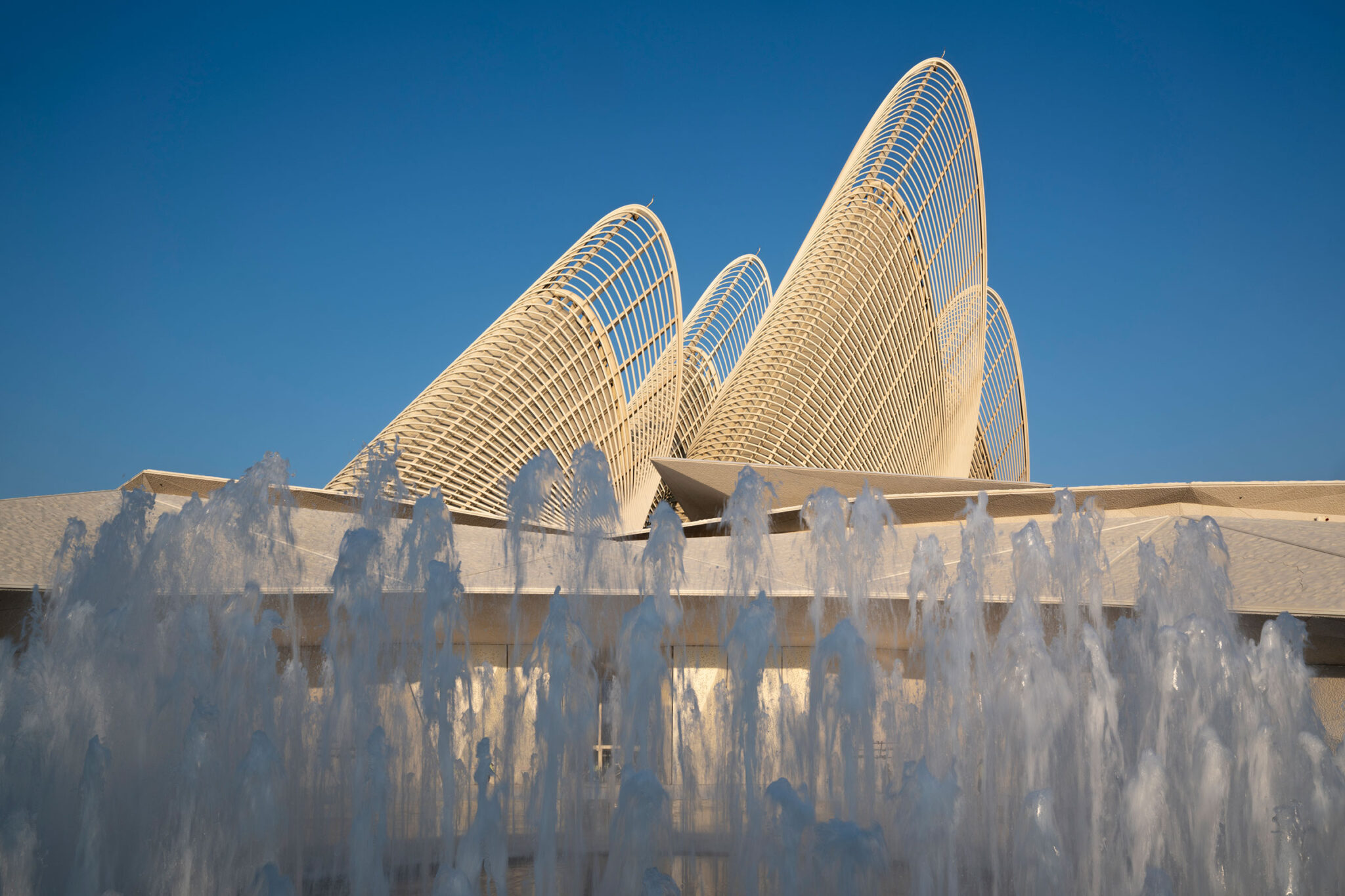
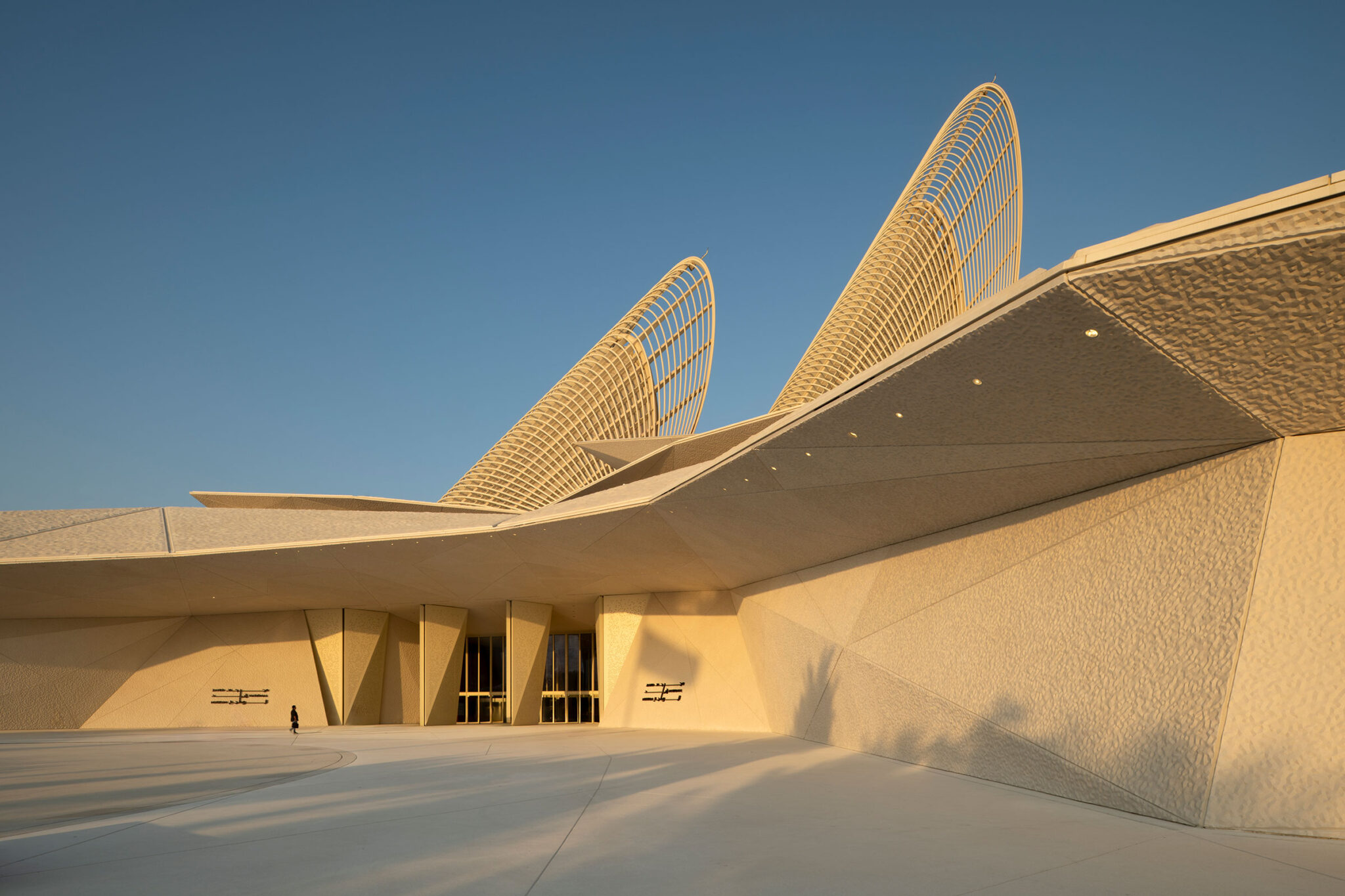
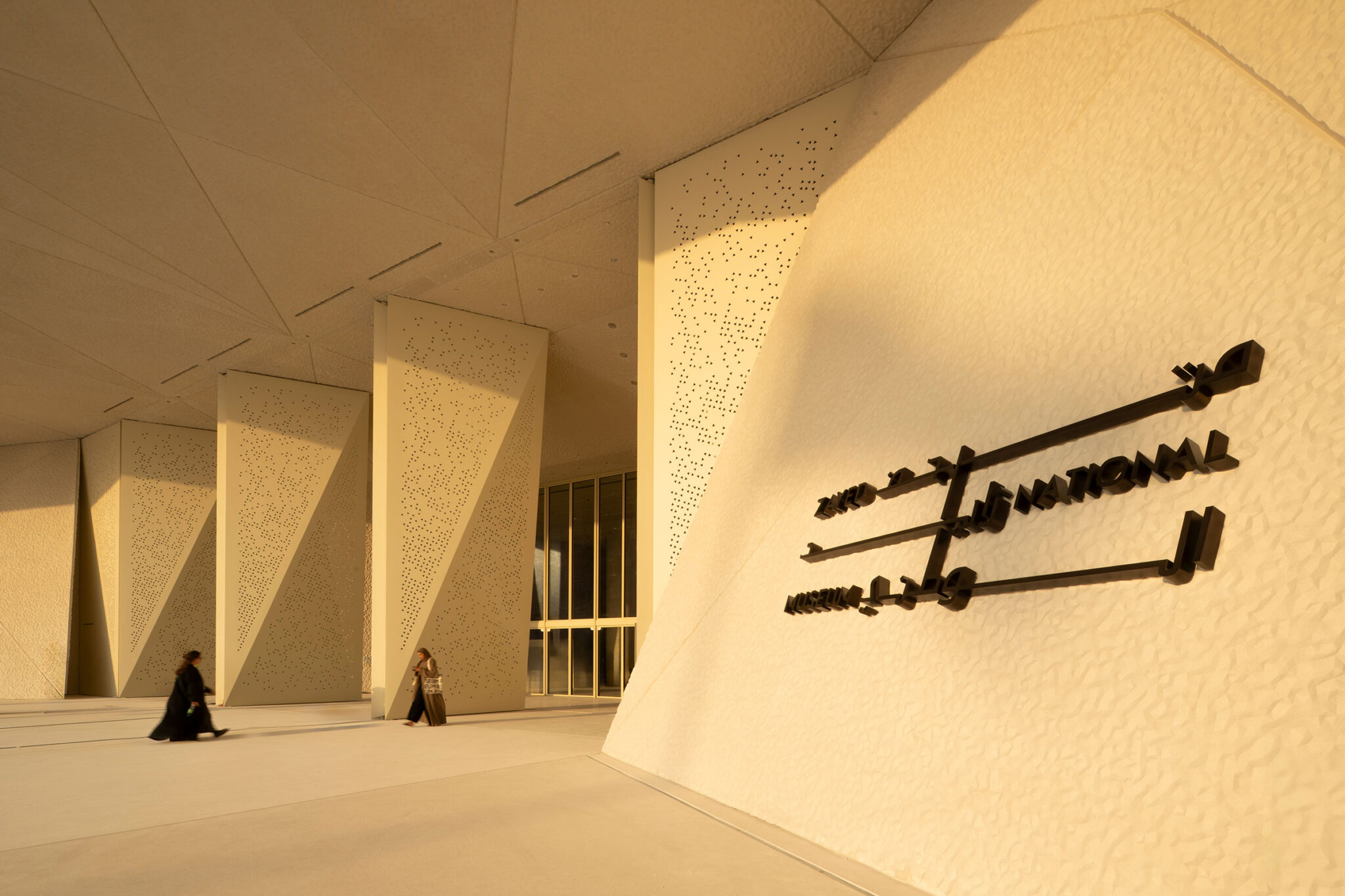
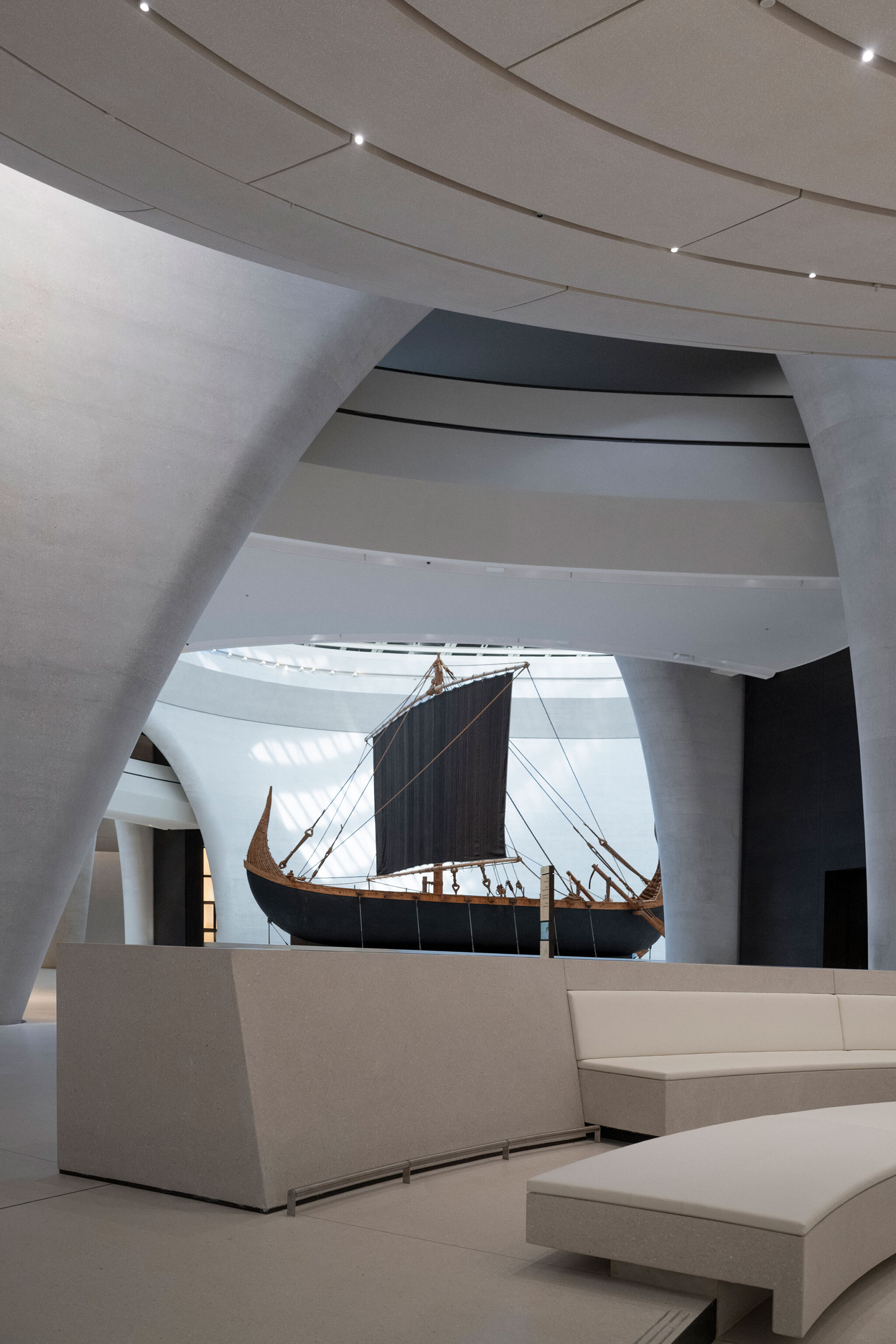
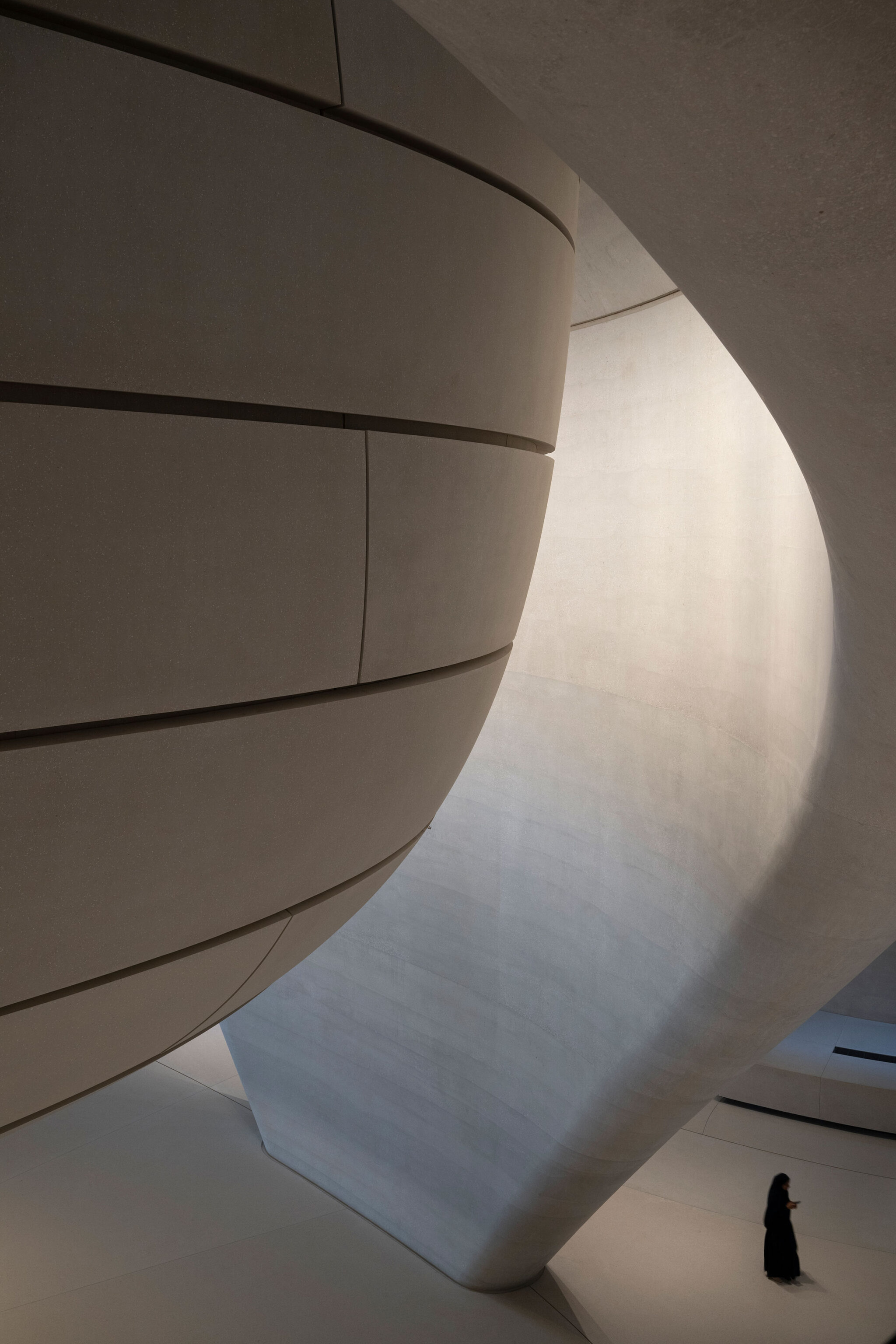
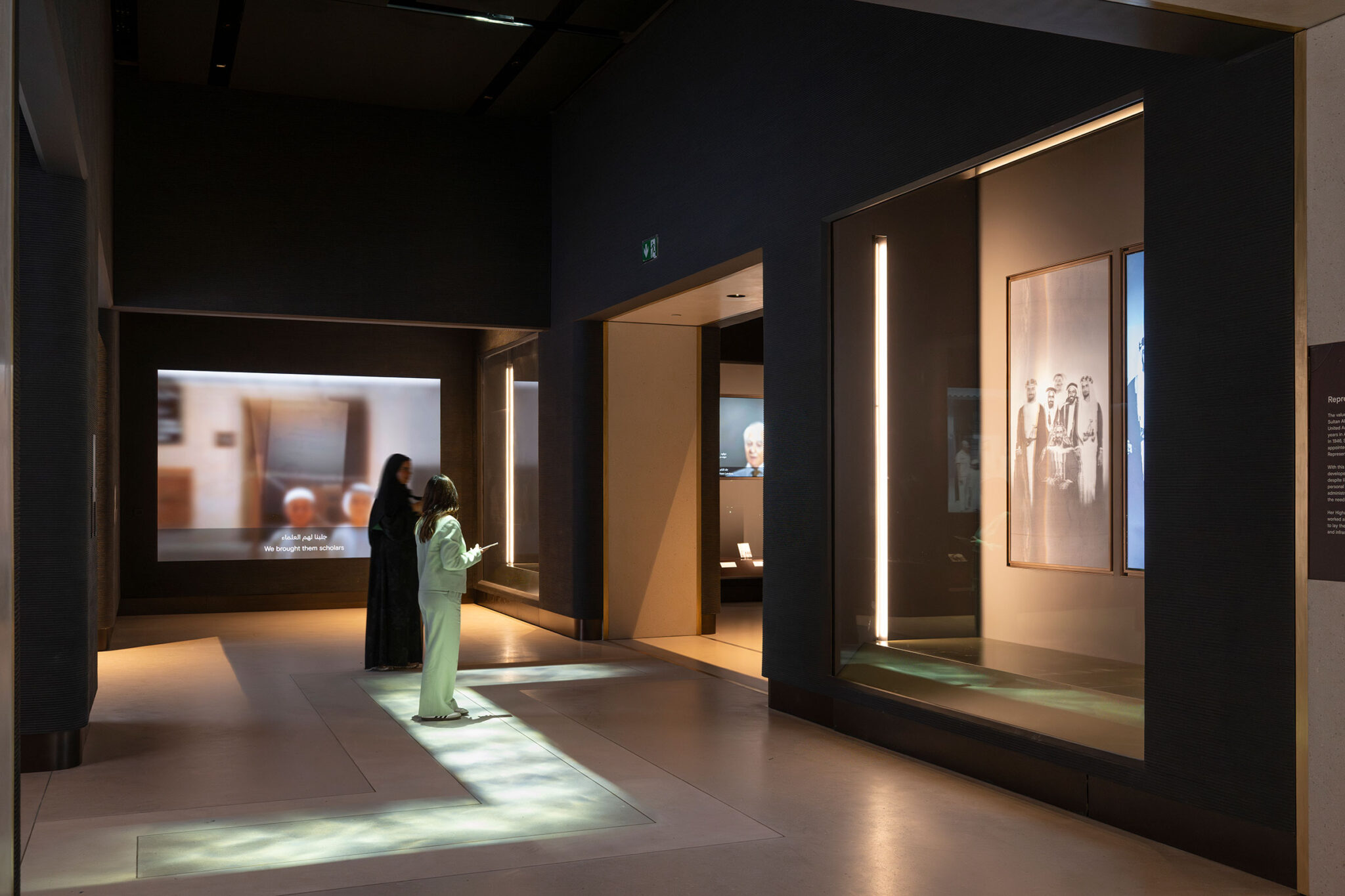
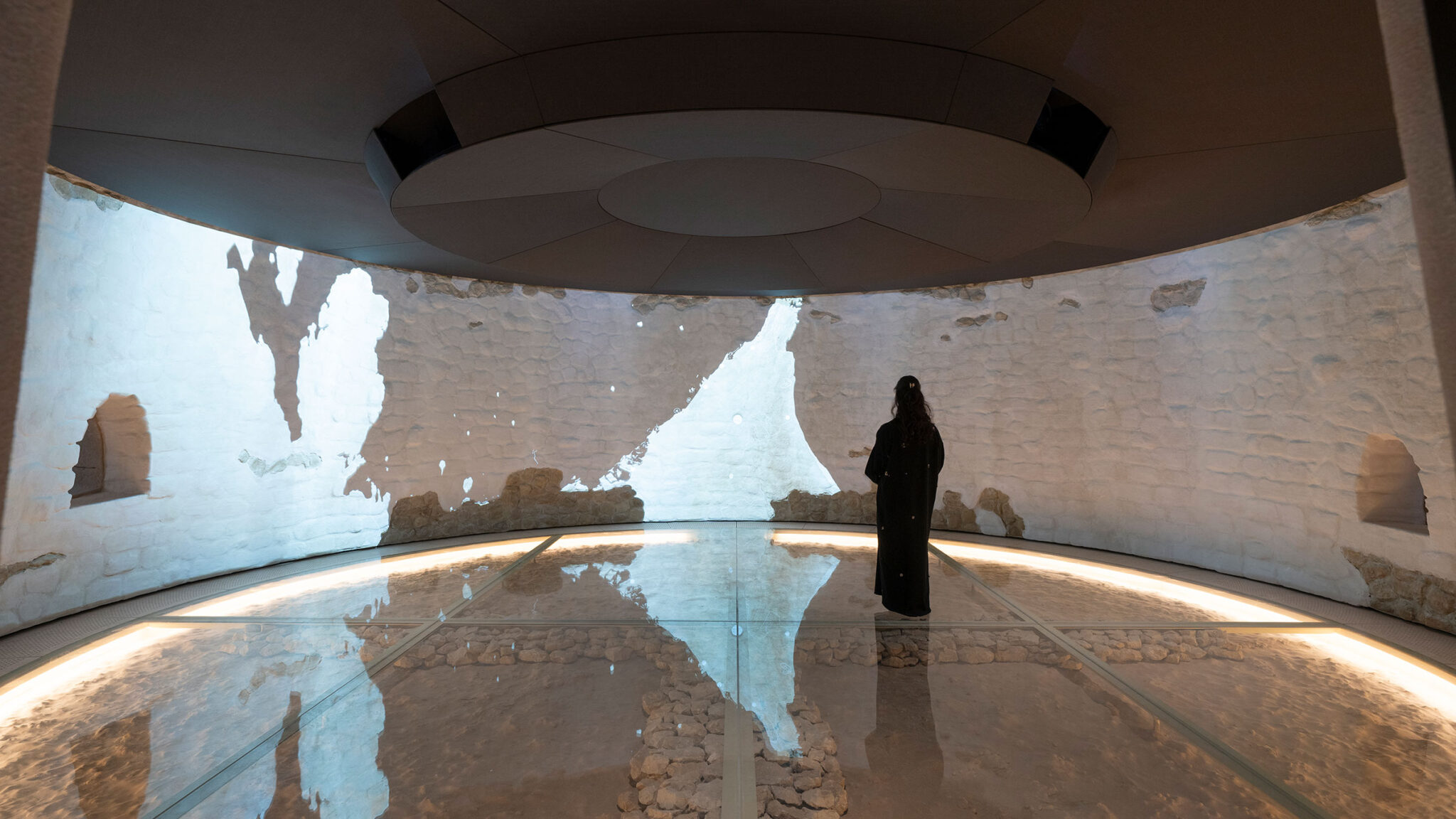
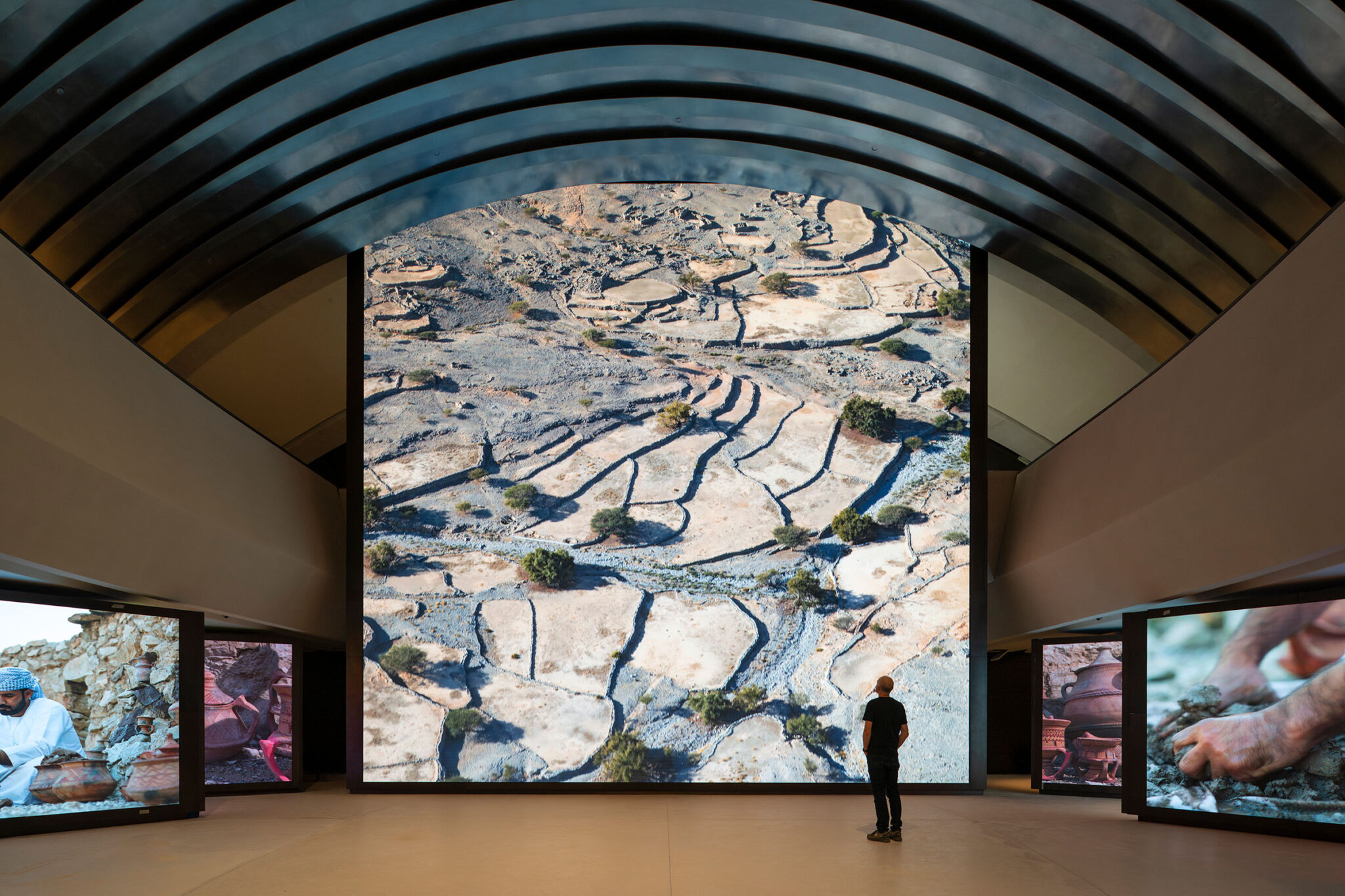
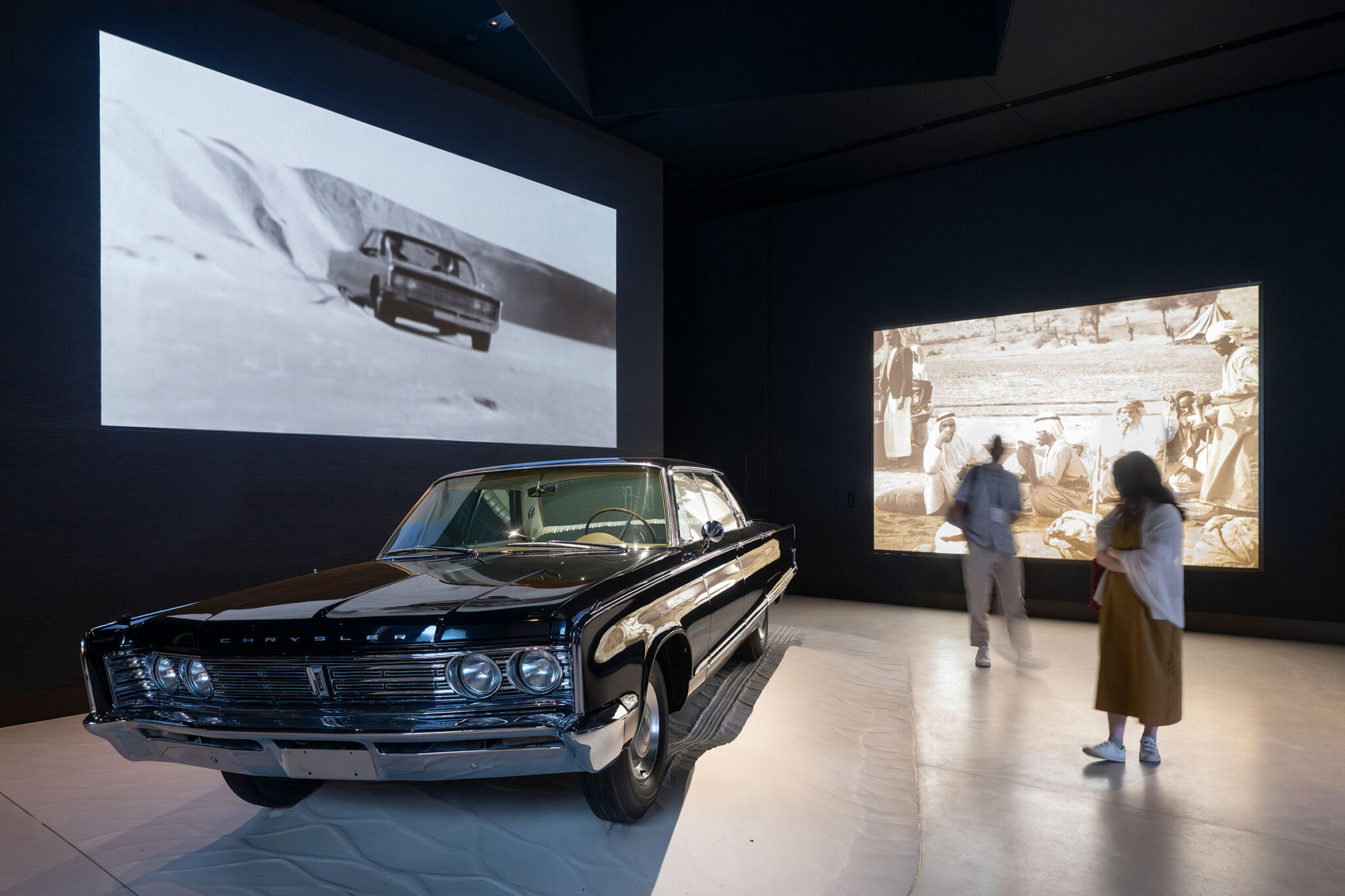
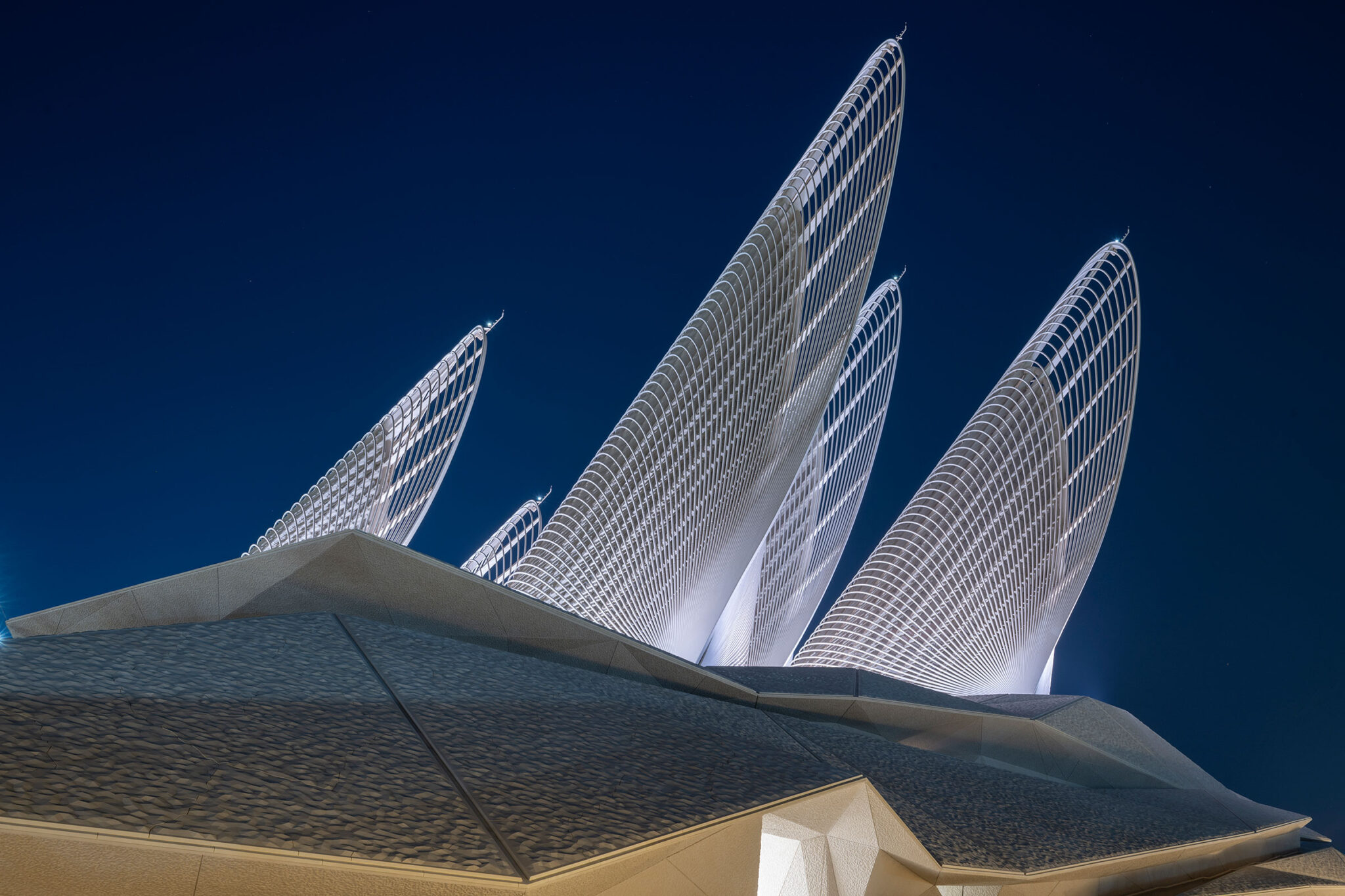
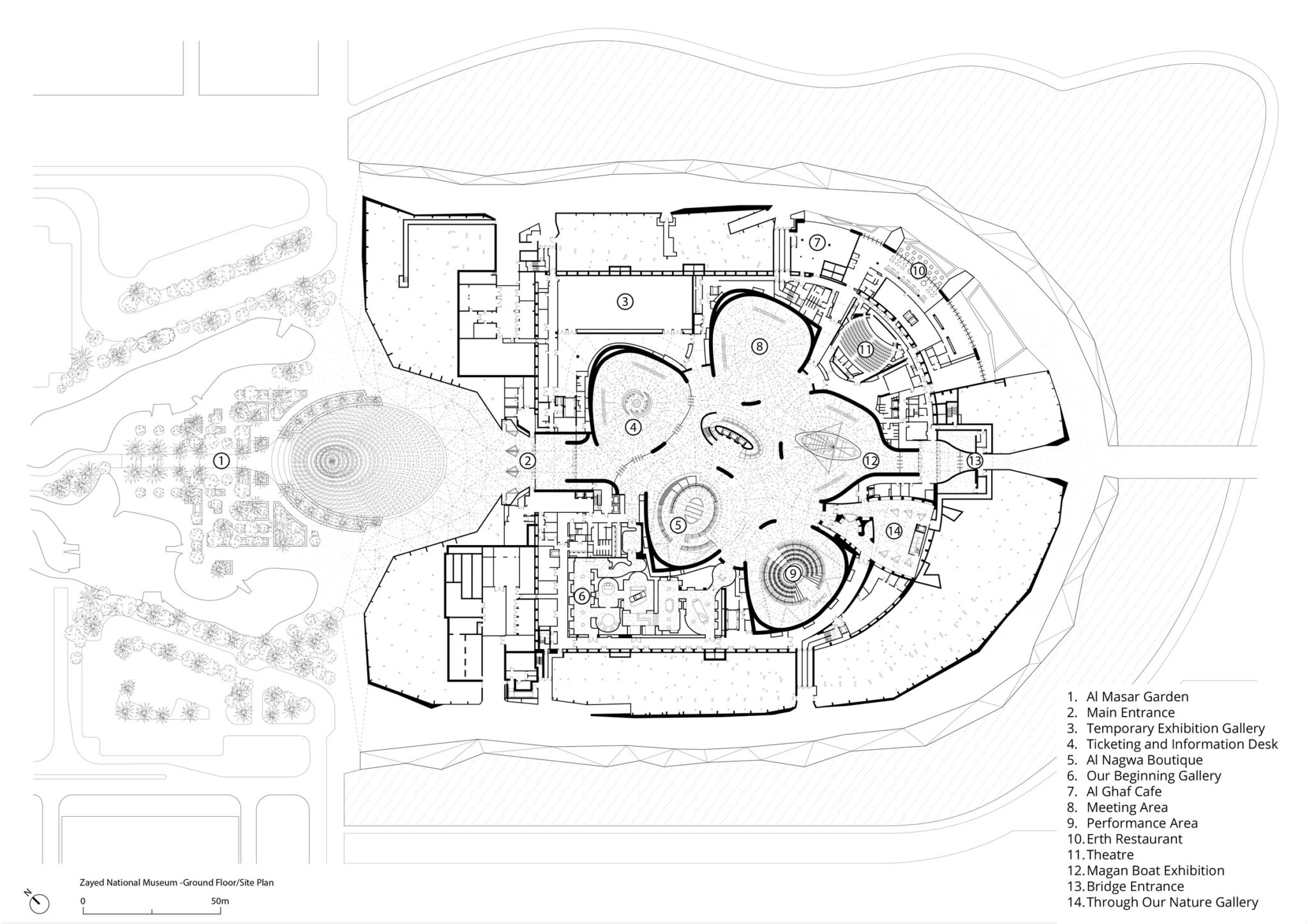
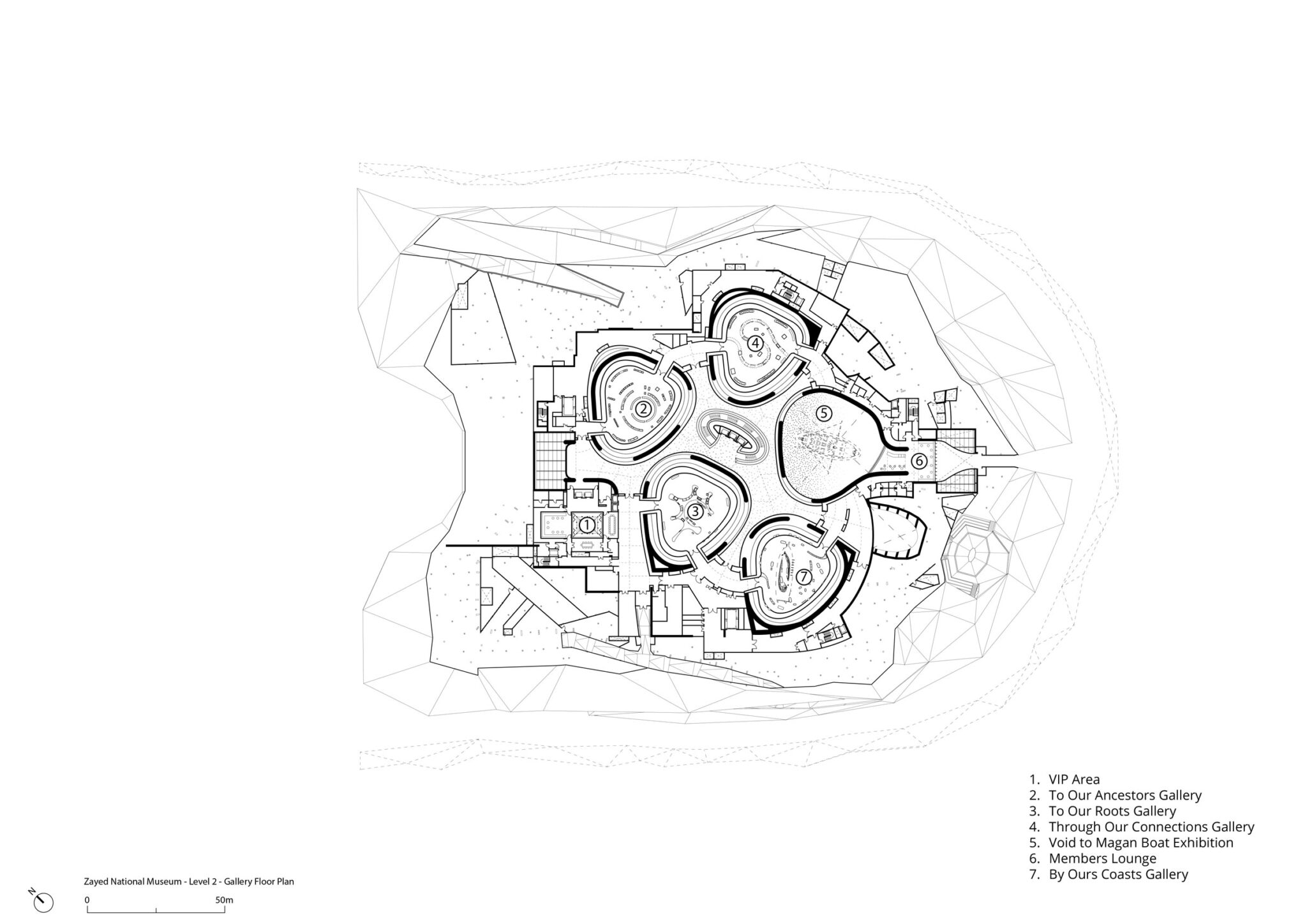
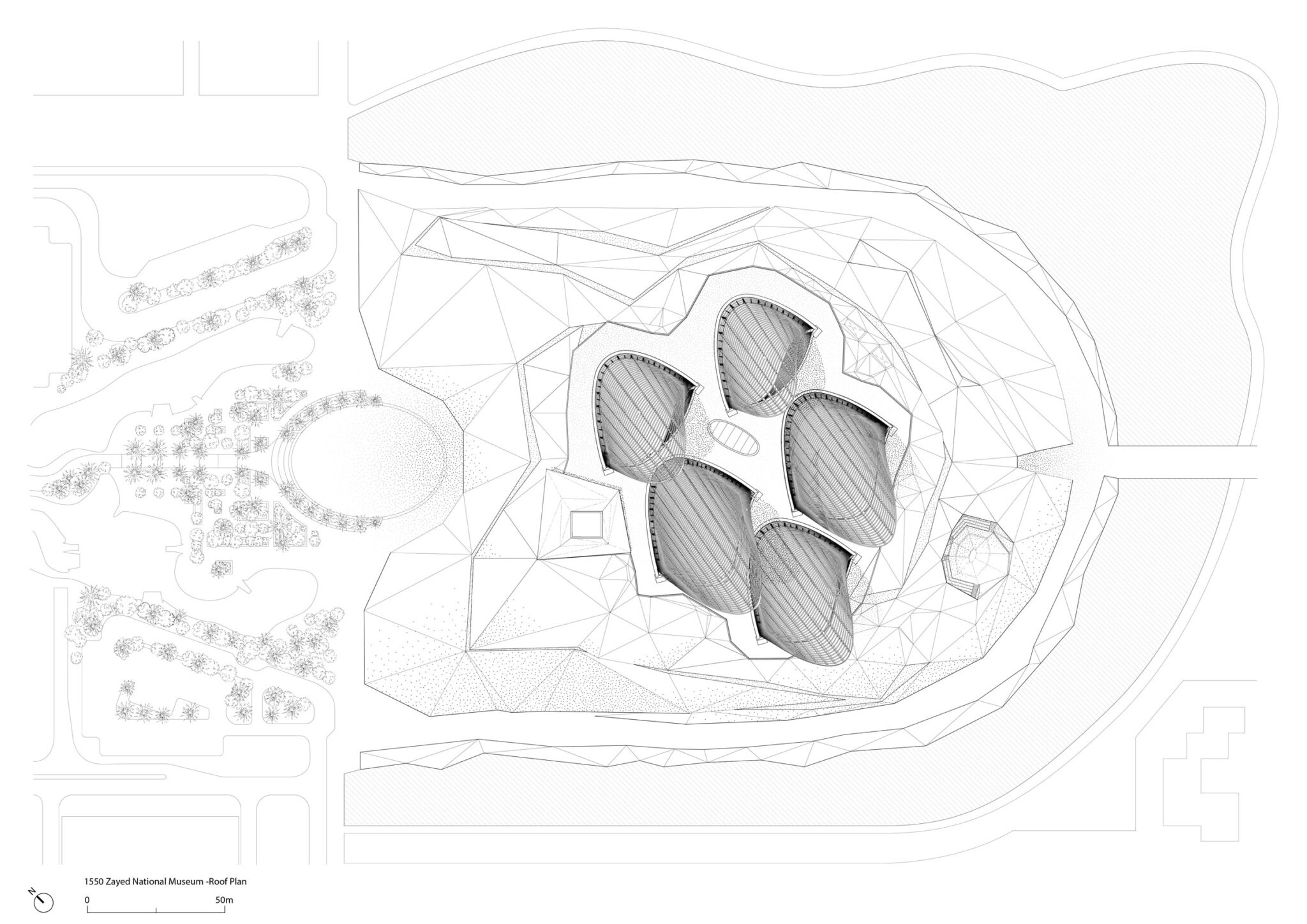
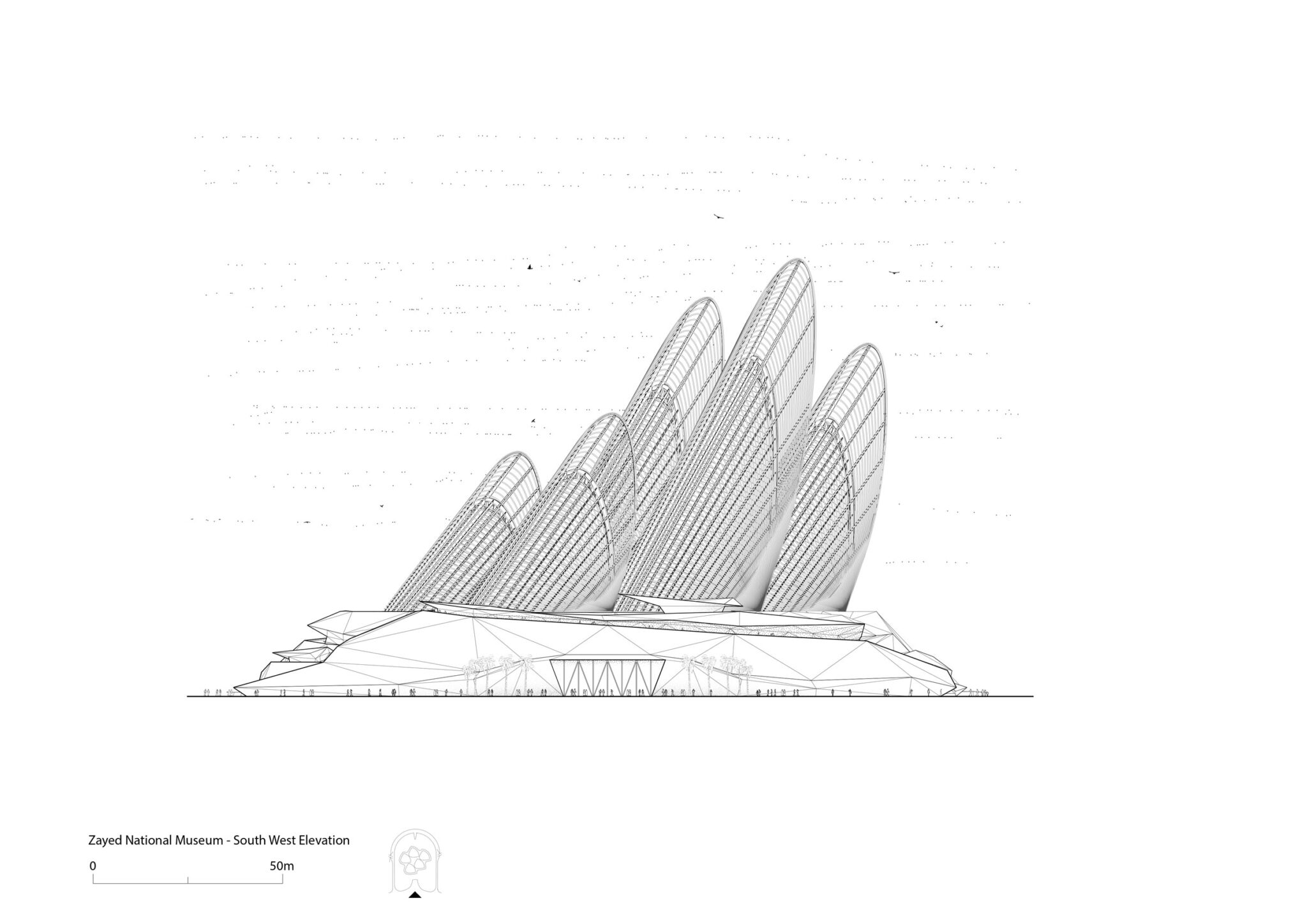
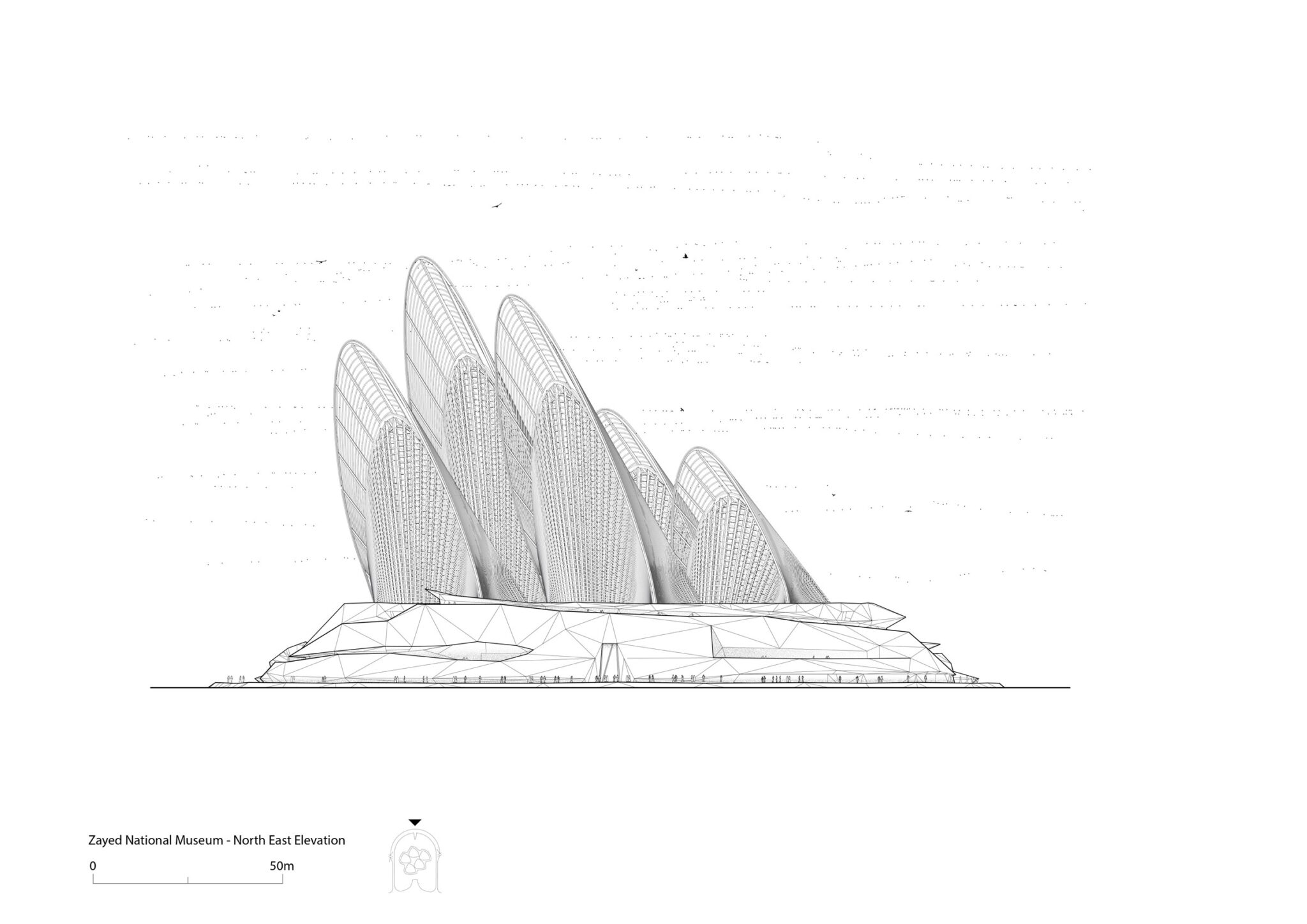
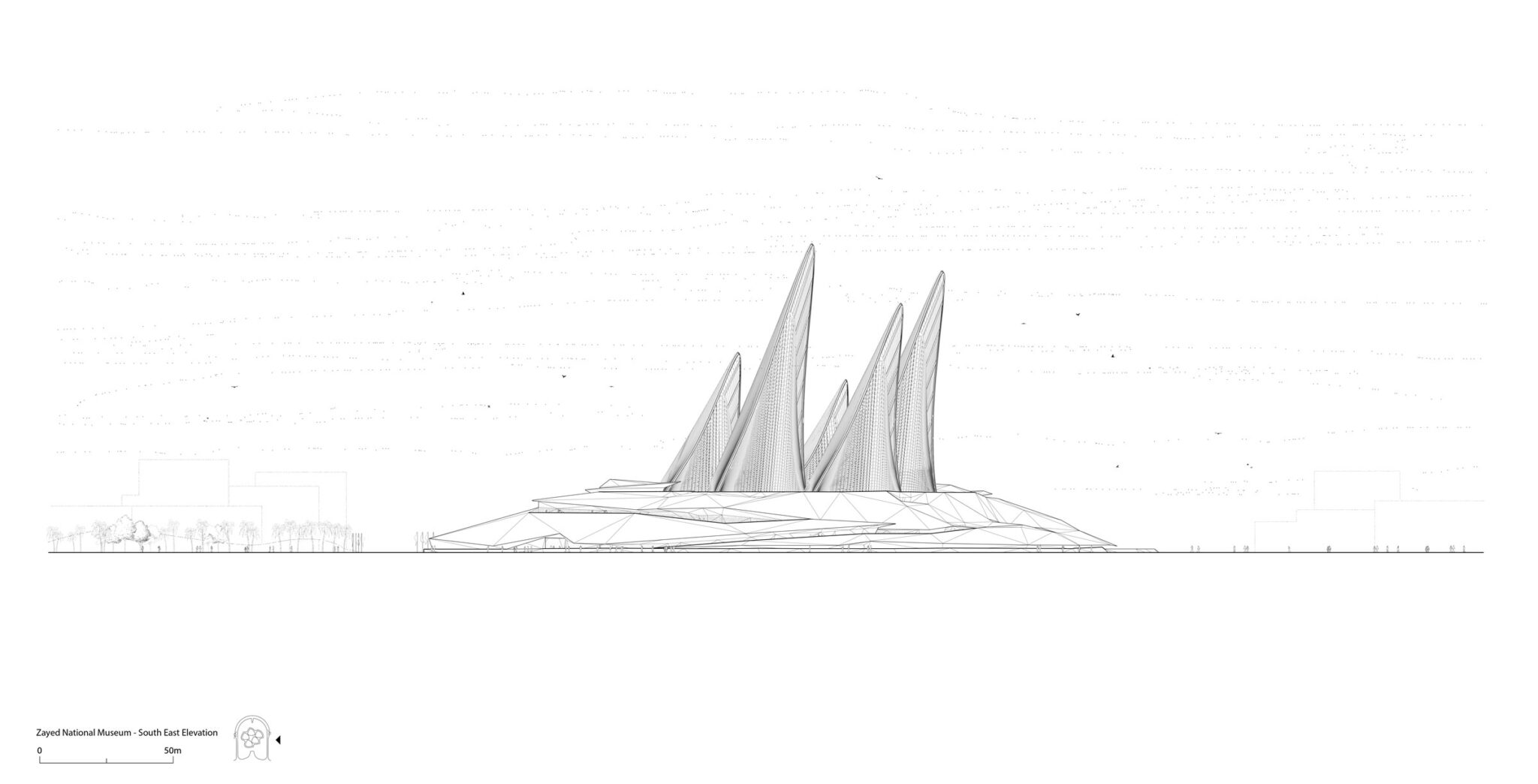
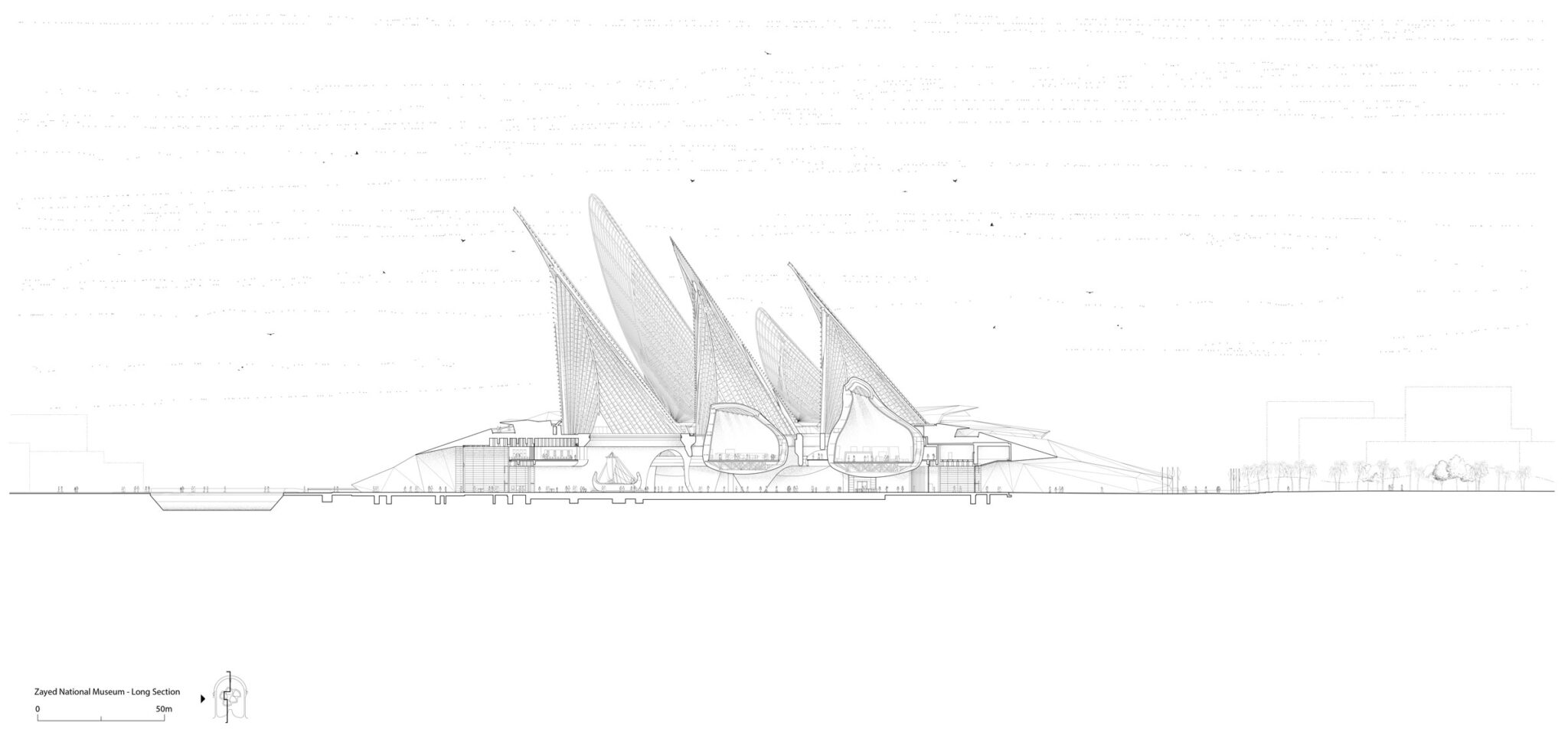
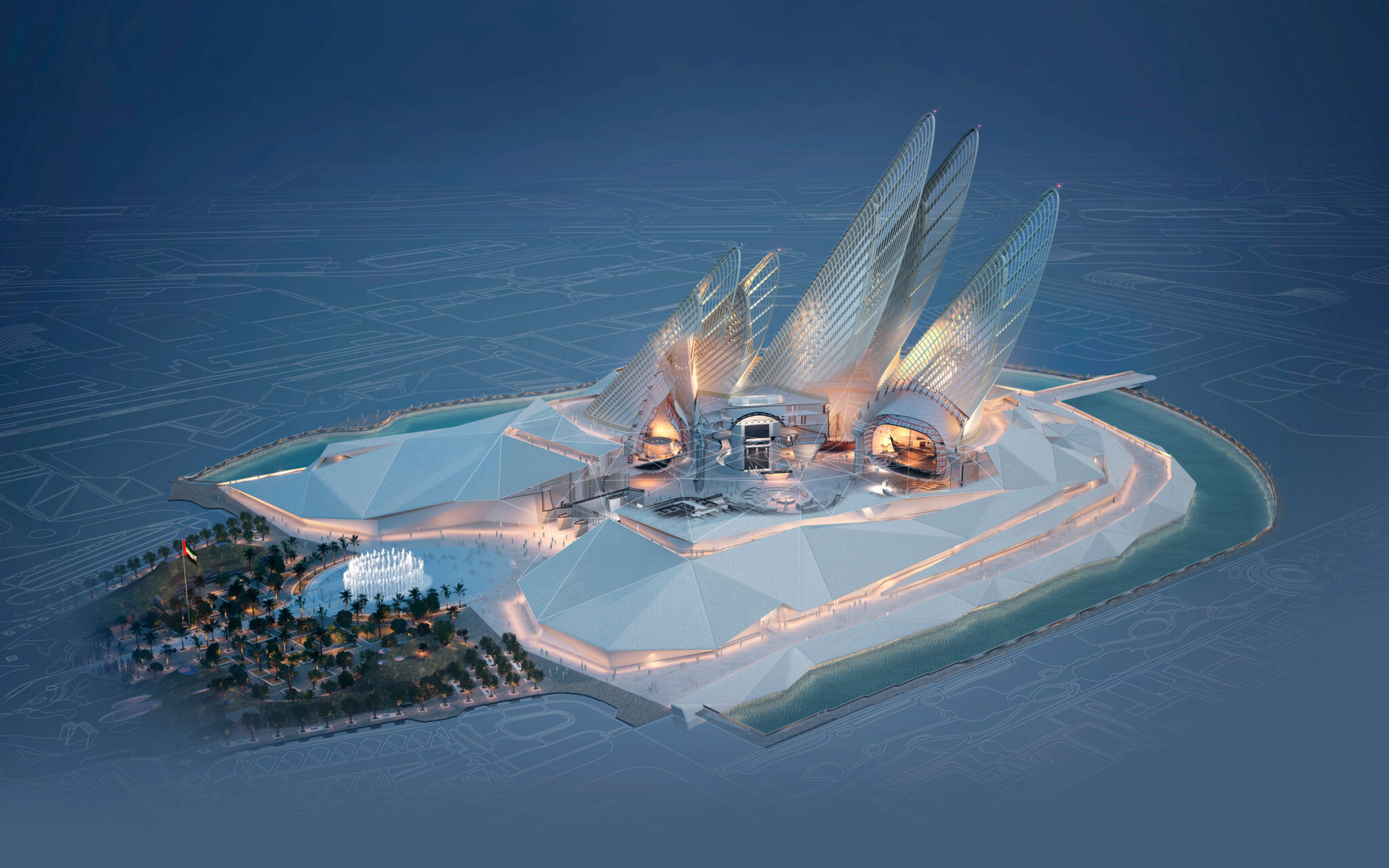
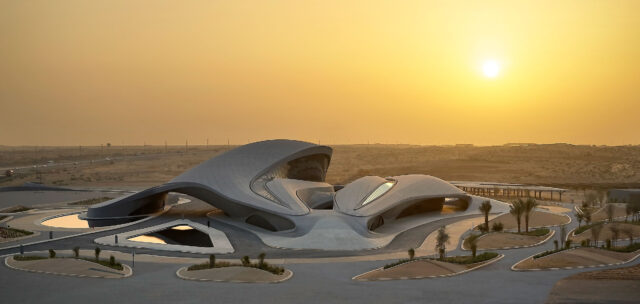
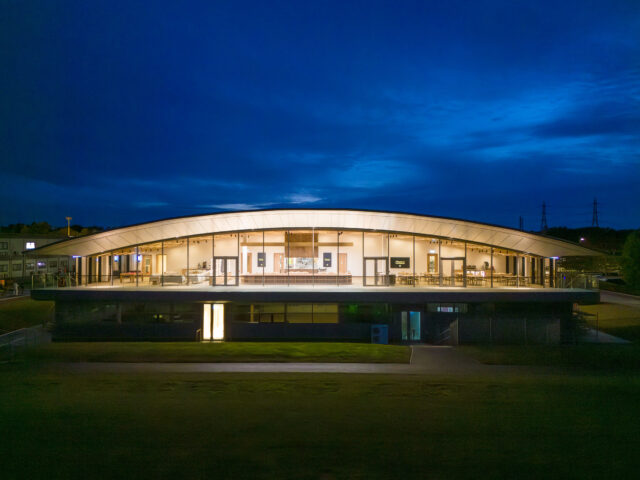
ザイード国立博物館は一般の人々にその扉を開きました。アブダビのサディヤット文化地区の中心に位置するアラブ首長国連邦(UAE)の新しい国立博物館は、最初期の人類居住の証拠から、UAEの文化とアイデンティティを形作った文明まで、その歴史をたどります。この歴史は、UAEの建国の父である故シェイク・ザイード・ビン・スルタン・アール・ナヒヤーン(Sheikh Zayed bin Sultan Al Nahyan)の価値観に根ざしています。この建物の形状は、砂漠環境での生活を持続させるという課題と、UAEの強固な文化的伝統に対応しています。
アブダビ文化観光局の議長であるモハメッド・ハリファ・アル・ムバラク(Mohamed Khalifa Al Mubarak)閣下は次のように述べました。「ザイード国立博物館は、我が国の物語に恒久的な拠り所を与えています。私たちの国立博物館は、過去を保存し共有すると同時に、世代と世代をつなぐ役割を果たしています。ここは、私たちの子どもたちや孫たちが、この国を築いた価値観――団結、謙虚さ、開かれた心、そして伝統への敬意――を見出す場所です。これらは私たちを導き続けている原則です。そして、世界中からの来訪者がこれらのギャラリーを歩くとき、彼らはアラブ首長国連邦の過去、現在、そして未来について、より深い理解を得ることになるでしょう」
Zayed National Museum has opened its doors to the public. Located at the heart of the Saadiyat Cultural District in Abu Dhabi, the new national museum of the United Arab Emirates (UAE) traces the history of the Emirates, from the earliest evidence of human habitation to the civilisations that shaped its culture and identity, rooted in the values of the UAE’s Founding Father, the late Sheikh Zayed bin Sultan Al Nahyan. The building’s form addresses the challenge of sustaining life in a desert environment and the strong cultural traditions of the UAE.
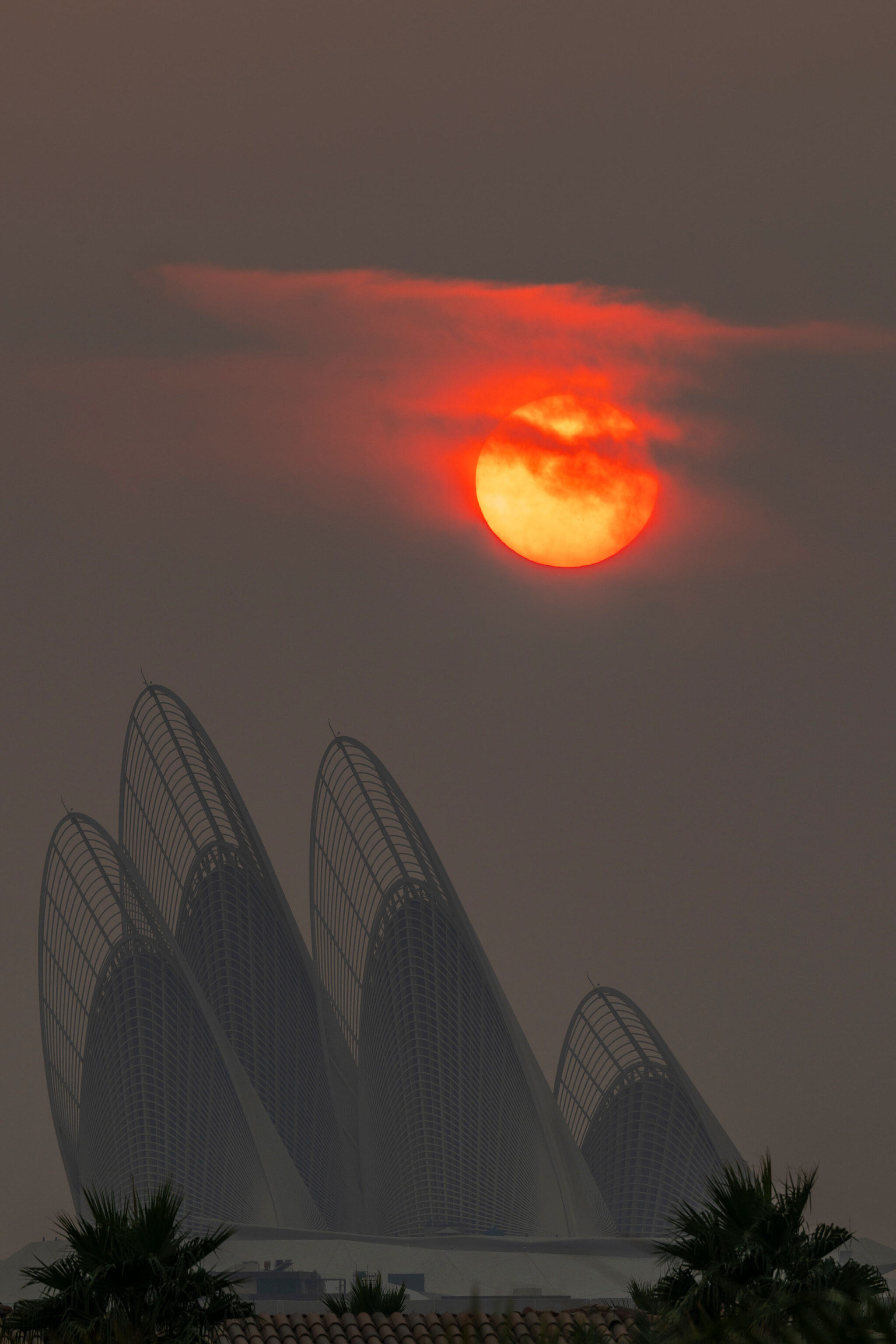
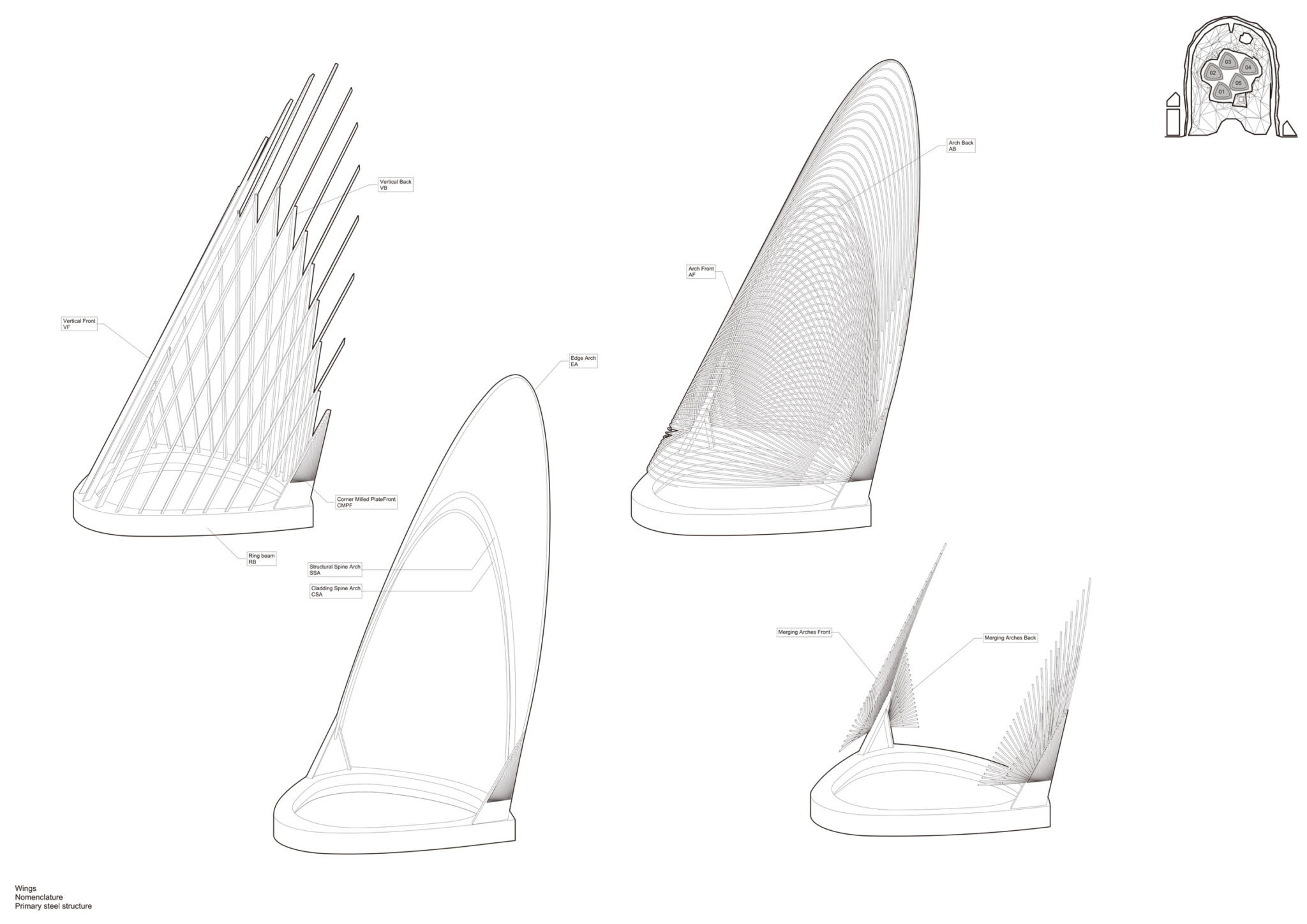
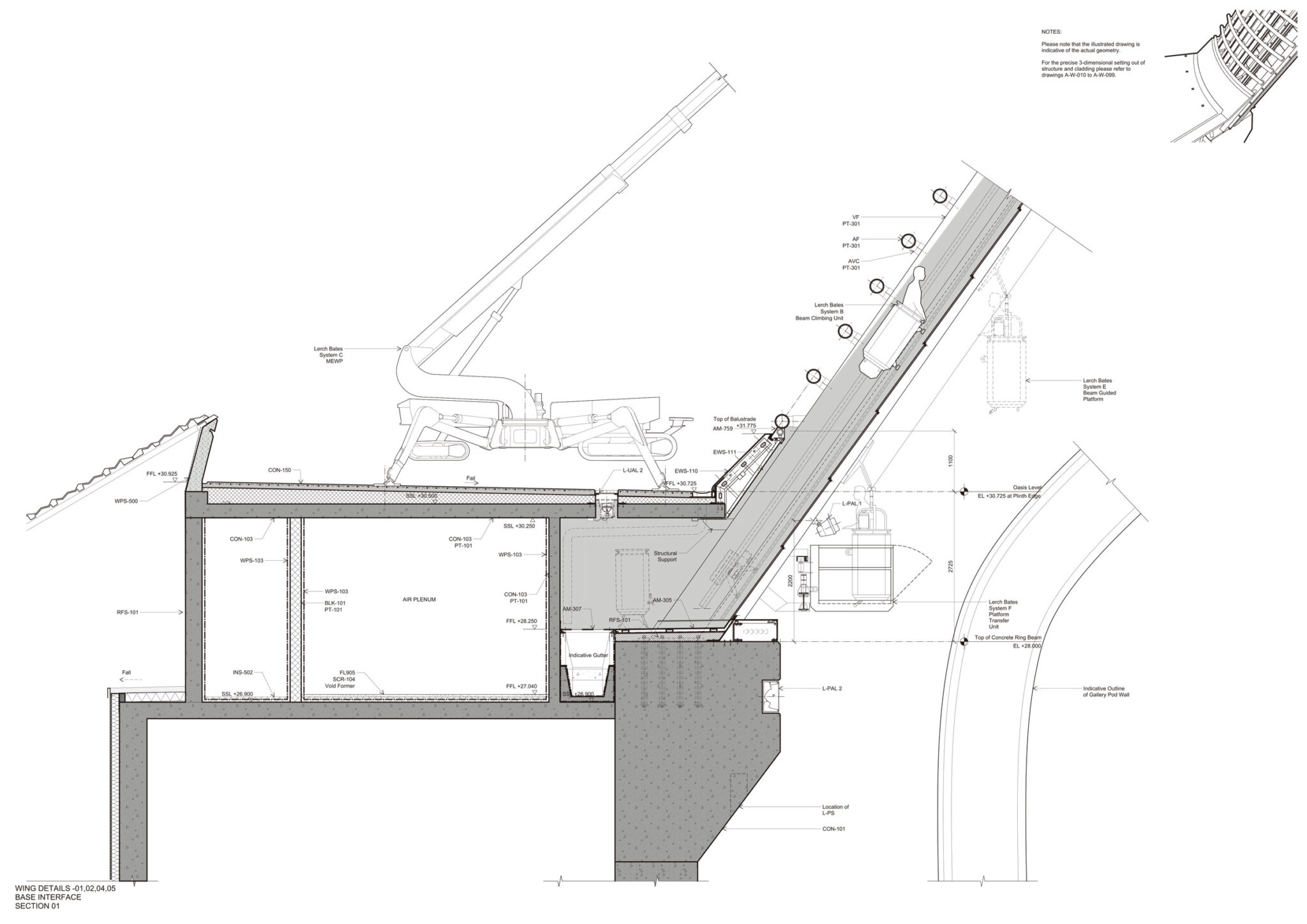
Norman Foster, Founder and Executive Chairman, Foster + Partners, said: “Zayed National Museum tells the story of Sheikh Zayed’s creation of the Emirates and the many facets of his legacy, including his vision of greening the desert. The building itself is an expression of sustainability, with five aerodynamic wings that are an integral part of the environmental system, acting as thermal chimneys and drawing cool air through the public spaces. They are also symbolic of Sheikh Zayed’s love of the traditional sport of falconry and have become markers on the city skyline.”
His Excellency Mohamed Khalifa Al Mubarak, Chairman of the Department of Culture and Tourism – Abu Dhabi, said: “Zayed National Museum gives our nation’s story a permanent home. Our national museum serves to preserve and share our past while connecting generations. It is where our children and grandchildren will discover the values that built this country: unity, humility, openness, and respect for heritage. These are lived principles that continue to guide us, and when visitors from around the world walk through these galleries, they will gain a deeper understanding of the United Arab Emirates – past, present and future.”
Gerard Evenden, Head of Studio, Foster + Partners, said: “This project has allowed us to realise – on a grand scale – many of the issues relating to architecture and sustainable design that have been central to the practice’s work for decades. It has been a pleasure to collaborate with such visionary stakeholders, whose extensive knowledge of the region grounded our work.”
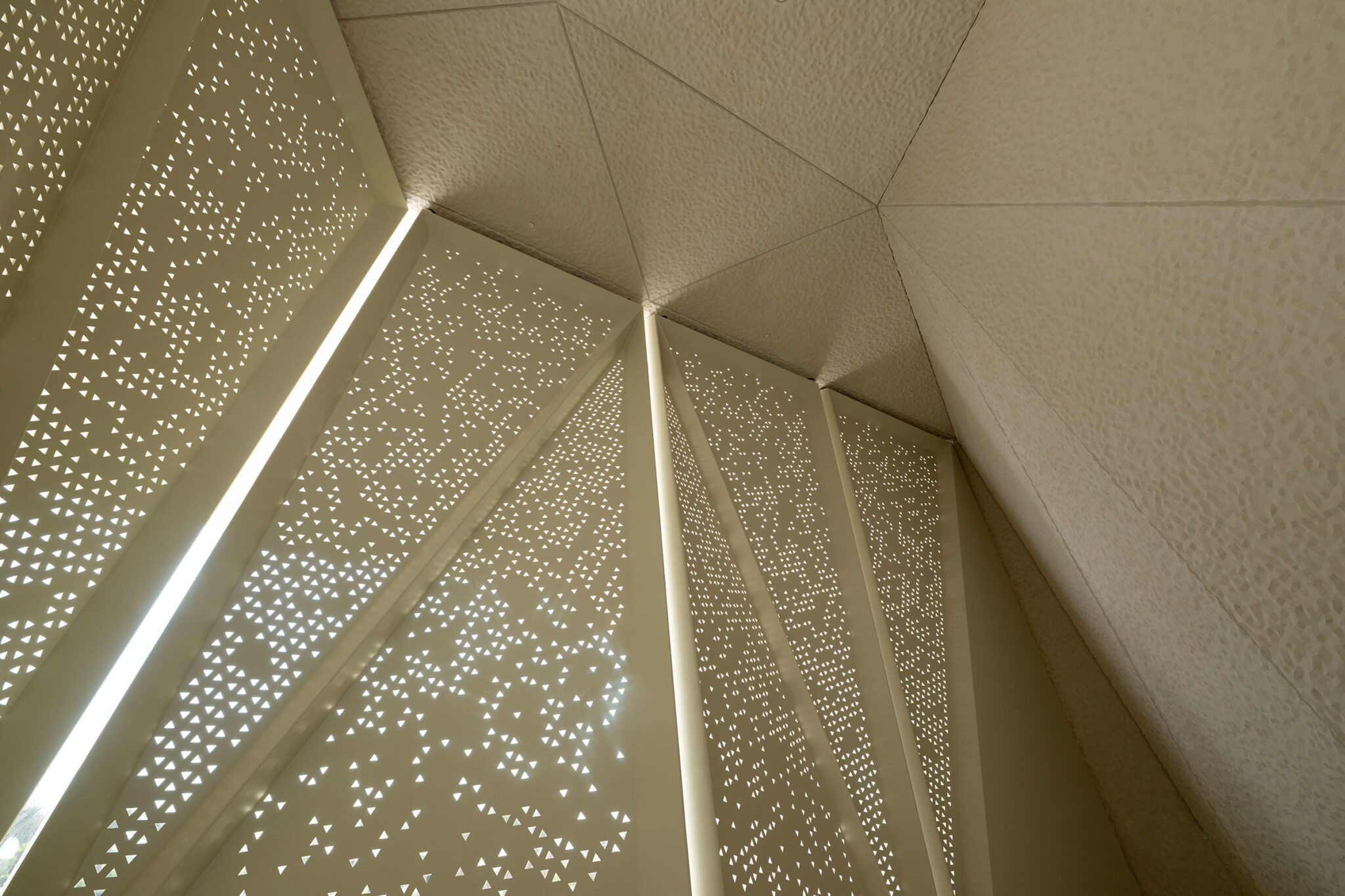
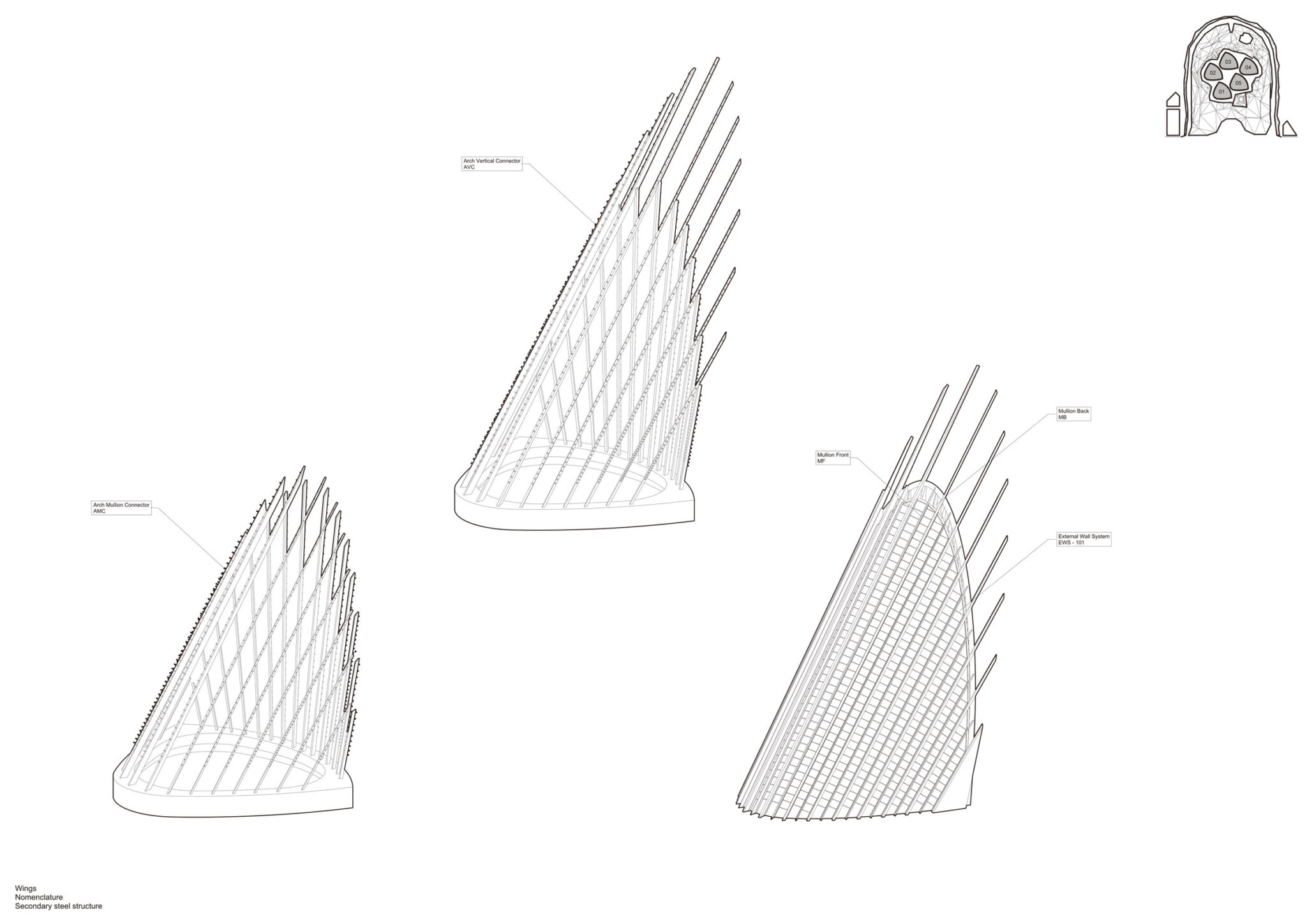
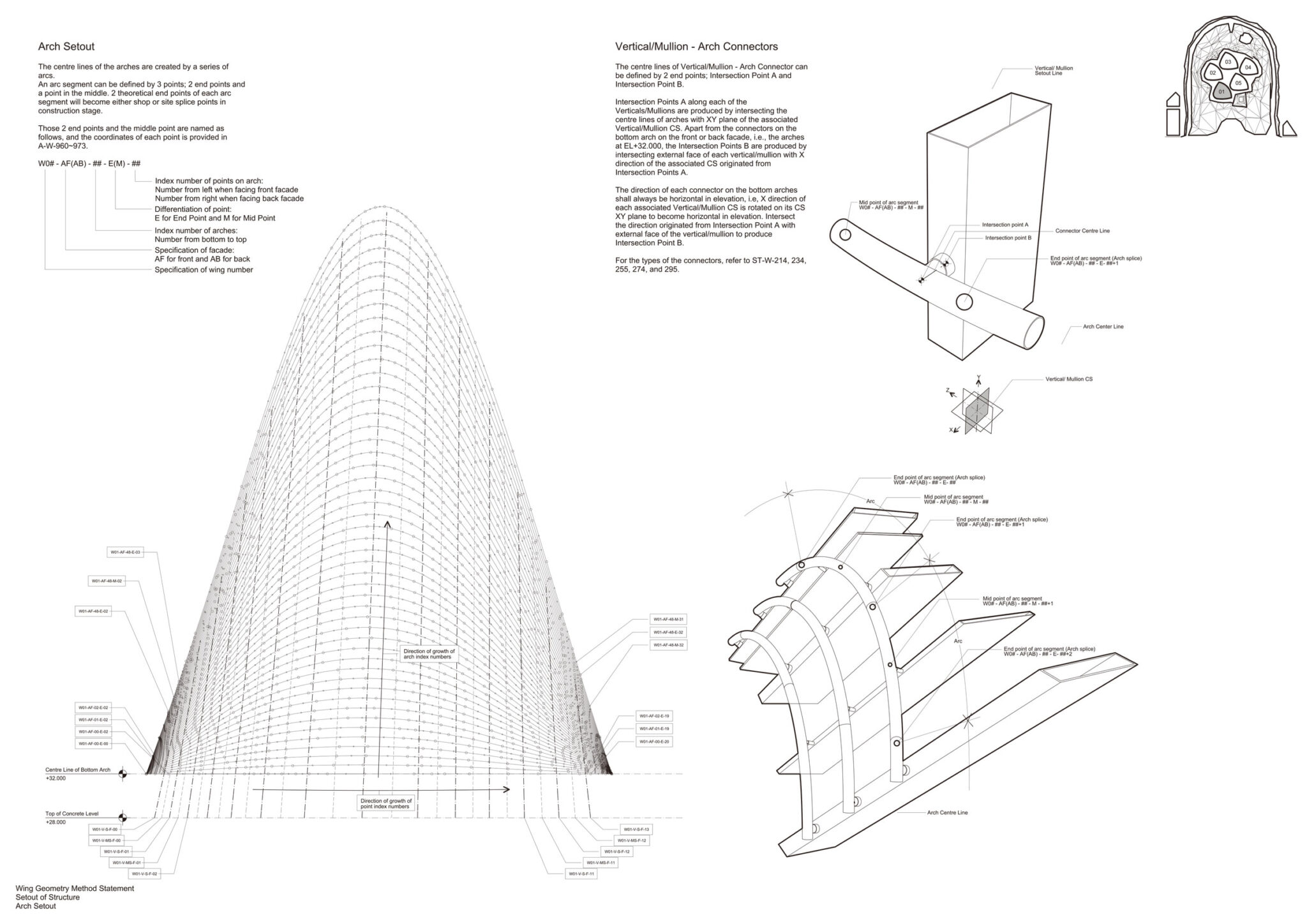
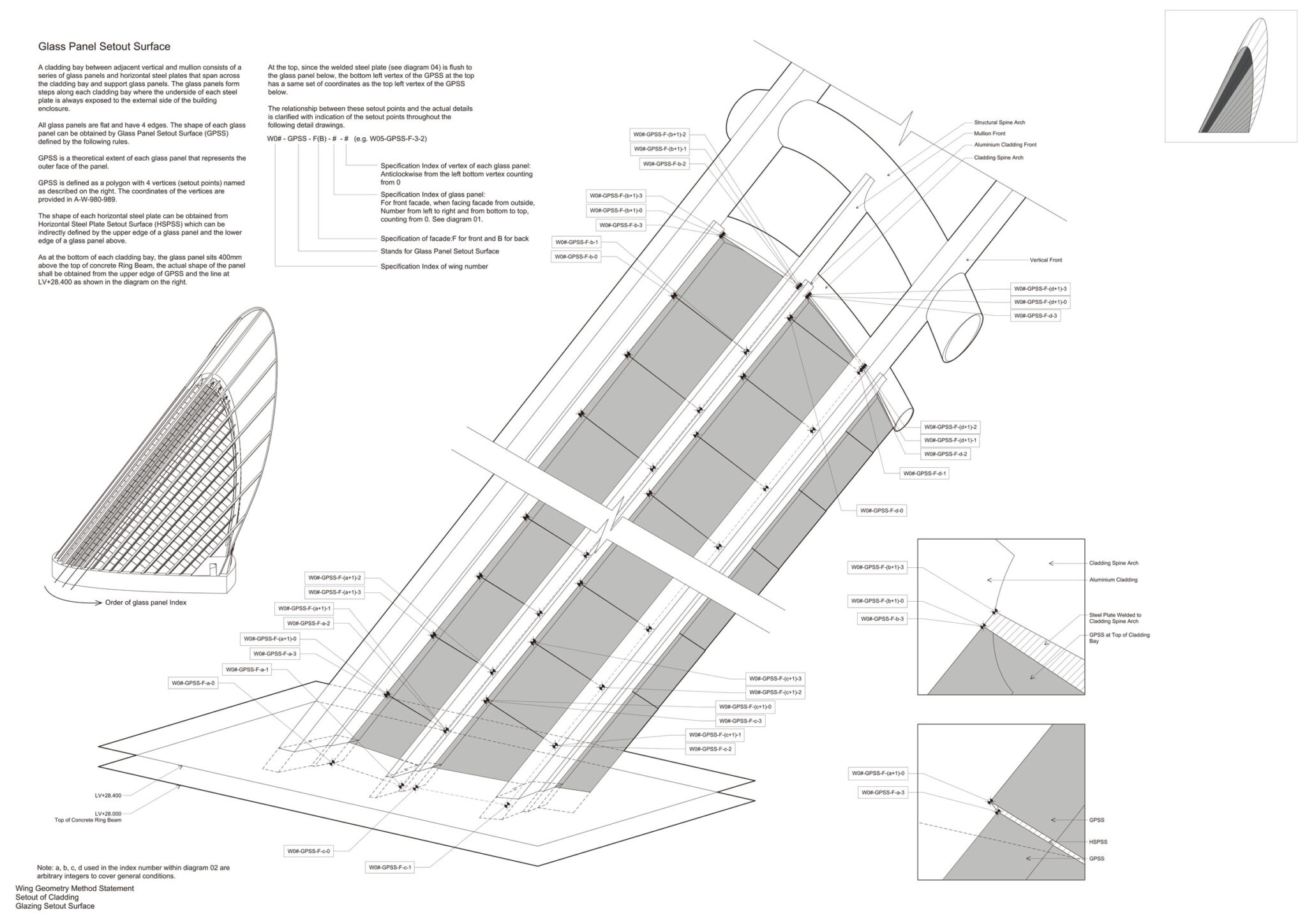
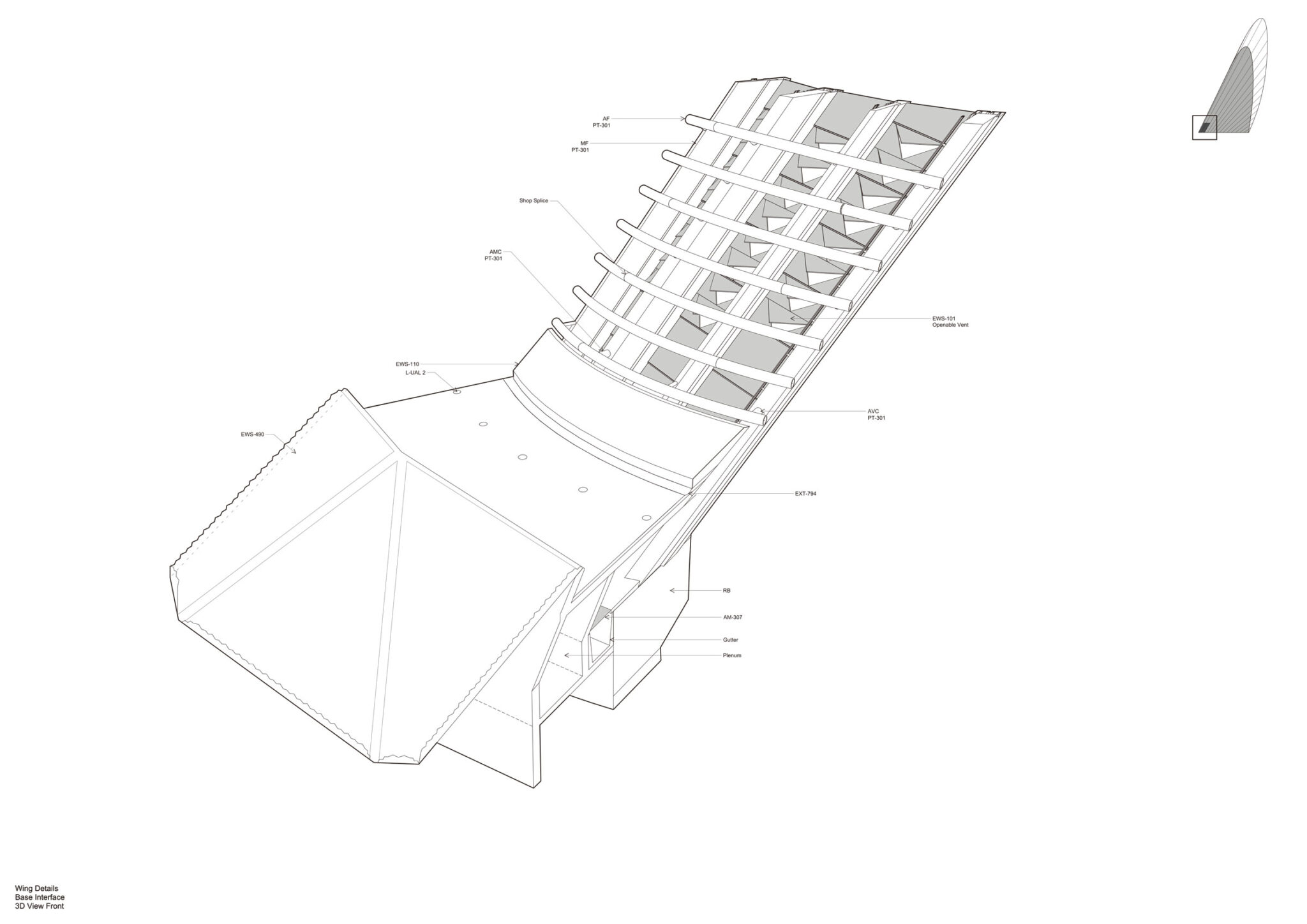
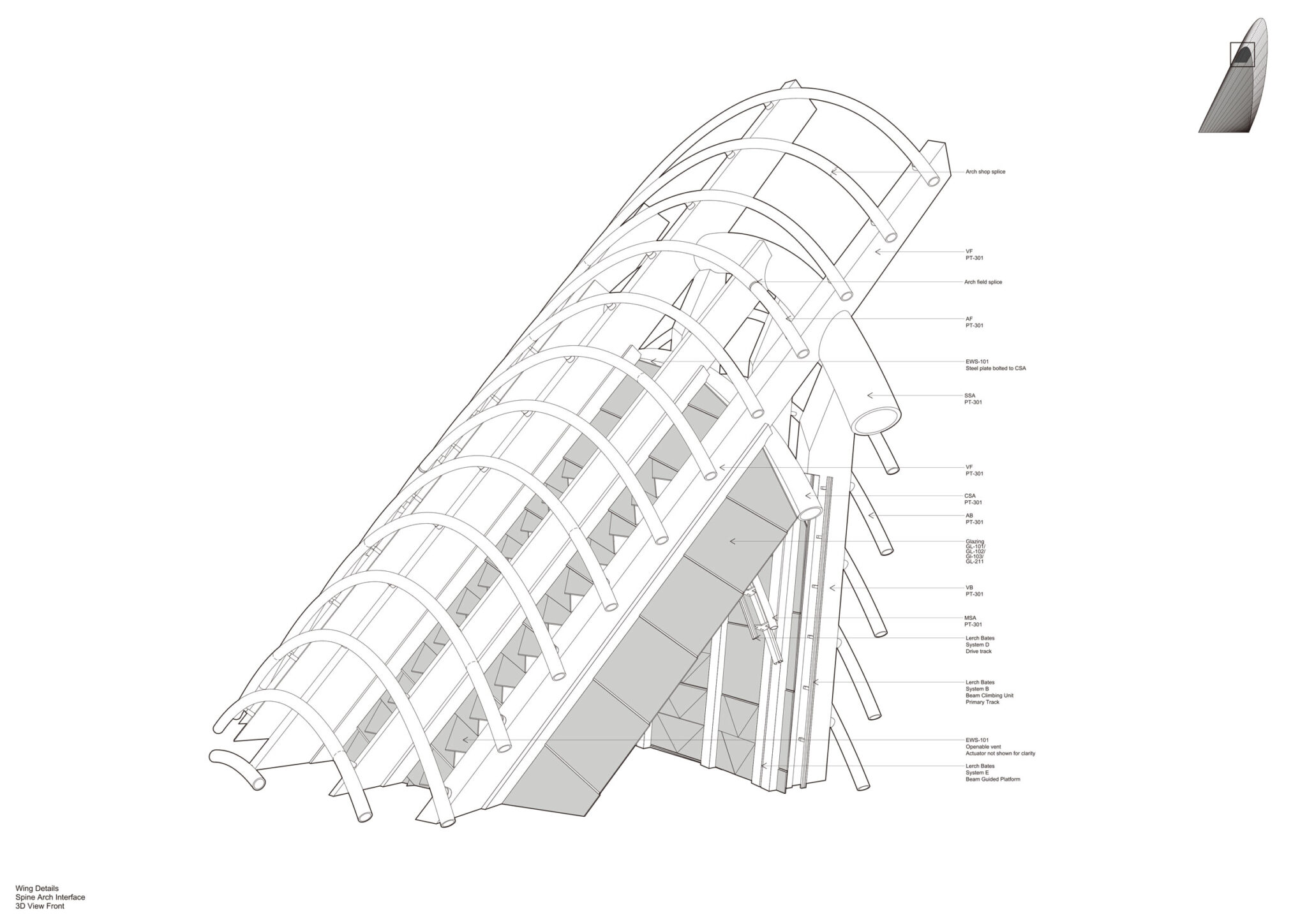
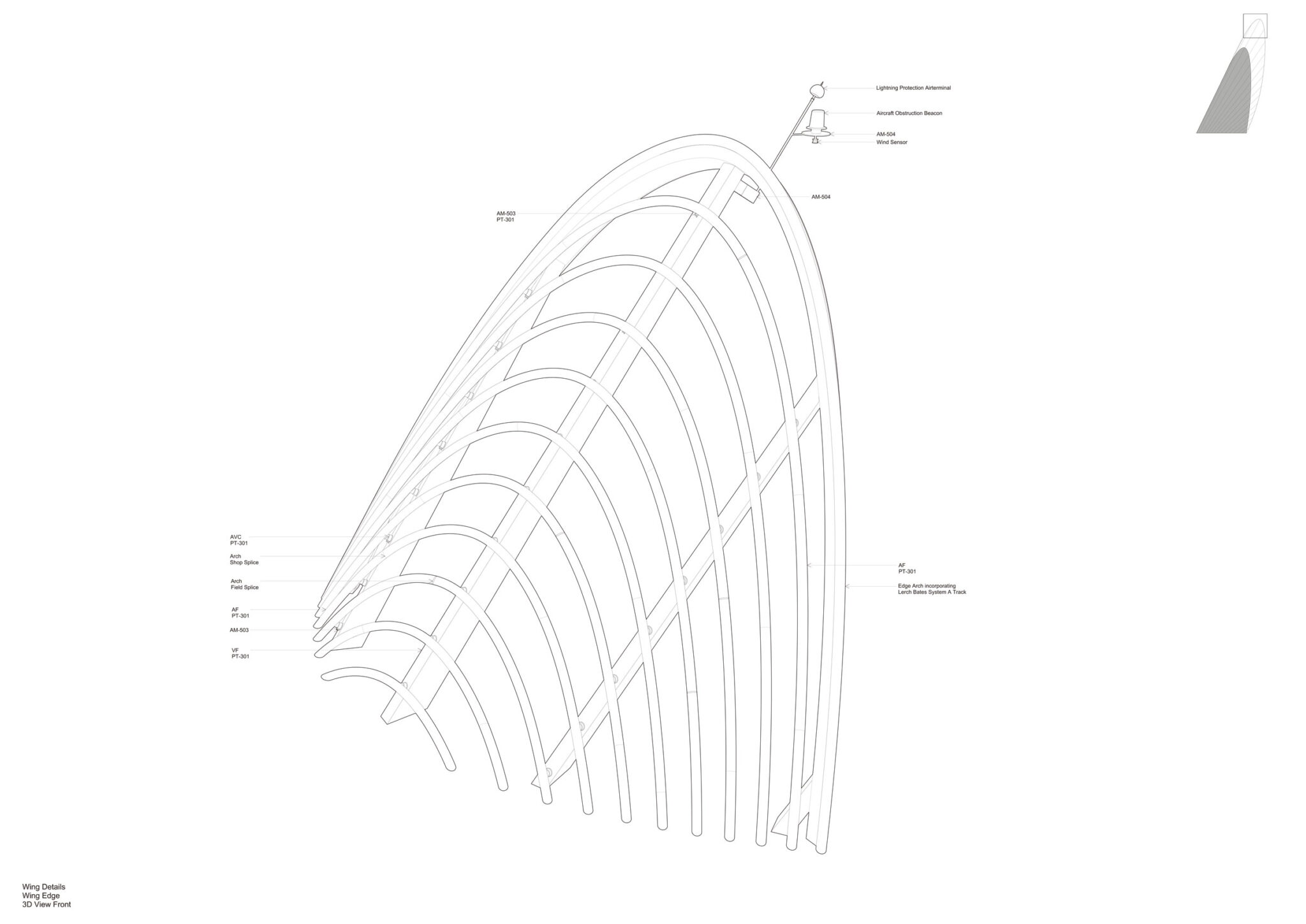
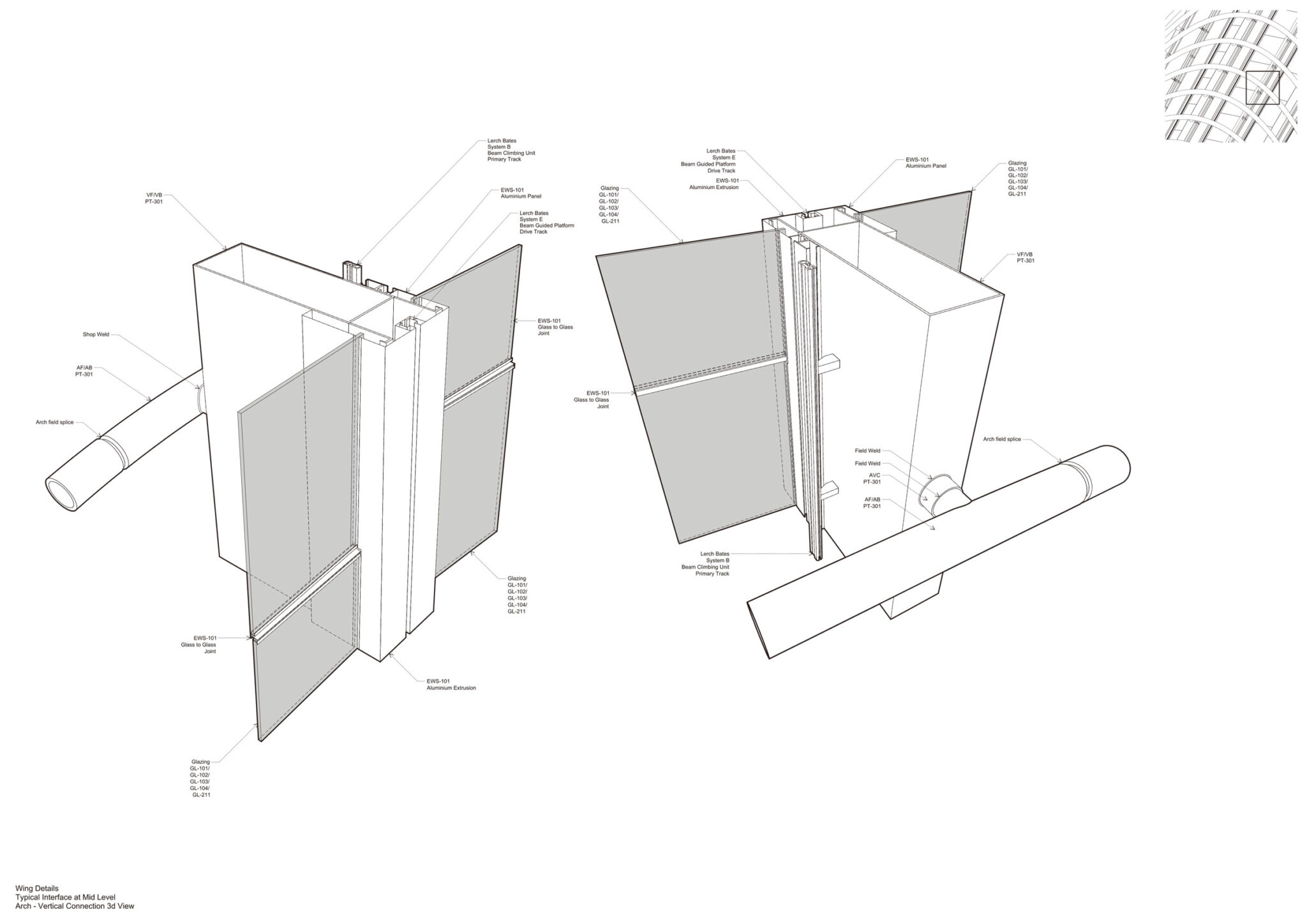
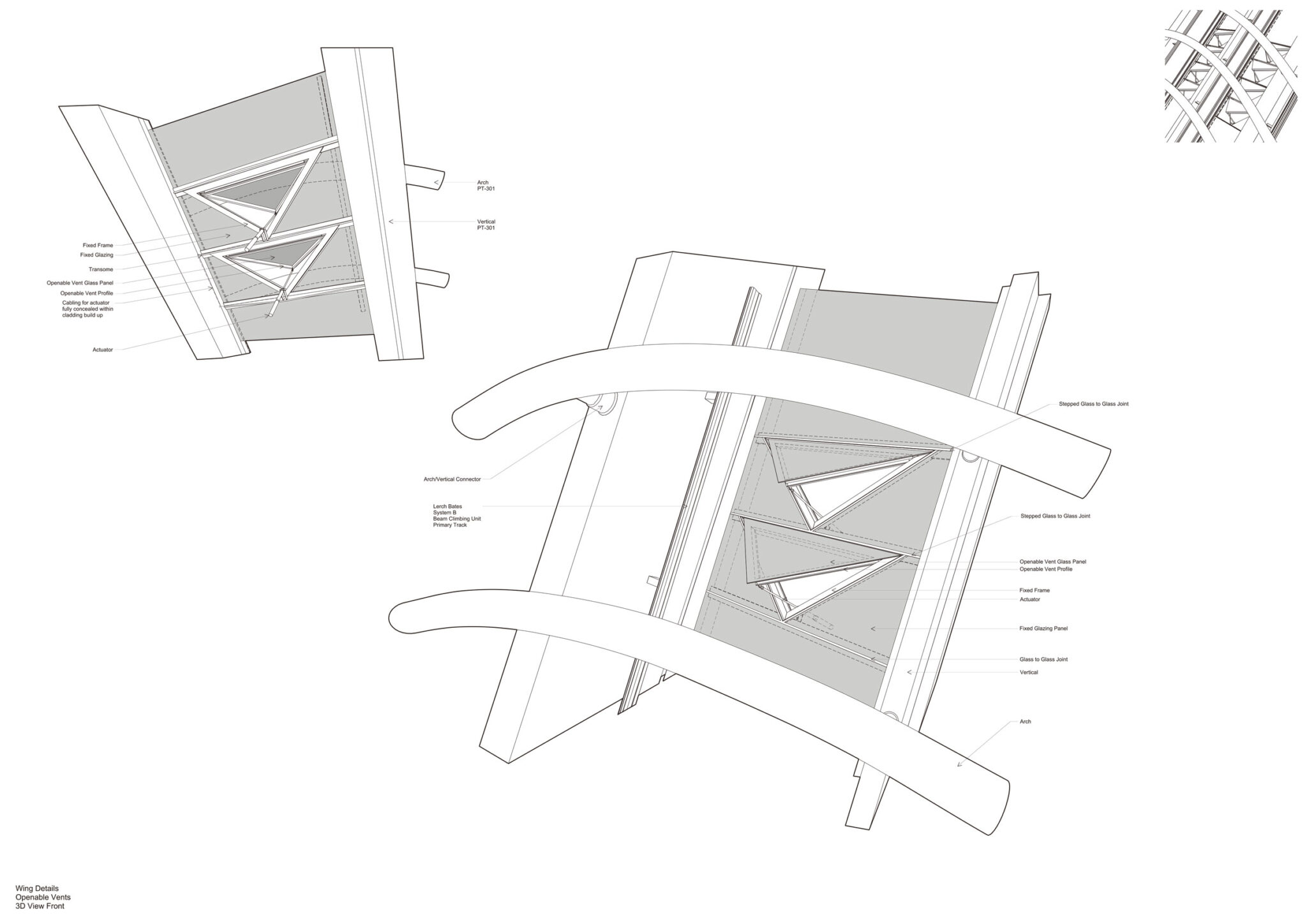
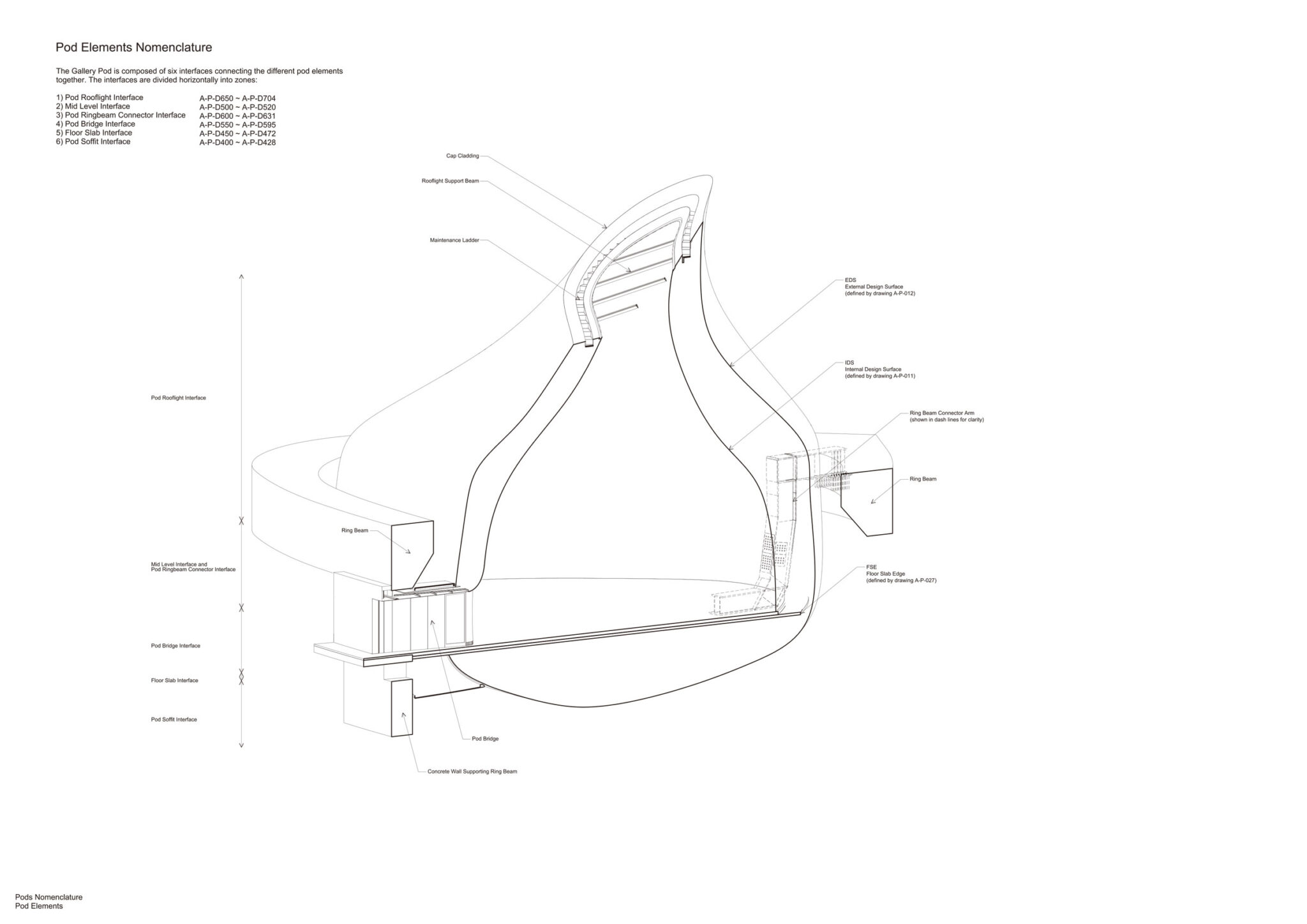
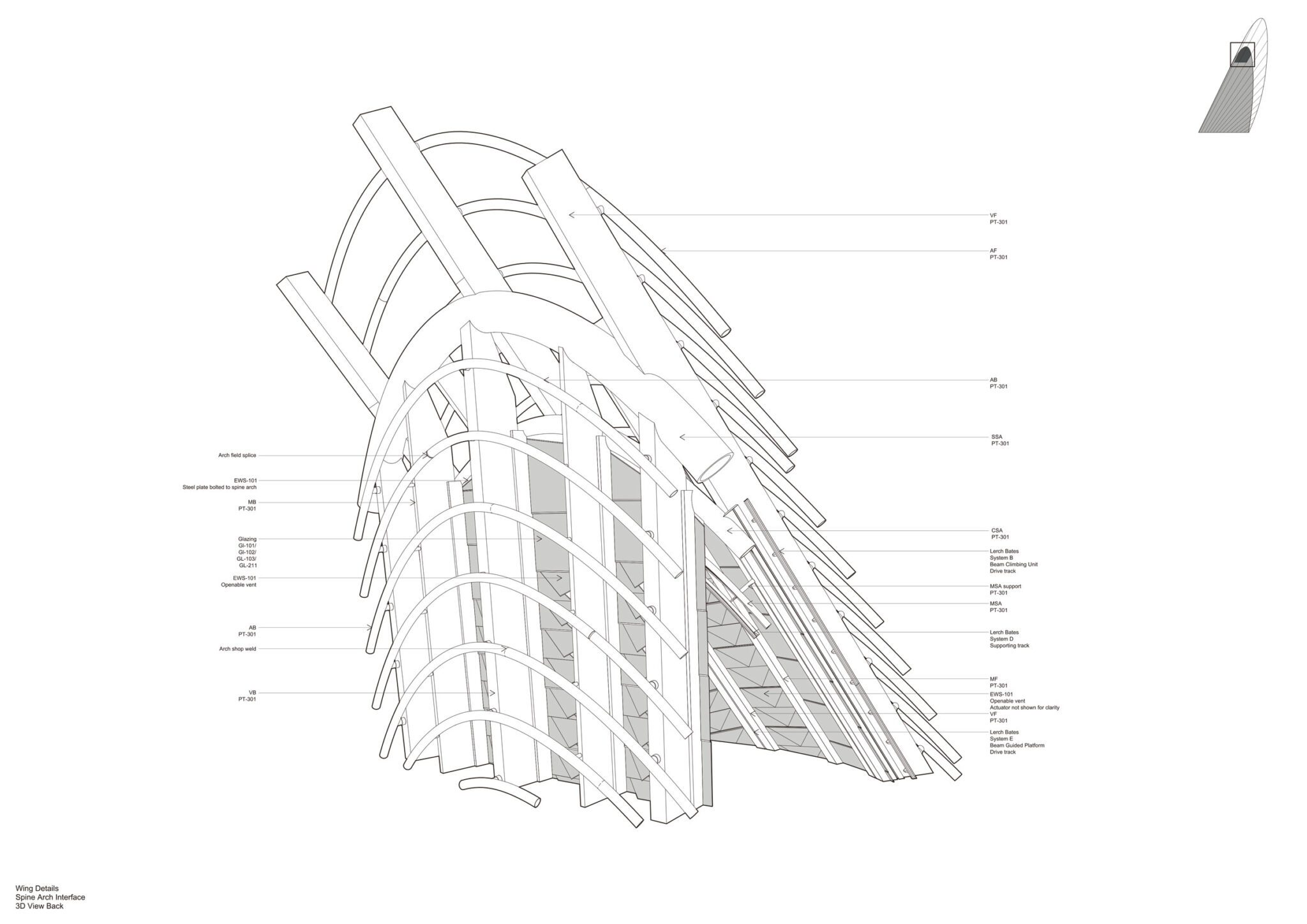
The museum’s five lightweight steel wings are part of the system of natural ventilation. Air vents open at the top of the towers, taking advantage of the negative pressure on the lee-side of the profile to draw hot air out from the atrium, assisted by the thermal effect of the heat build-up on the tips of the wings. Air that has been naturally cooled through pipes buried deep below the desert floor then flows into the atrium through a low-level ventilation system. The wings are glazed to channel natural light into the galleries below, and each one is individually tuneable.
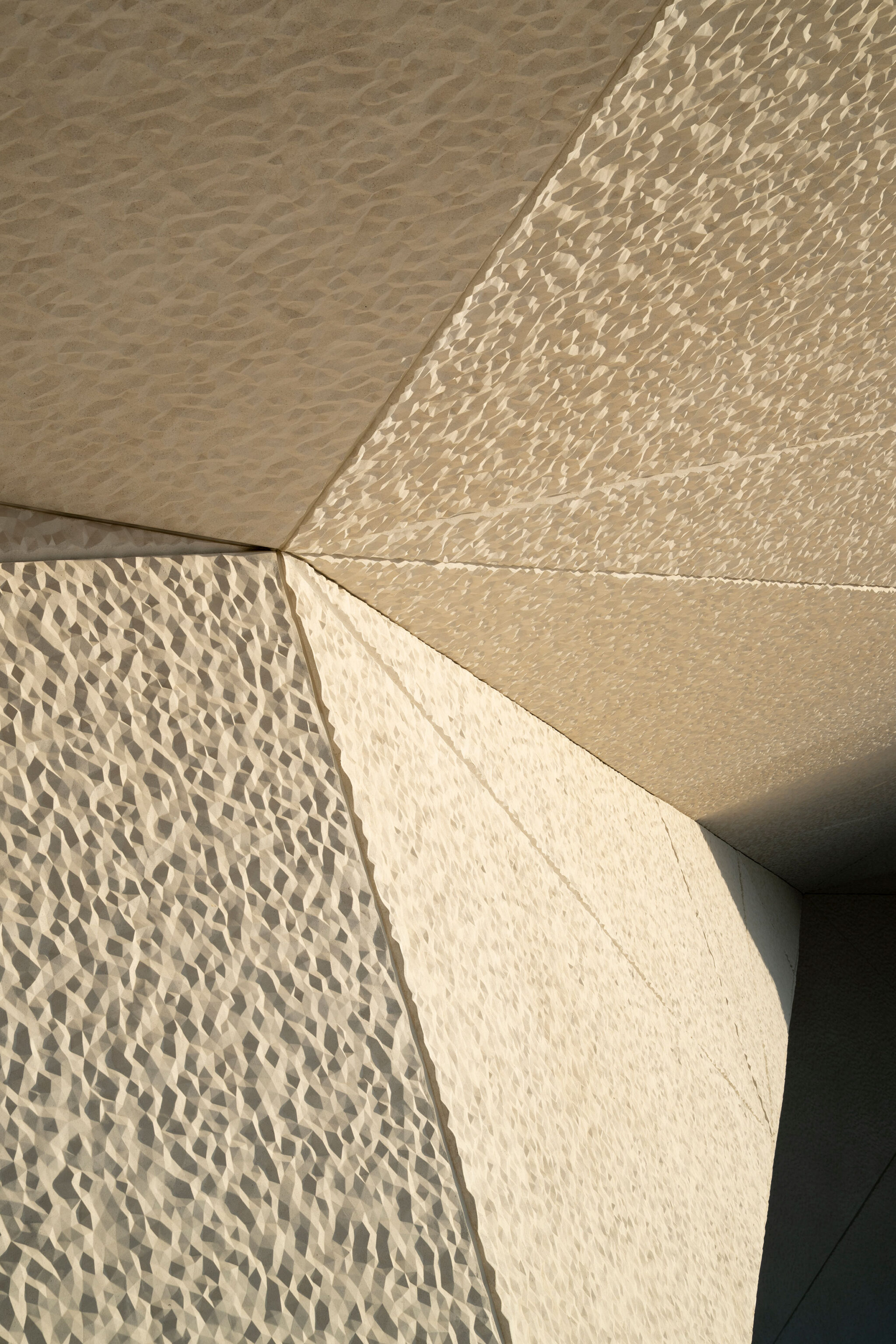
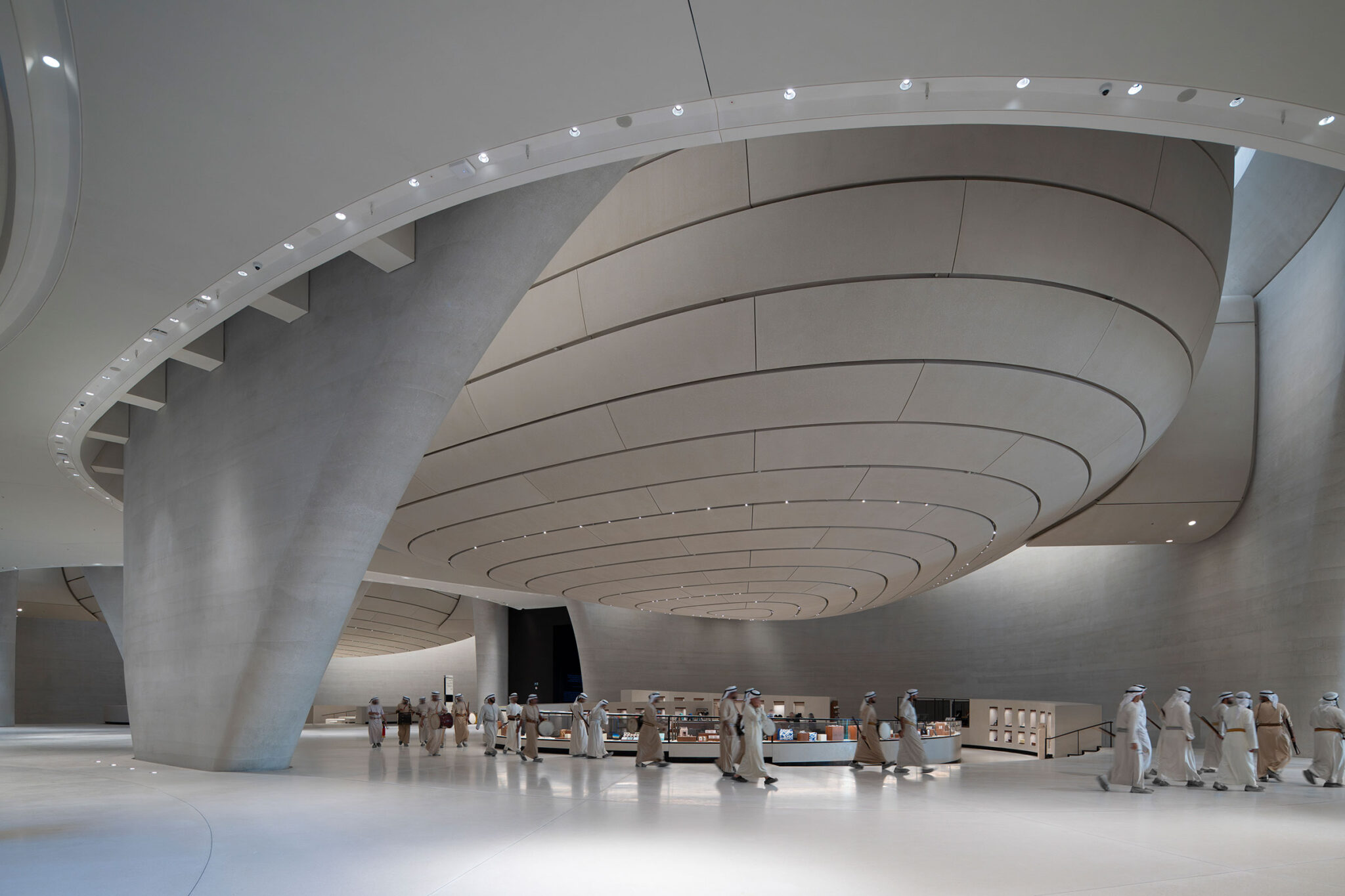
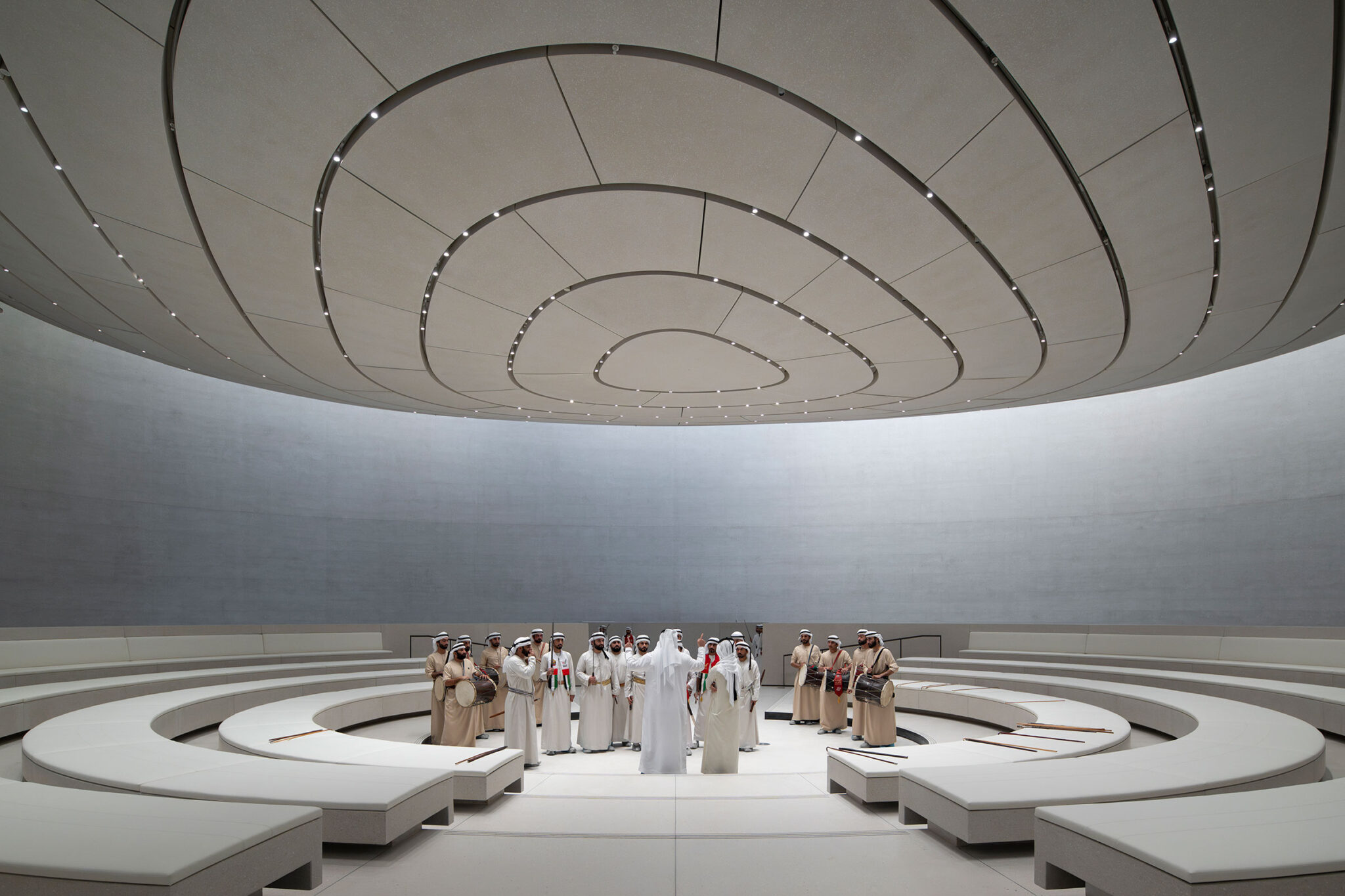
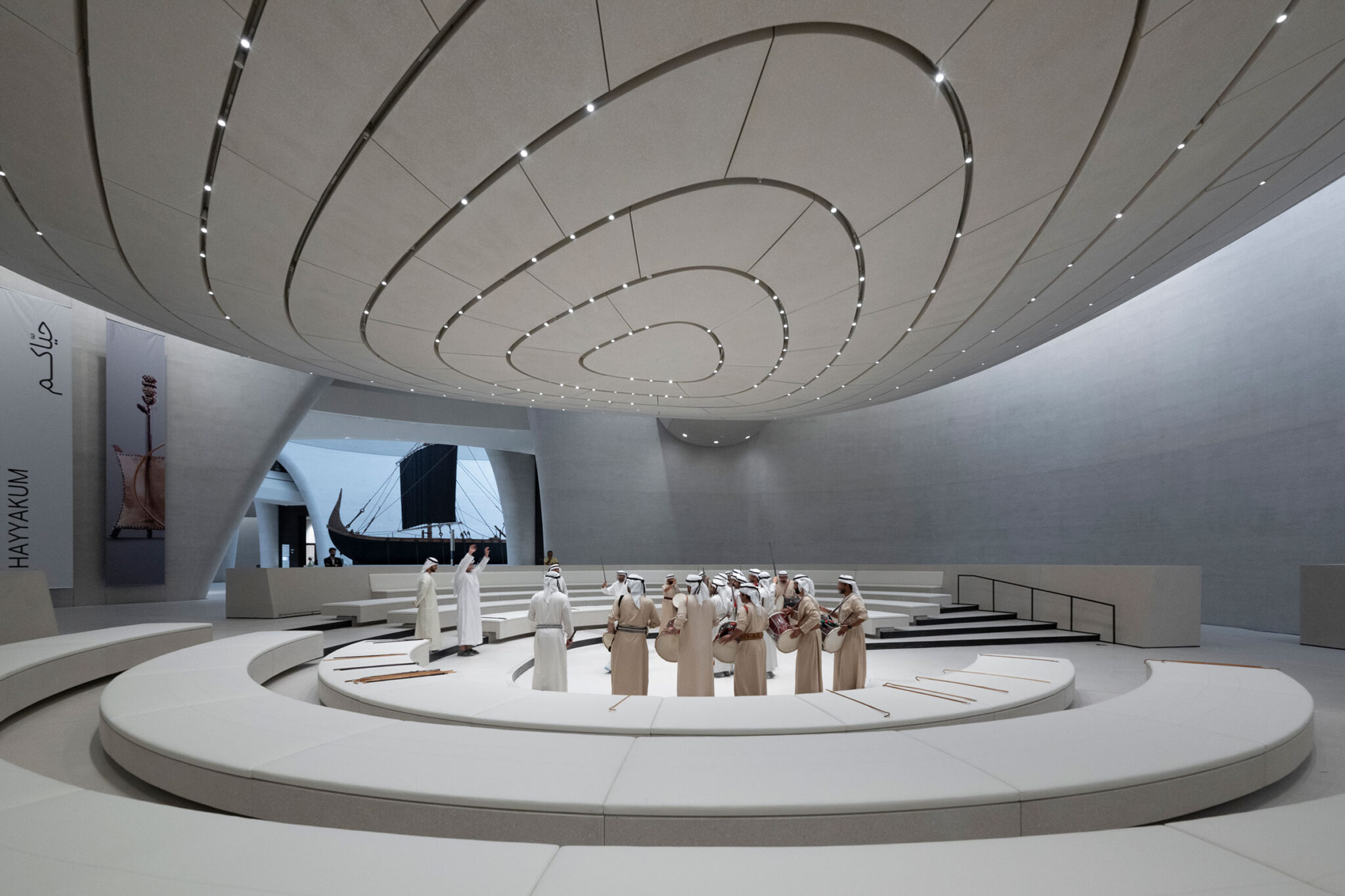
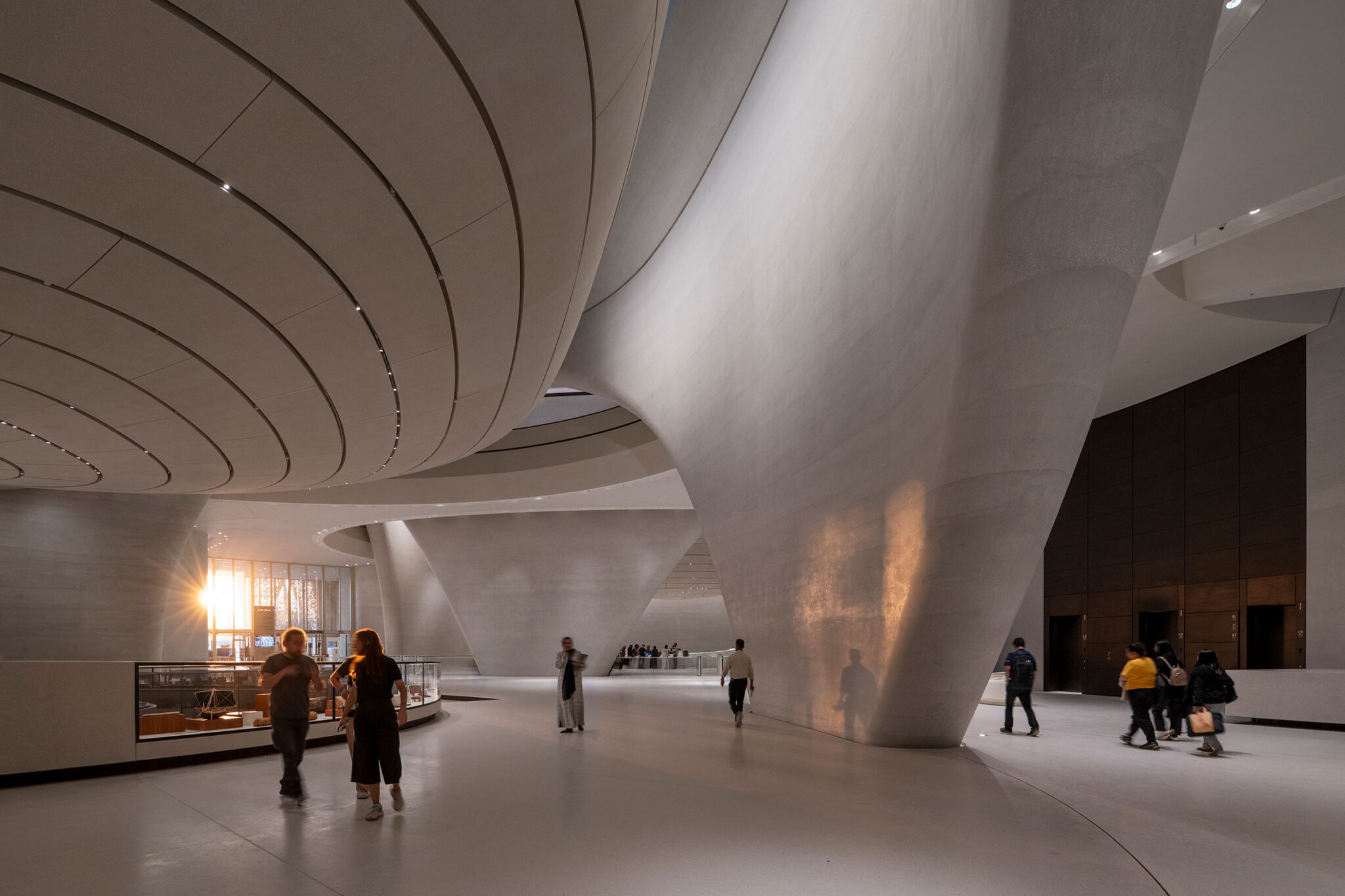
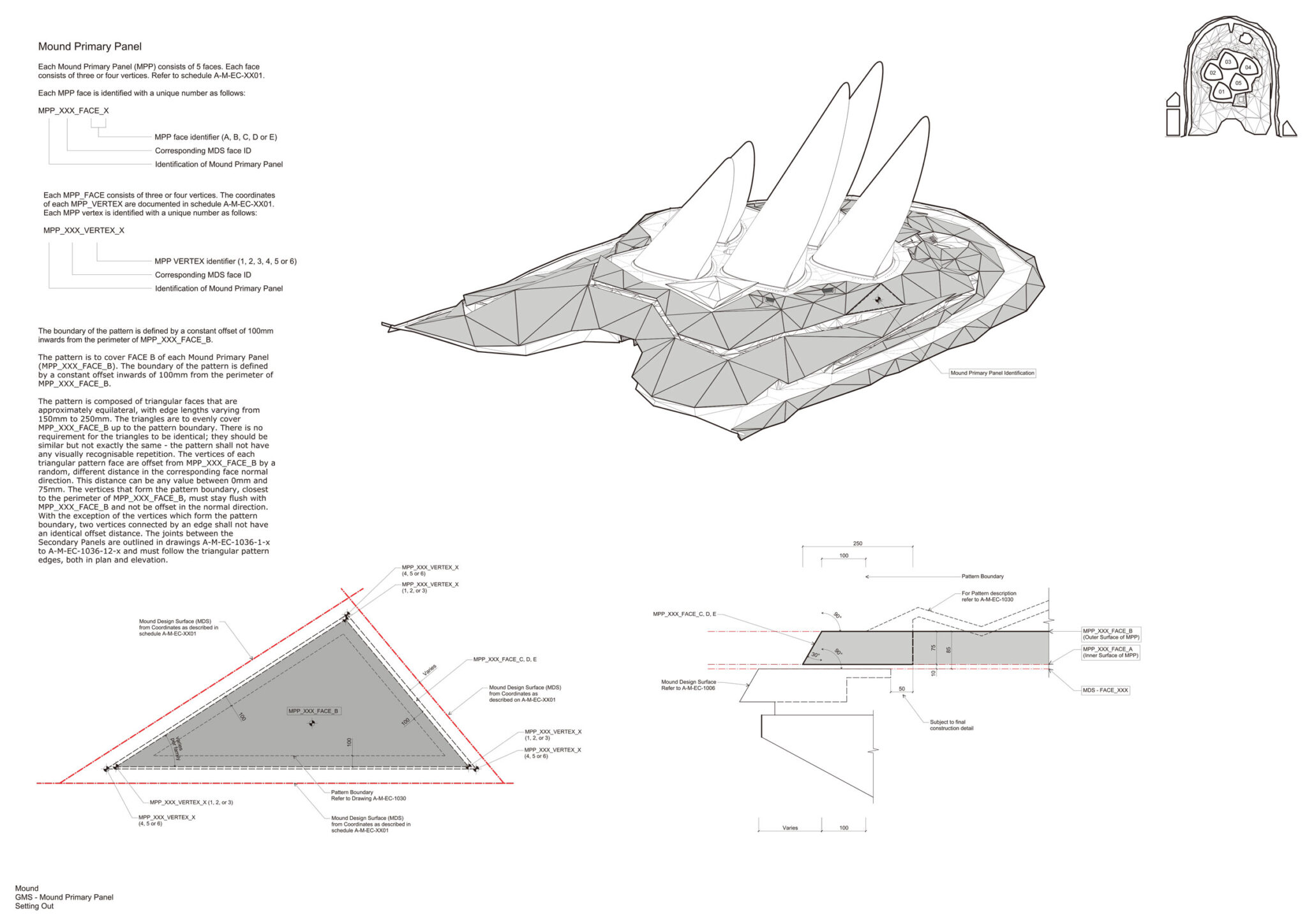
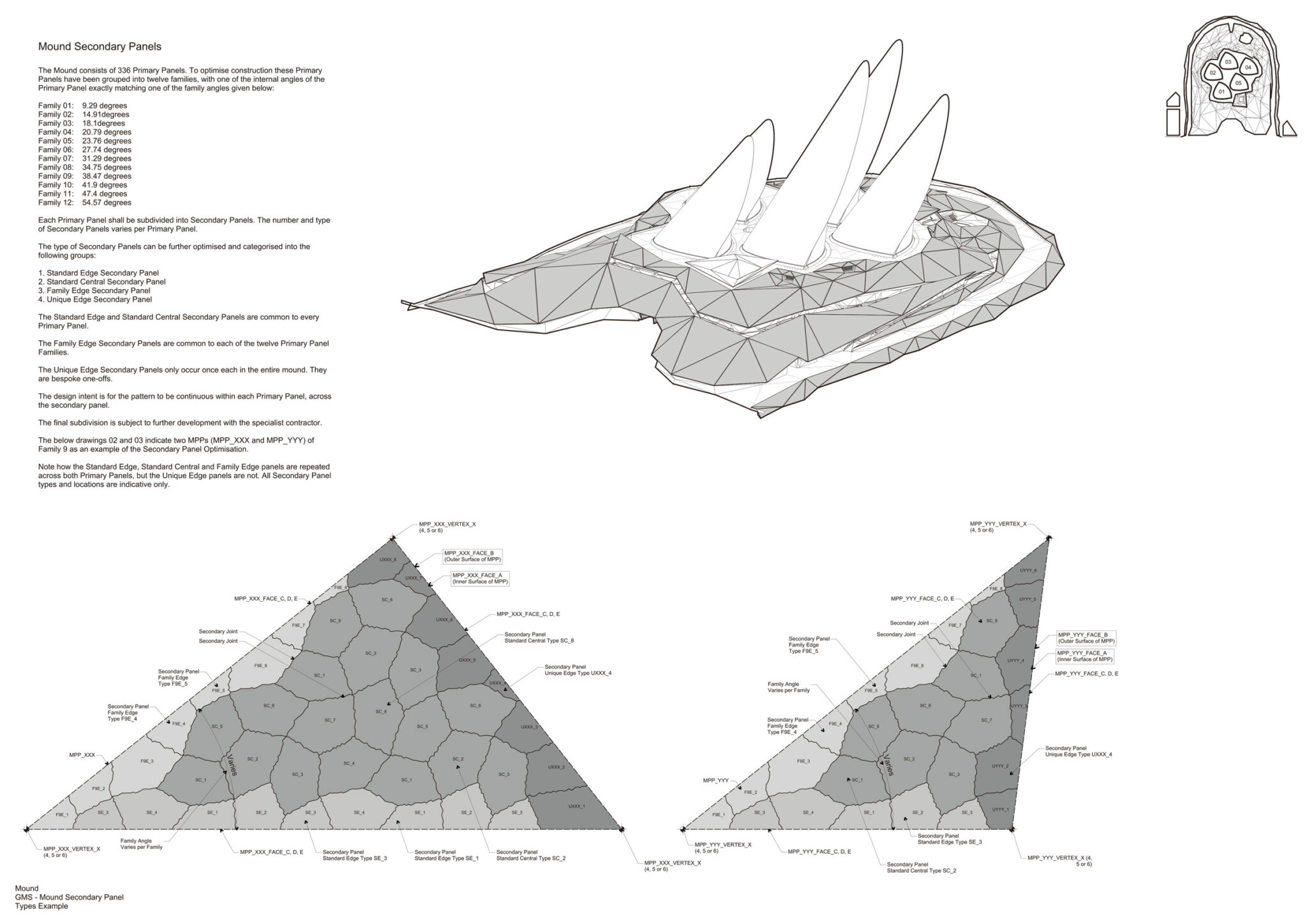
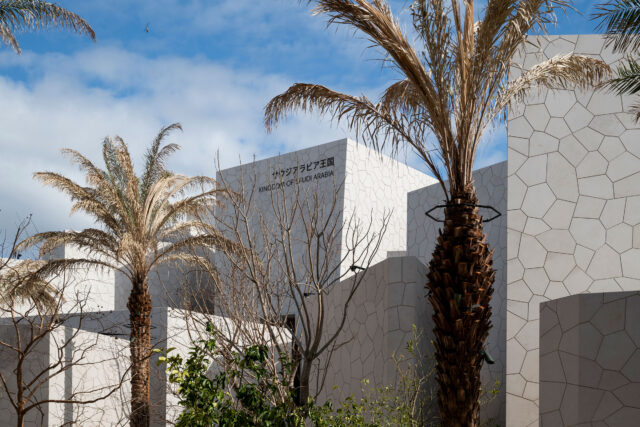
The museum spaces are located within a mound, which has textured faceted panels that are an abstraction of the UAE’s topography. The mound insulates the interior spaces from solar gain, forming a protective shield that prevents heat from entering the building. When visitors step inside the museum, they enter the light-filled atrium, or Al Liwan, which serves as both a meeting and orientation space, hosting performances such as traditional dance and poetry.
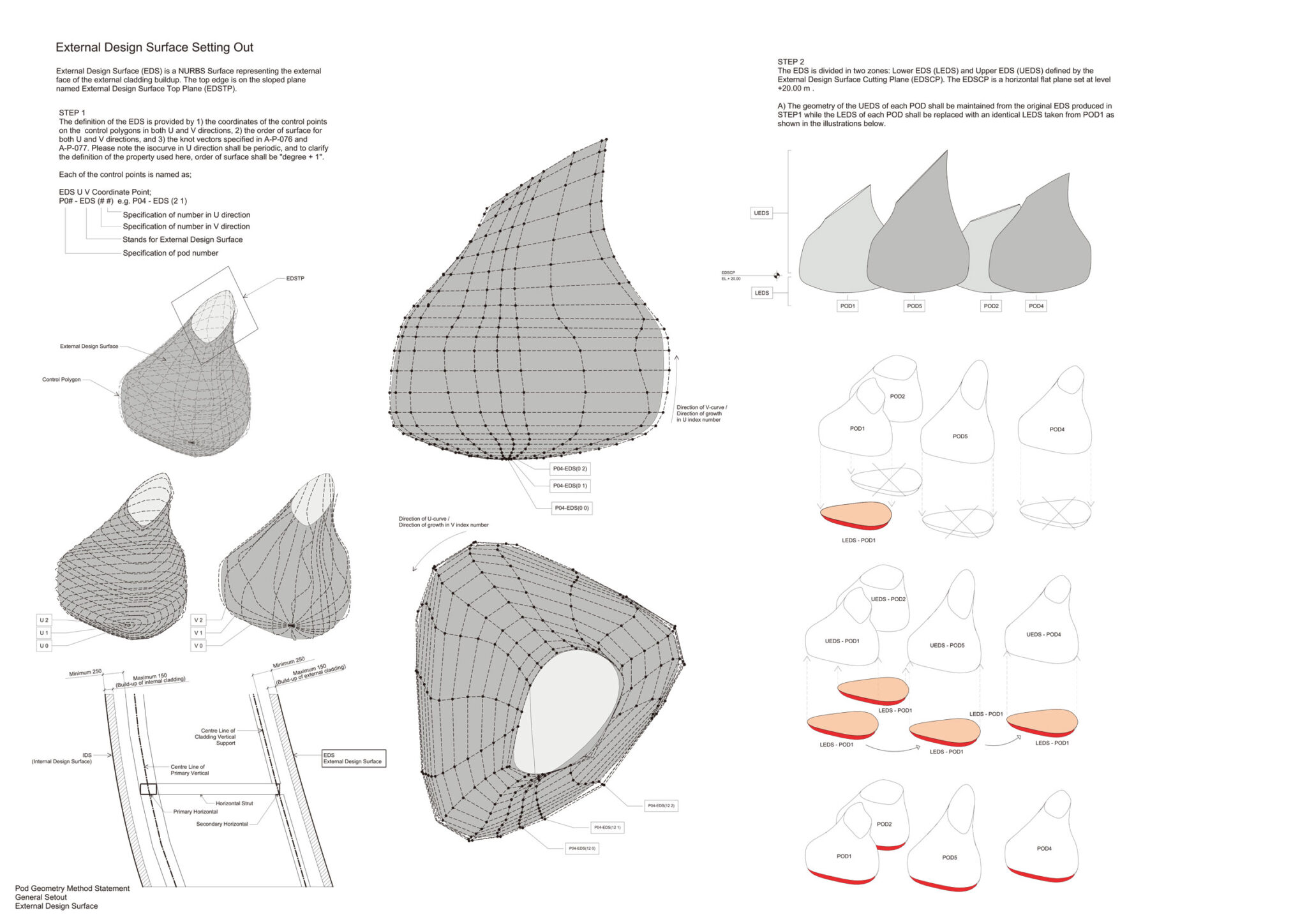
Of the six permanent galleries, four pod-shaped galleries are suspended above Al Liwan, and provide controlled environments to protect the sensitive artefacts on display. The towers’ triple-laminated glazing moderates the amount of daylight entering the lobby and the gallery spaces. The glazing includes a dense mesh interlayer, and each pod has a rooflight made of electrochromic glass that changes its transparency in response to outside light levels.
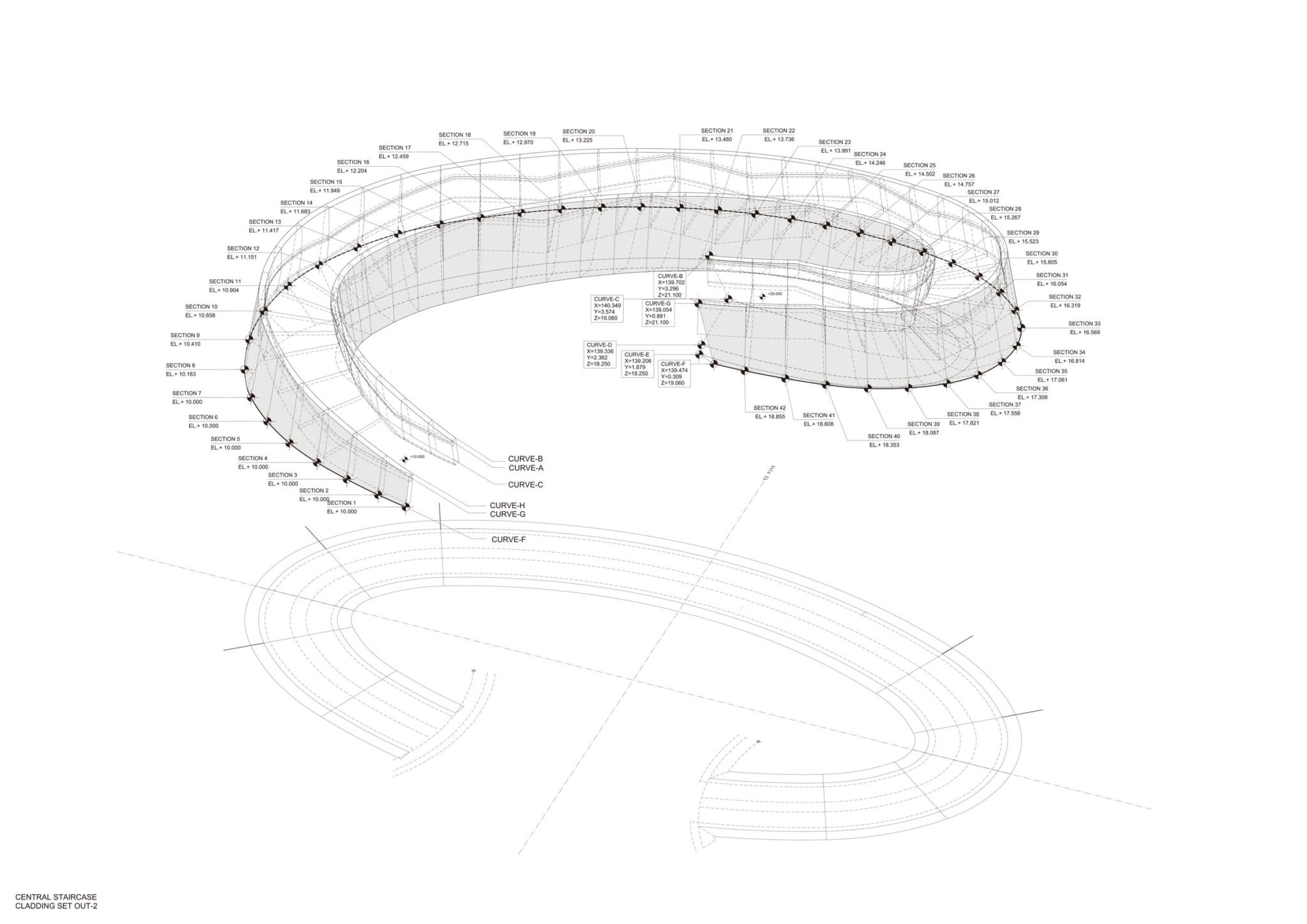
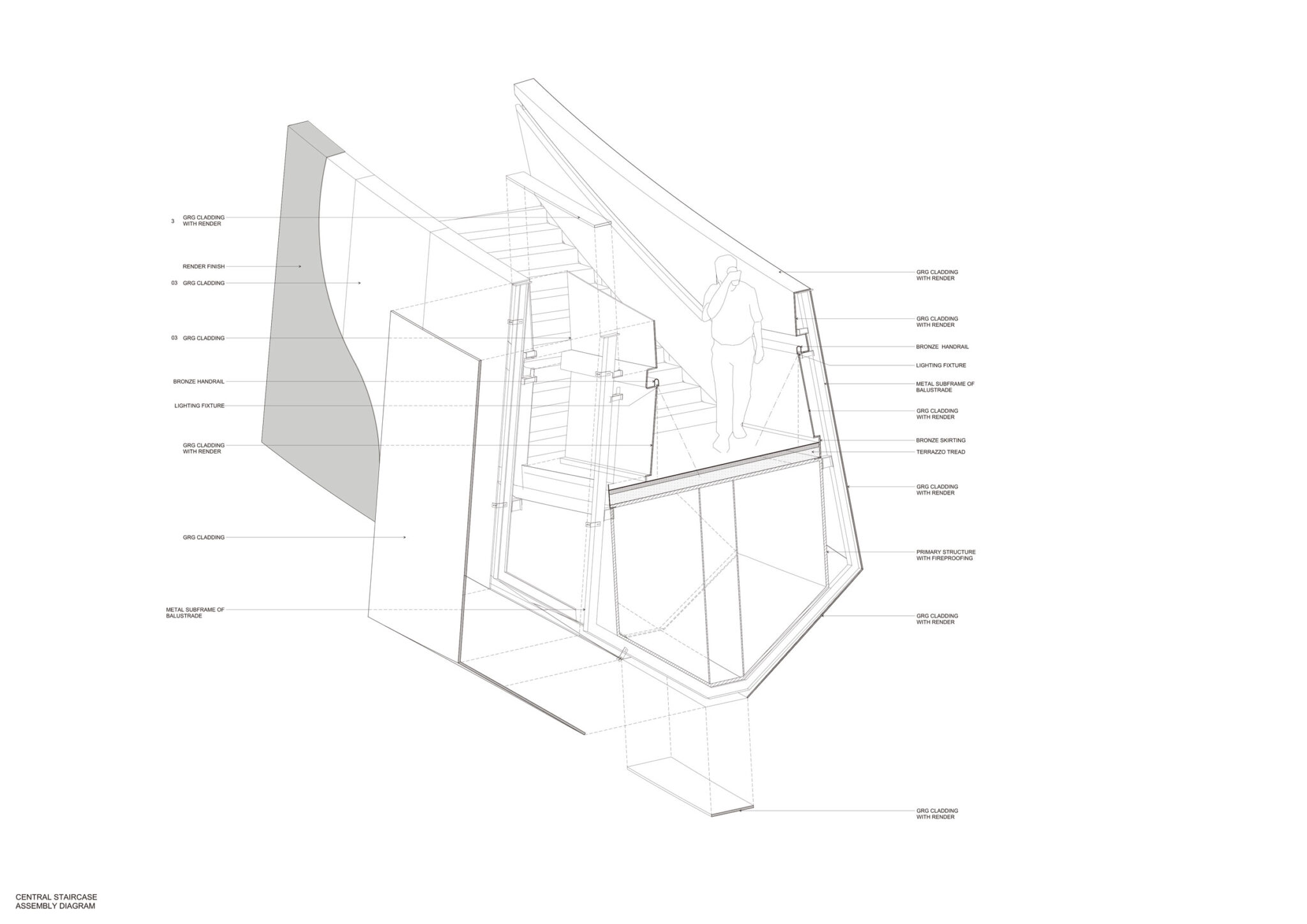
Each of the pod-shaped galleries is curated to reflect a specific theme, while the connecting nodal spaces provide contextual information that tie them together. Visitors can choose their own route through the different galleries and make their way to the upper level via a sculptural spiral staircase or lifts. At ground level, there are also two more permanent gallery spaces that are near to the museum’s entrances, as well as a temporary exhibition space, a fine dining restaurant, and a cafe.
Outside the museum building, Sheikh Zayed’s love of nature is represented by the Al Masar Garden, which links the building to the coast. Integrating landscape and heritage, the garden is intended as a new community asset, with spaces for socialising, play, and reflection. Visitors are also invited to take a shaded route from ground level to a viewing platform at the top of the mound, at the base of the steel towers, which offers panoramic views of the surrounding area.
Materials have been carefully selected to resonate with the local surroundings and mirror historic buildings across the seven Emirates, which reflect the changing colour of the sand in different locations. Building on this tradition, both the museum’s exterior and its interior spaces mirror the distinctive warm-white shade of sand that is found on Saadiyat Island.
The project has been delivered in close collaboration with the Department of Culture and Tourism in Abu Dhabi.
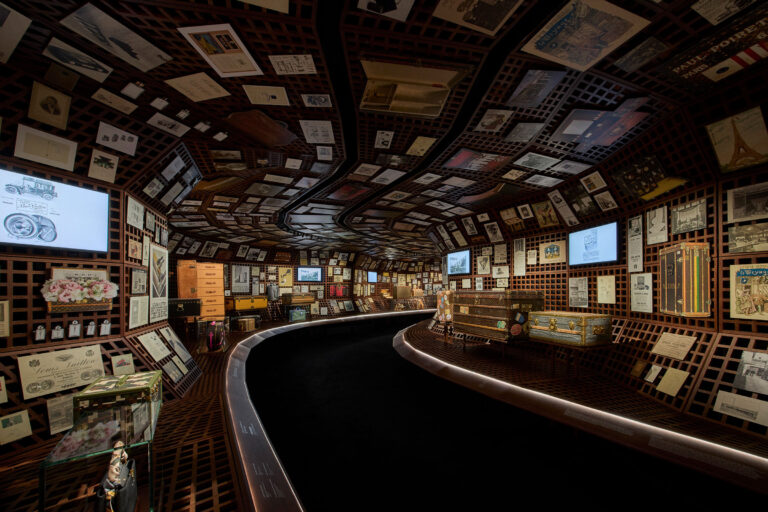
OMA / 重松象平の空間デザインによる、韓国・ソウルでの展覧会「ヴィジョナリー・ジャーニーズ」。老舗百貨店でのルイ・ヴィトンの展示。過去の専用エリアでの展開と異なり、建物の構成を活かした“小売空間と公共空間を繋ぐコネクター”としても構想。11のテーマ別ギャラリーと2つのインスタレーションを考案Trunkscape(トランクスケープ) photography by Kwa Yong Lee, courtesy Louis VuittonOMA / 重松象平の空間デザインによる、韓国・ソウルでの展覧会「ヴィジョナリー・ジャーニーズ」。老舗百貨店でのルイ・ヴィトンの展示。過去の専用エリアでの展開と異なり、建物の構成を活かした“小売空間と公共空間を繋ぐコネクター”としても構想。11のテーマ別ギャラリーと2つのインスタレーションを考案ランタンの様な巨大なトランクのインスタレーション photography by Kwa Yong Lee, courtesy Louis VuittonOMA / 重松象平の空間デザインによる、韓国・ソウルでの展覧会「ヴィジョナリー・ジャーニーズ」。老舗百貨店でのルイ・ヴィトンの展示。過去の専用エリアでの展開と異なり、建物の構成を活かした“小売空間と公共空間を繋ぐコネクター”としても構想。11のテーマ別ギャラリーと2つのインスタレーションを考案Music(ミュージック) photography by Kwa Yong Lee, courtesy Louis VuittonOMA / 重松象平の空間デザインによる、韓国・ソウルでの展覧会「ヴィジョナリー・ジャーニーズ」。老舗百貨店でのルイ・ヴィトンの展示。過去の専用エリアでの展開と異なり、建物の構成を活かした“小売空間と公共空間を繋ぐコネクター”としても構想。11のテーマ別ギャラリーと2つのインスタレーションを考案Fashion(ファッション) photography by Kwa Yong Lee, courtesy Louis Vuitton
OMA / 重松象平が空間デザインを手掛けた、タイでの展覧会「ヴィジョナリー・ジャーニーズ」です。
老舗百貨店でのルイ・ヴィトンの展示です。建築家は、過去の専用エリアでの展開と異なり、建物の構成を活かした“小売空間と公共空間を繋ぐコネクター”としても構想しました。そして、11のテーマ別ギャラリーと2つのインスタレーションを考案しました。
アーキテクチャーフォトでは、OMA / 重松象平が手掛けた、タイでの「ヴィジョナリー・ジャーニーズ」展と、大阪での「ヴィジョナリー・ジャーニーズ」展も特集記事として掲載しています。