SHARE ヴァーナー・パントンの、ヴィトラでの展覧会の会場写真。色彩豊かな作品で知られるデザイナーの生誕100周年を記念した回顧展。活動の全期間に渡る仕事に光を当て、代表作から未公開のプロジェクトまで紹介。1970年の“伝説的な”作品を再現した体験型展示も公開

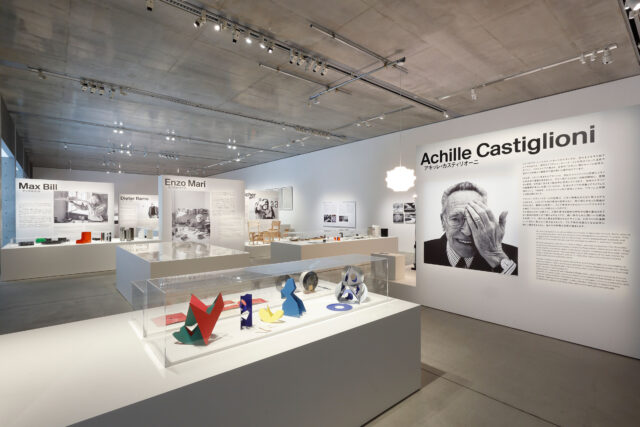
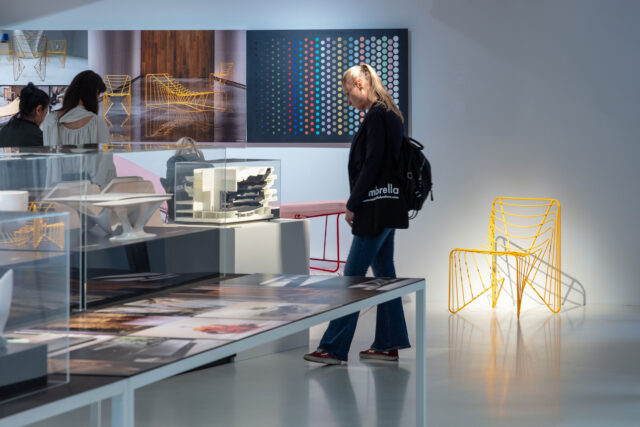
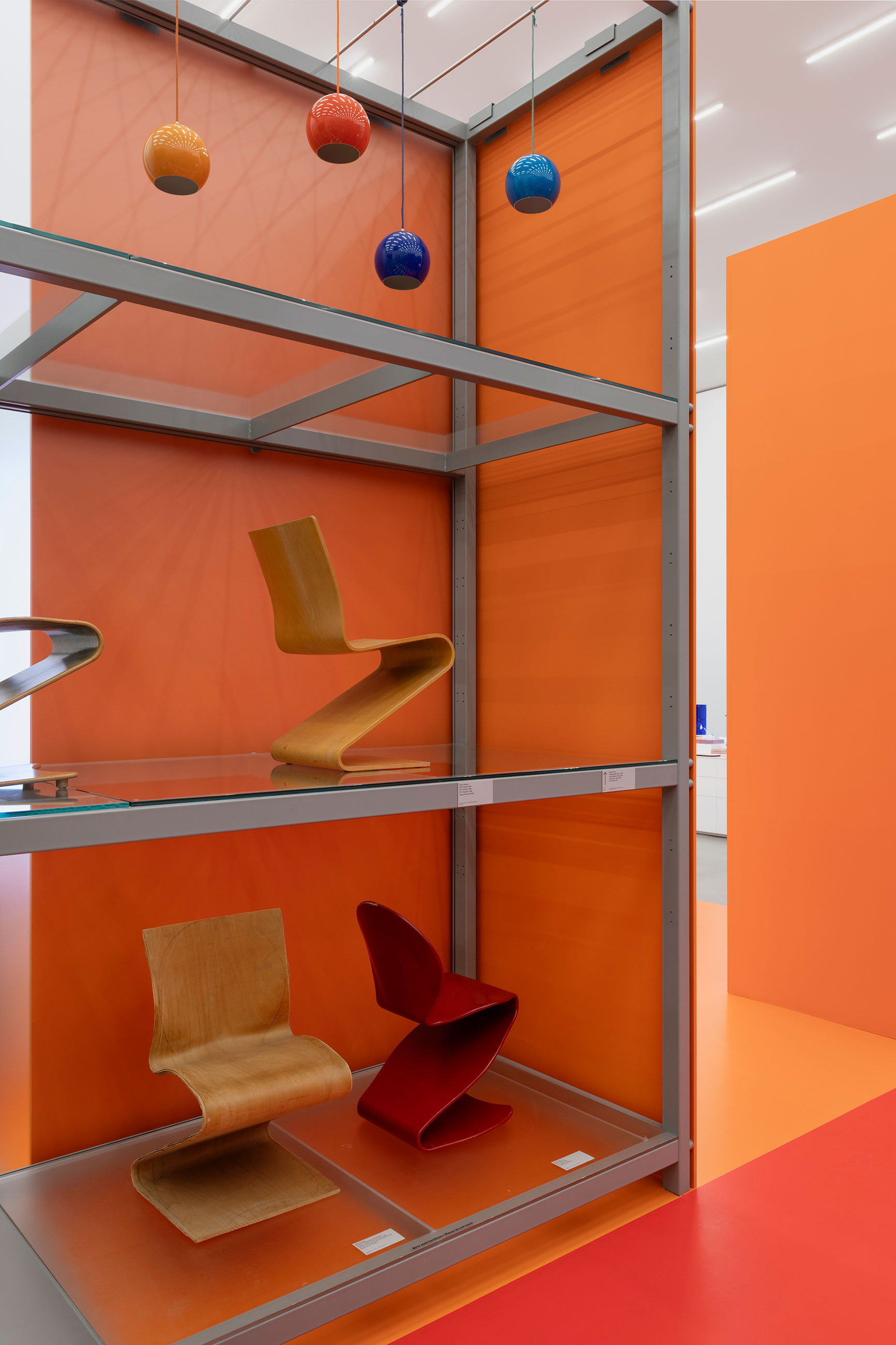
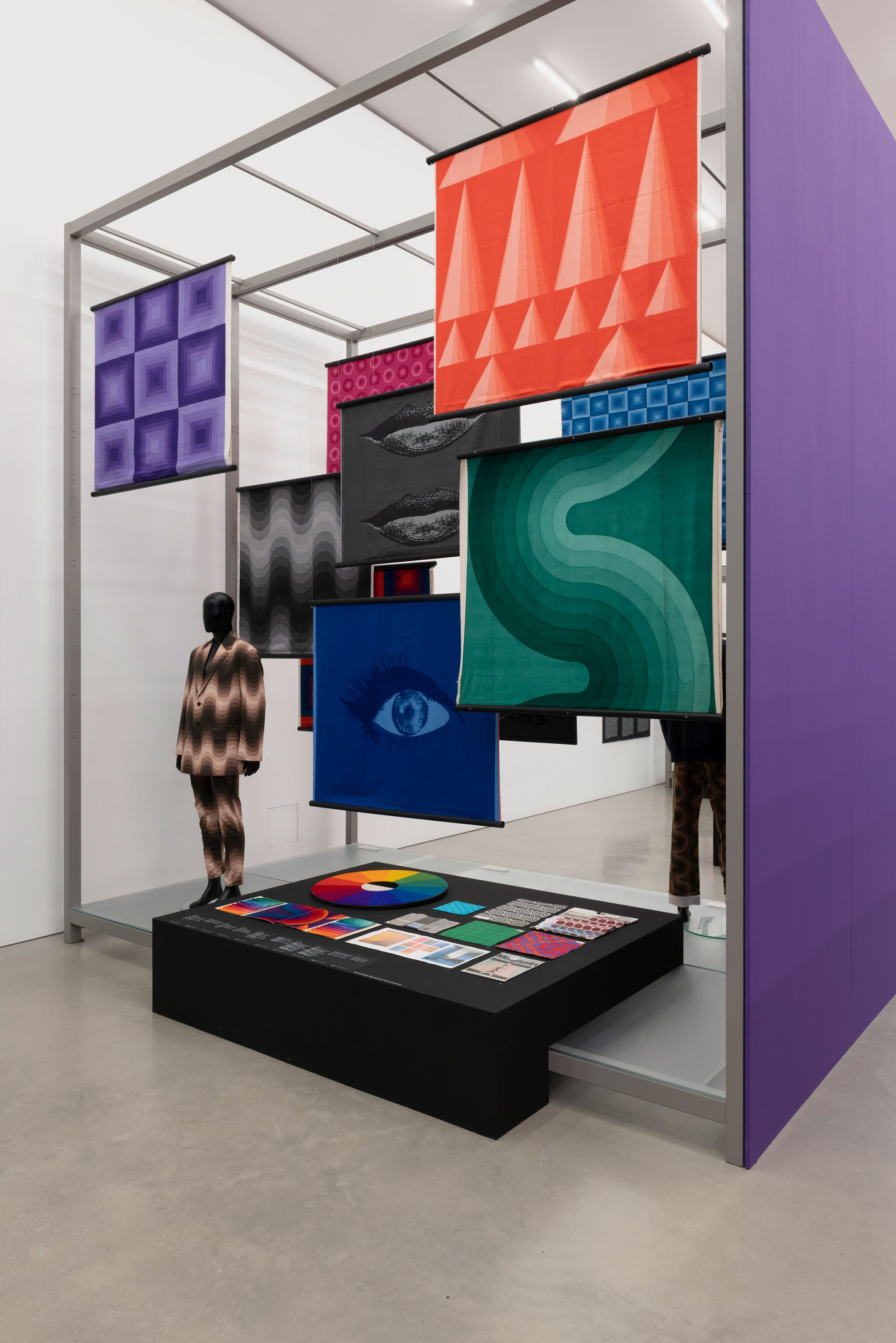
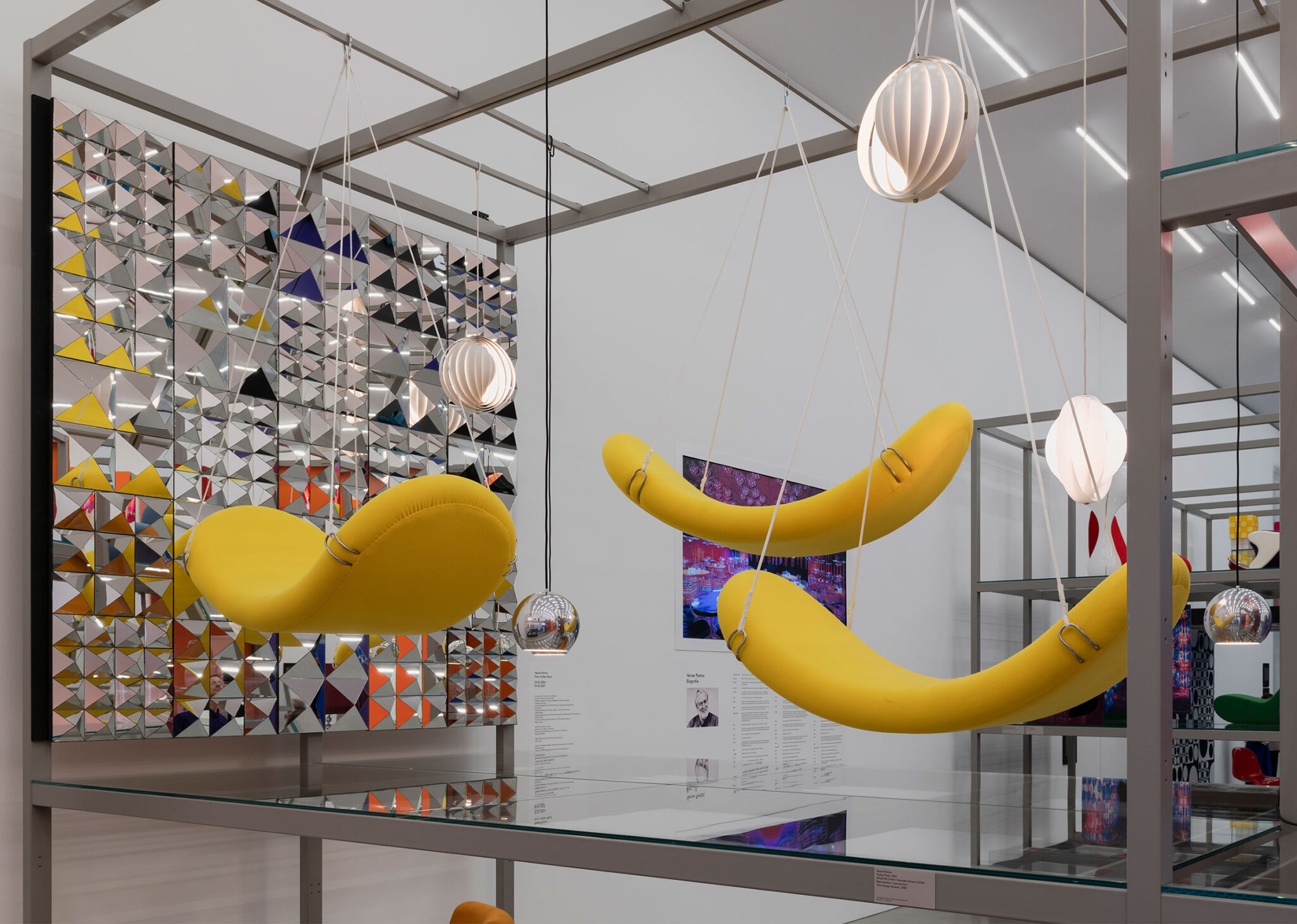
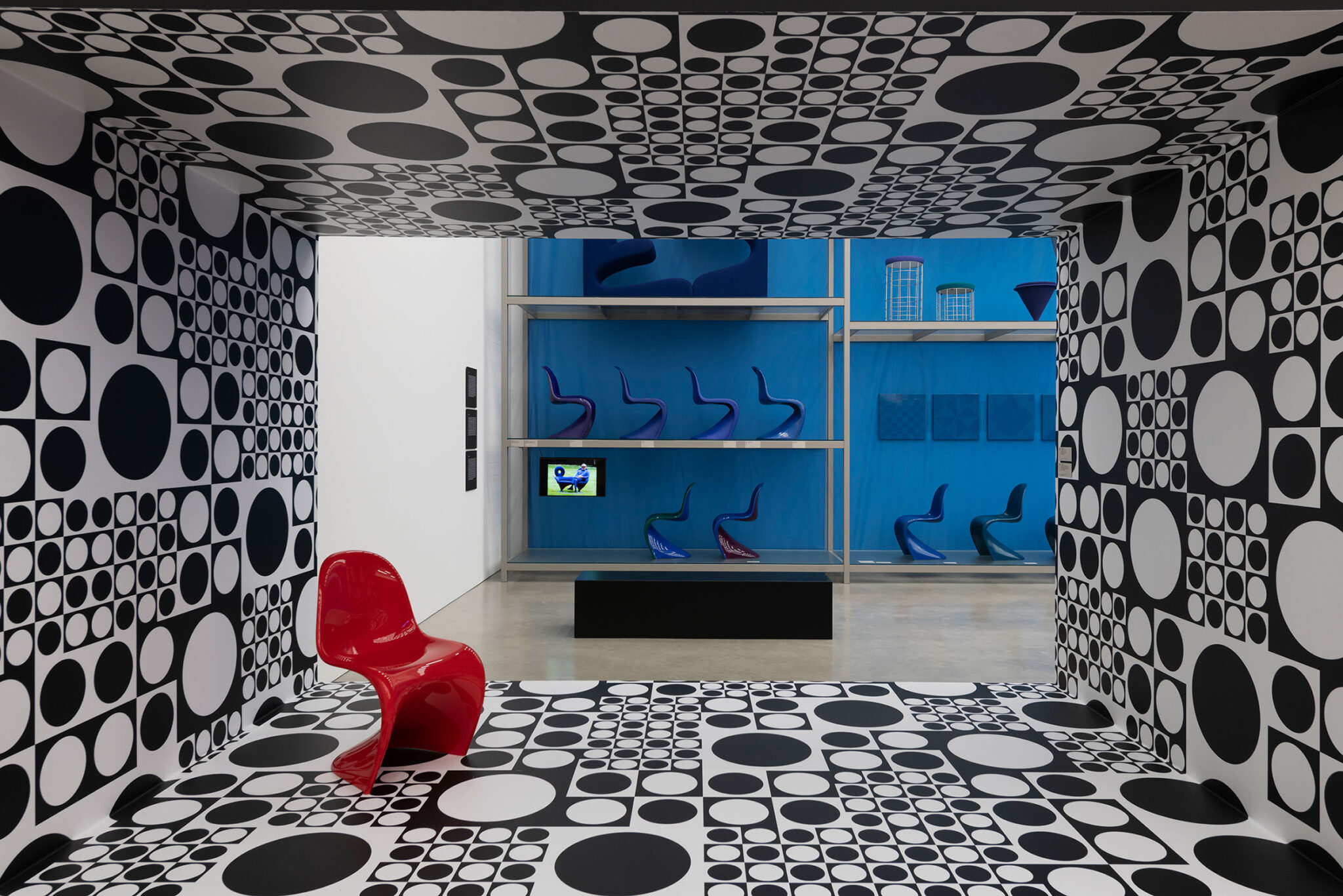
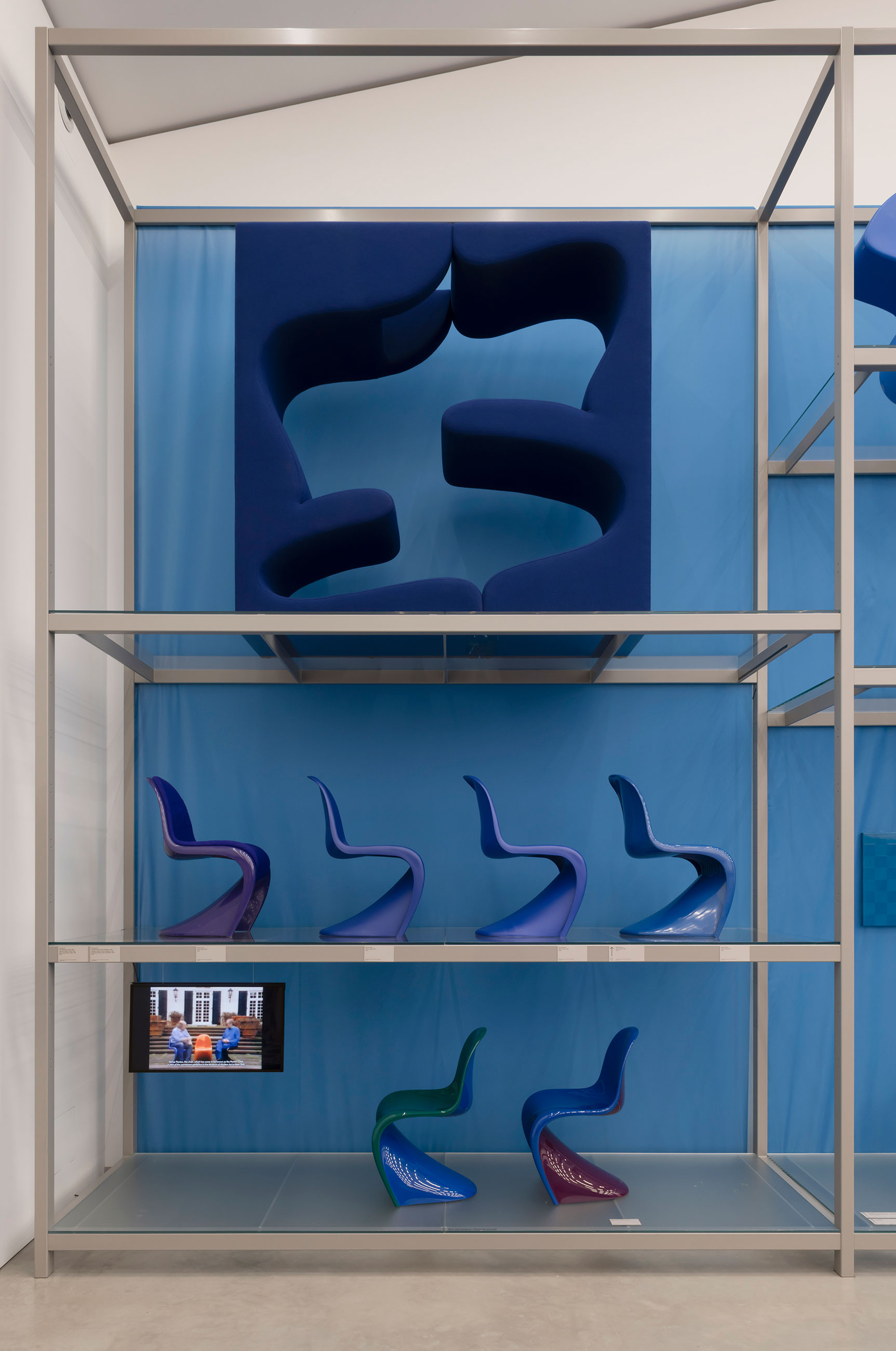
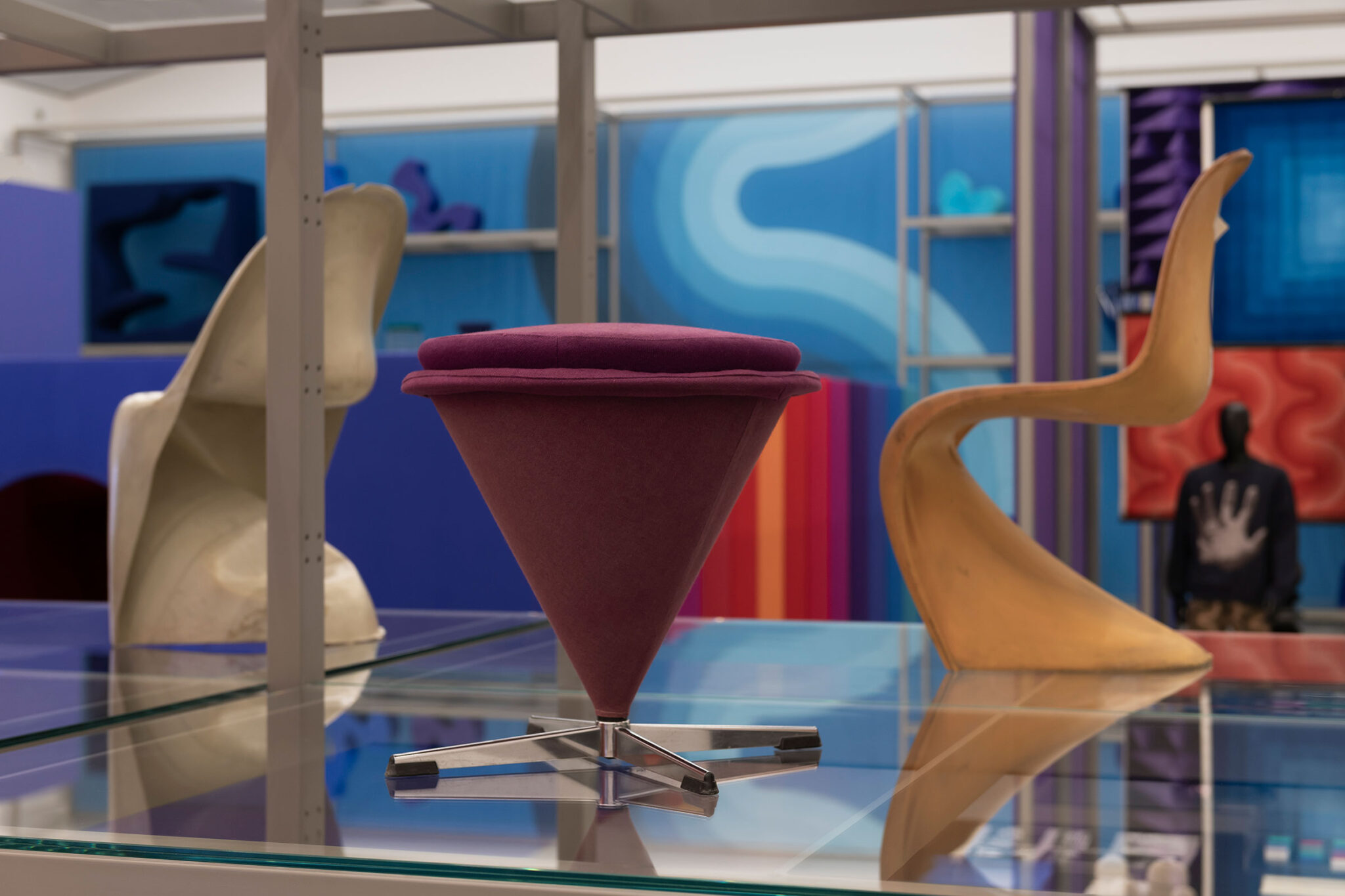
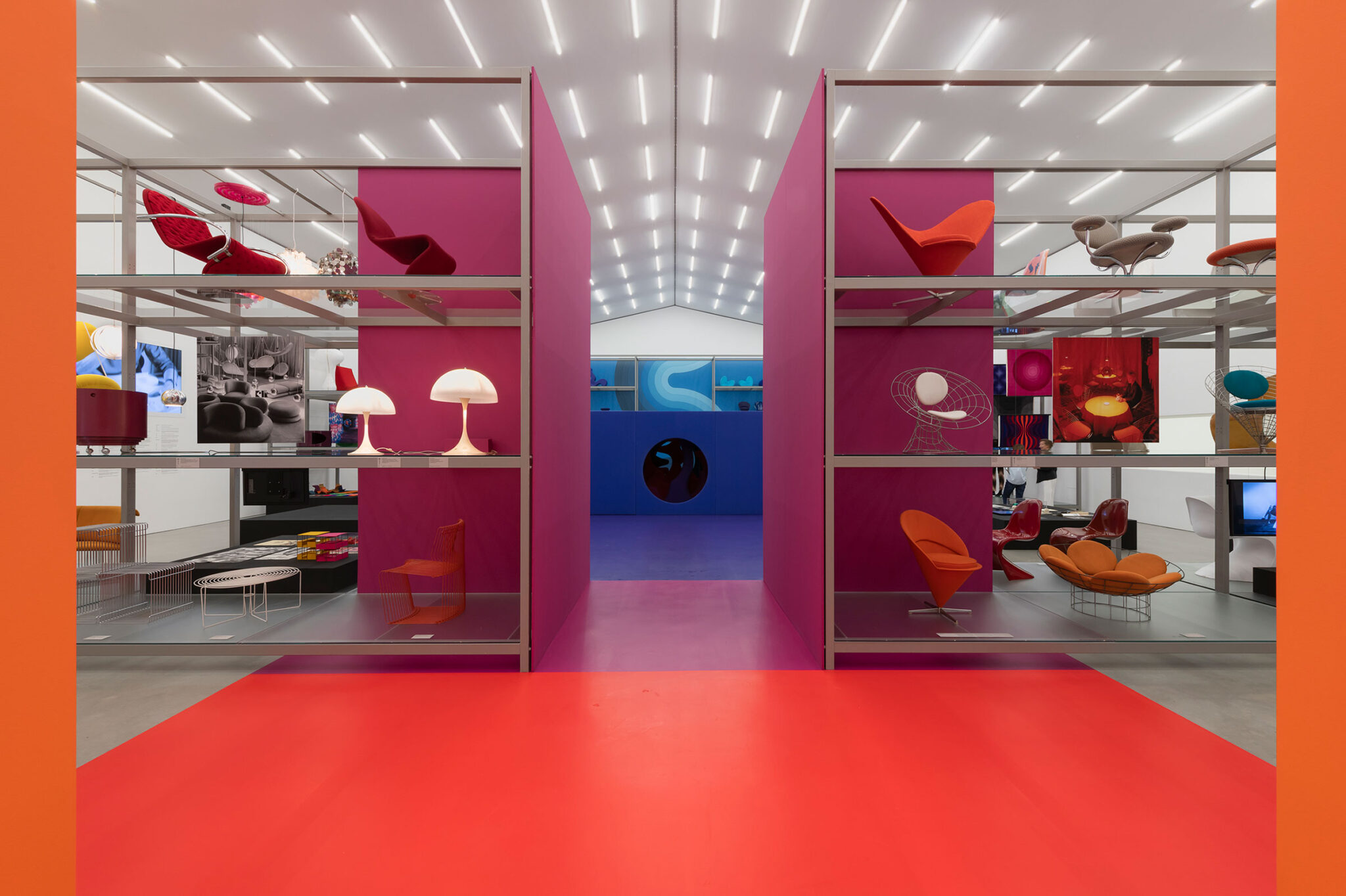
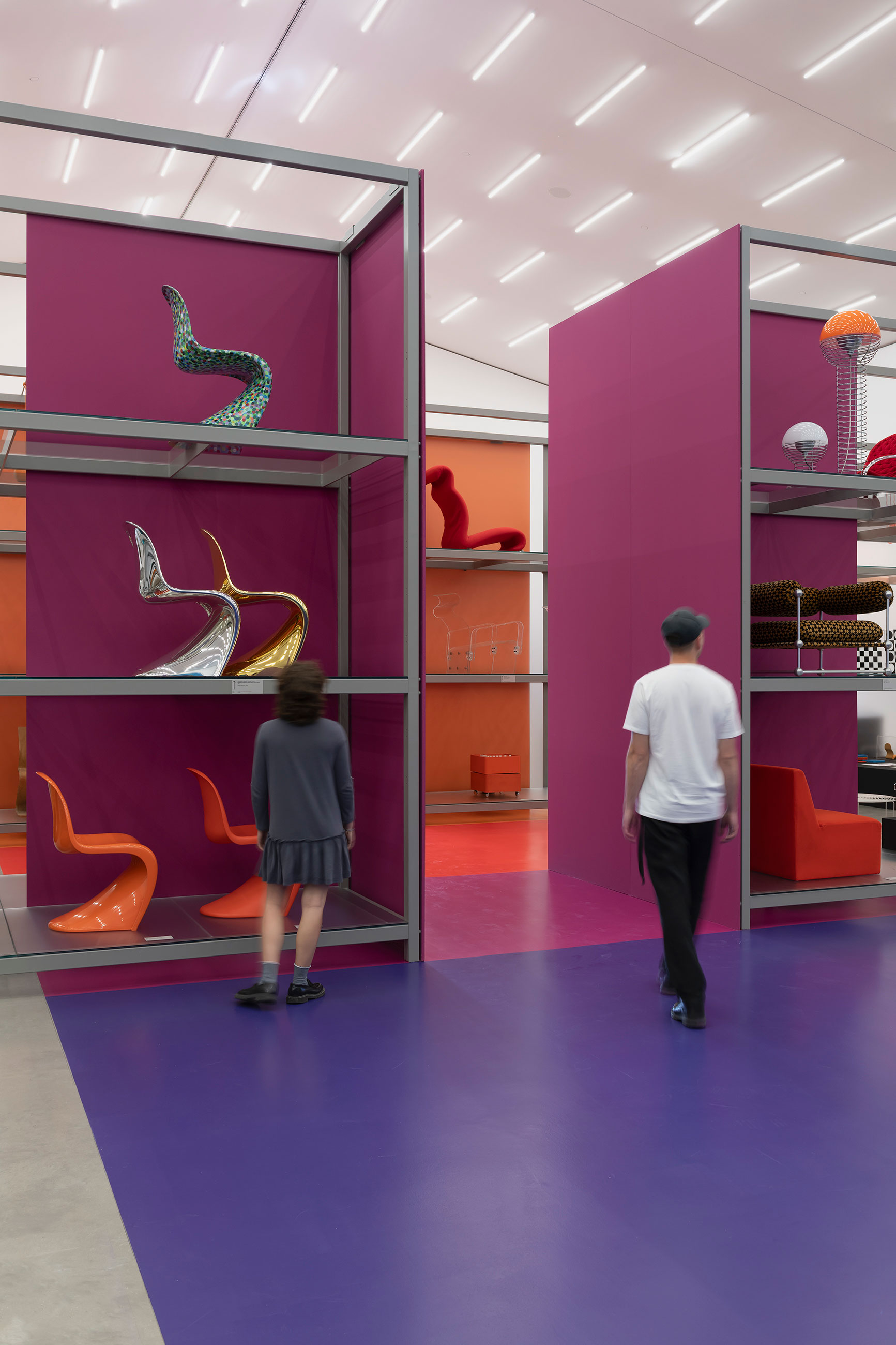
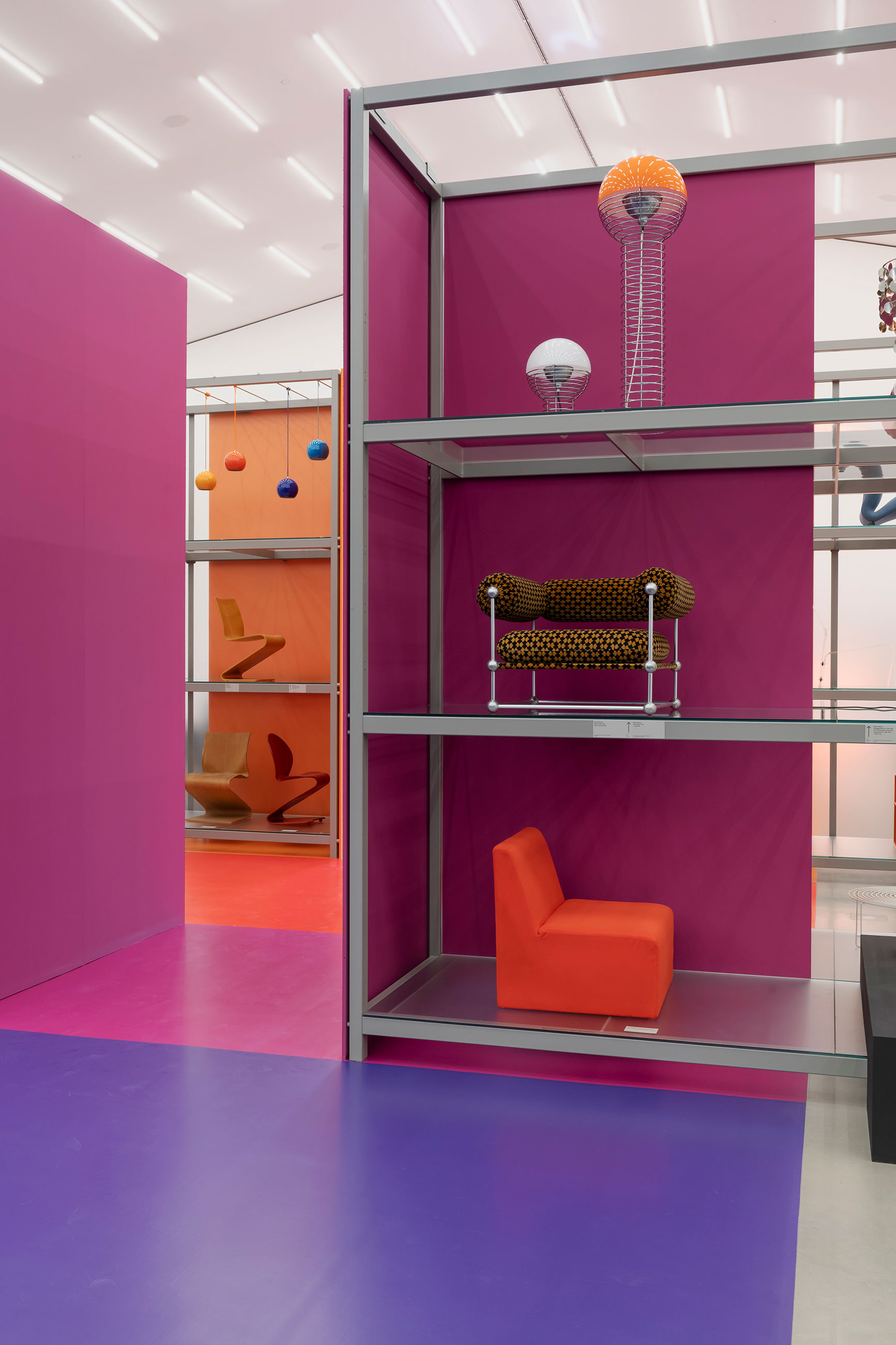
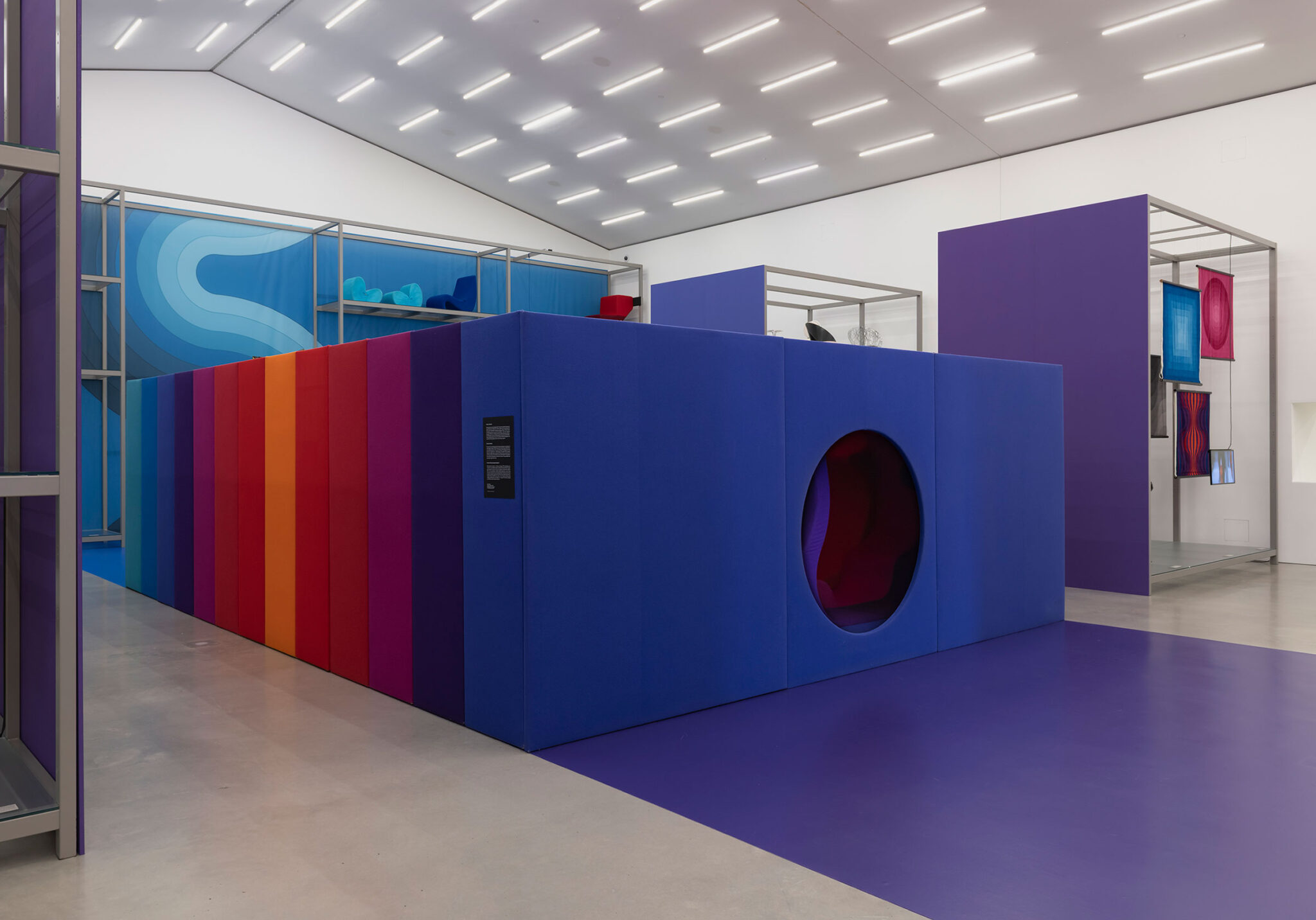
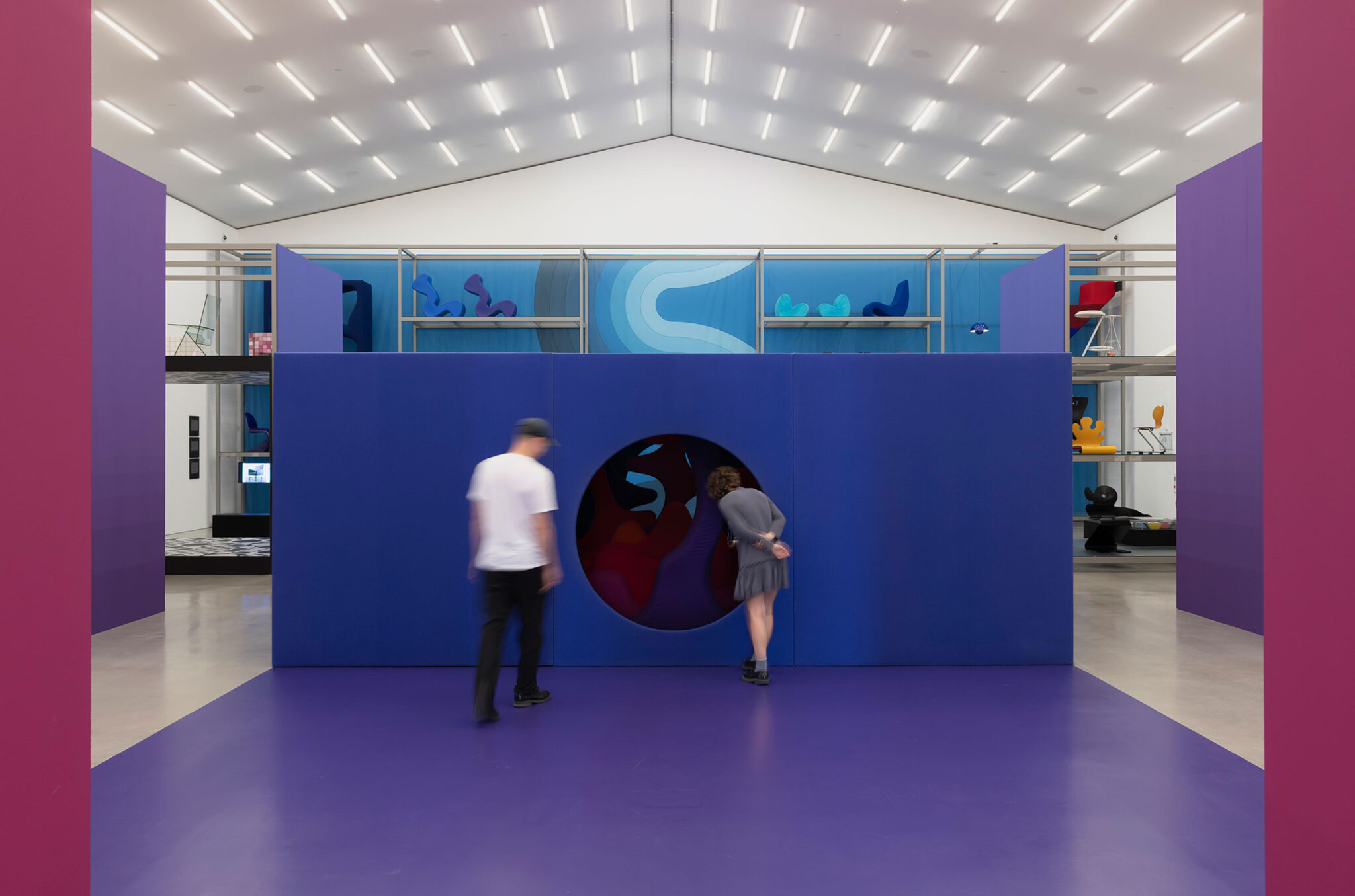
ヴァーナー・パントンの、ドイツの、ヴィトラ・シャウデポでの展覧会「Verner Panton: Form, Colour, Space」の会場写真です。
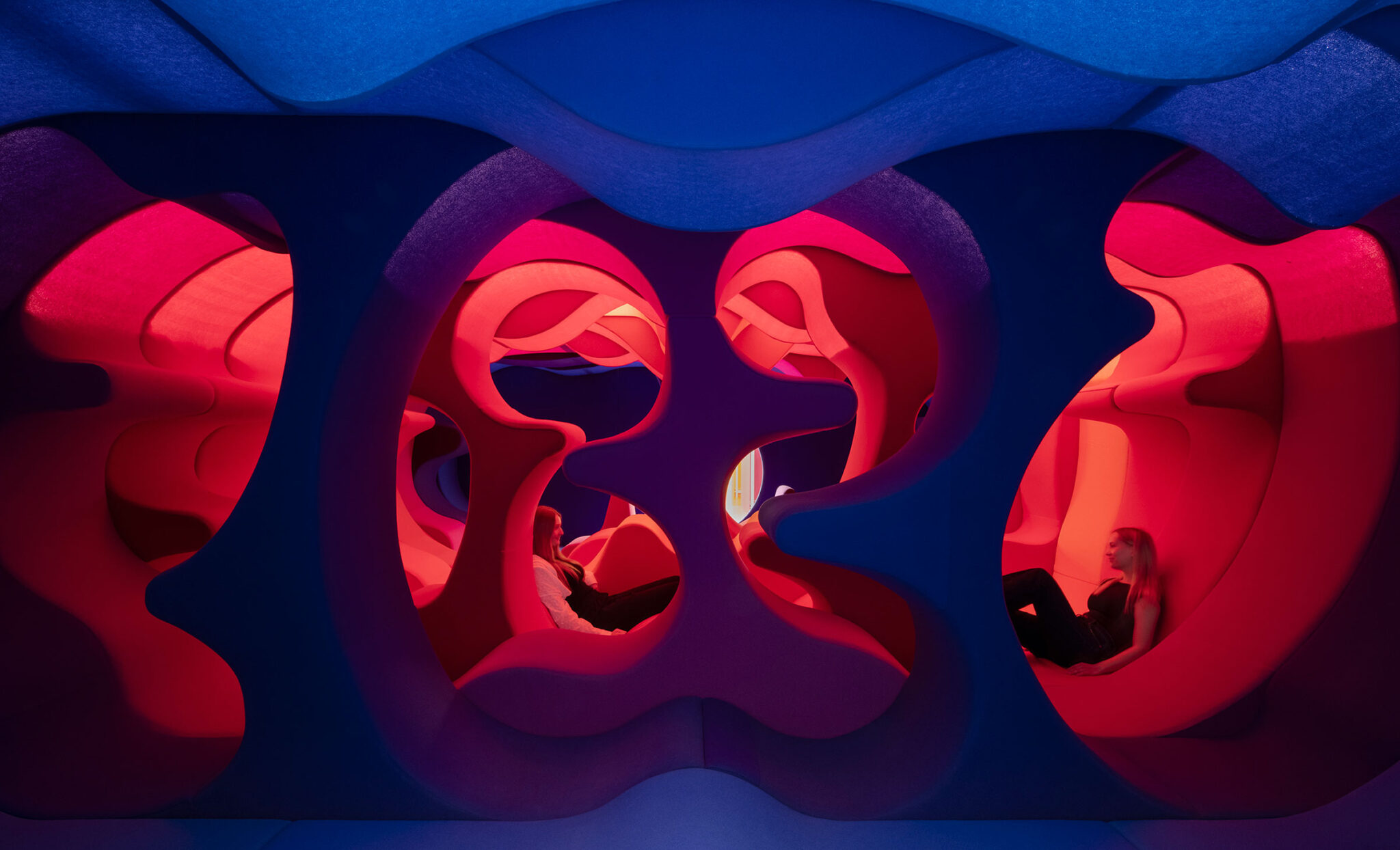
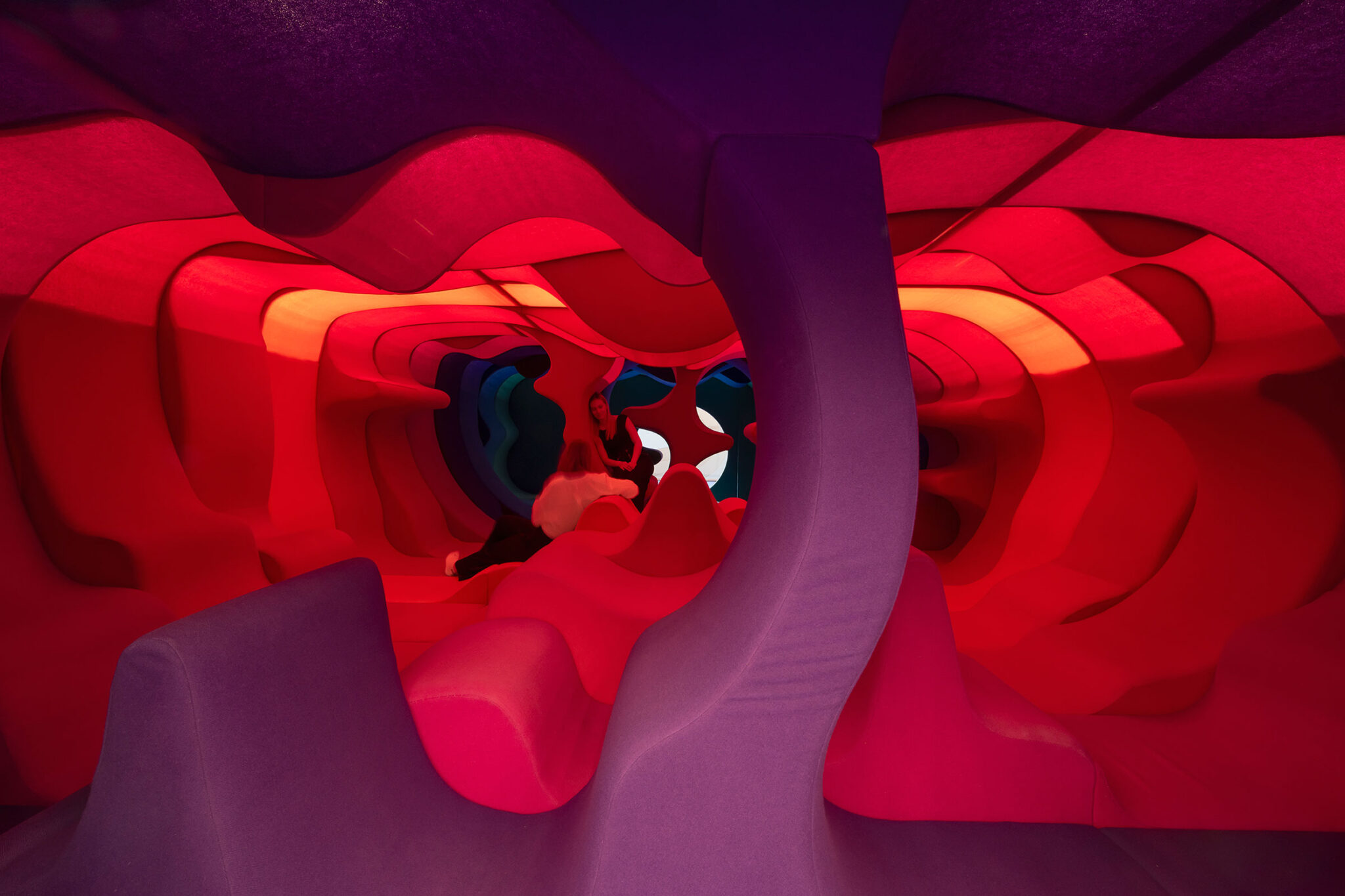
色彩豊かな作品で知られるデザイナーの生誕100周年を記念した回顧展です。本展では、活動の全期間に渡る仕事に光を当て、代表作から未公開のプロジェクトまで紹介しています。また、1970年の“伝説的な”作品を再現した体験型展示も公開されています。
会期は、2027年5月9日まで。展覧会の公式ページはこちら。
こちらはリリーステキストです(翻訳:アーキテクチャーフォト / 原文は末尾に掲載)
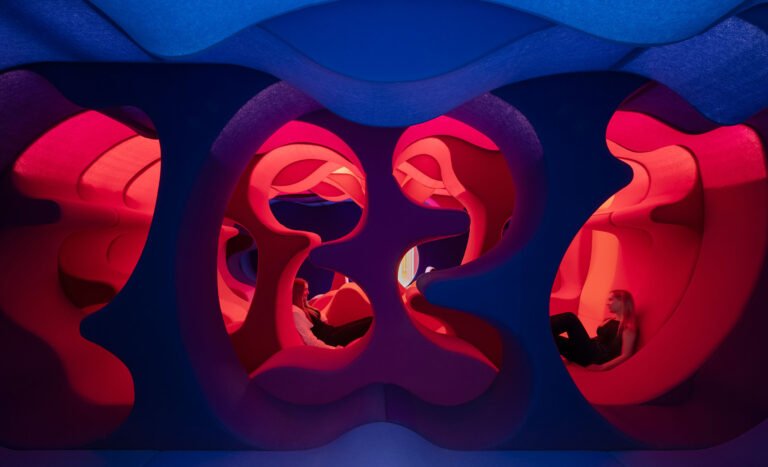
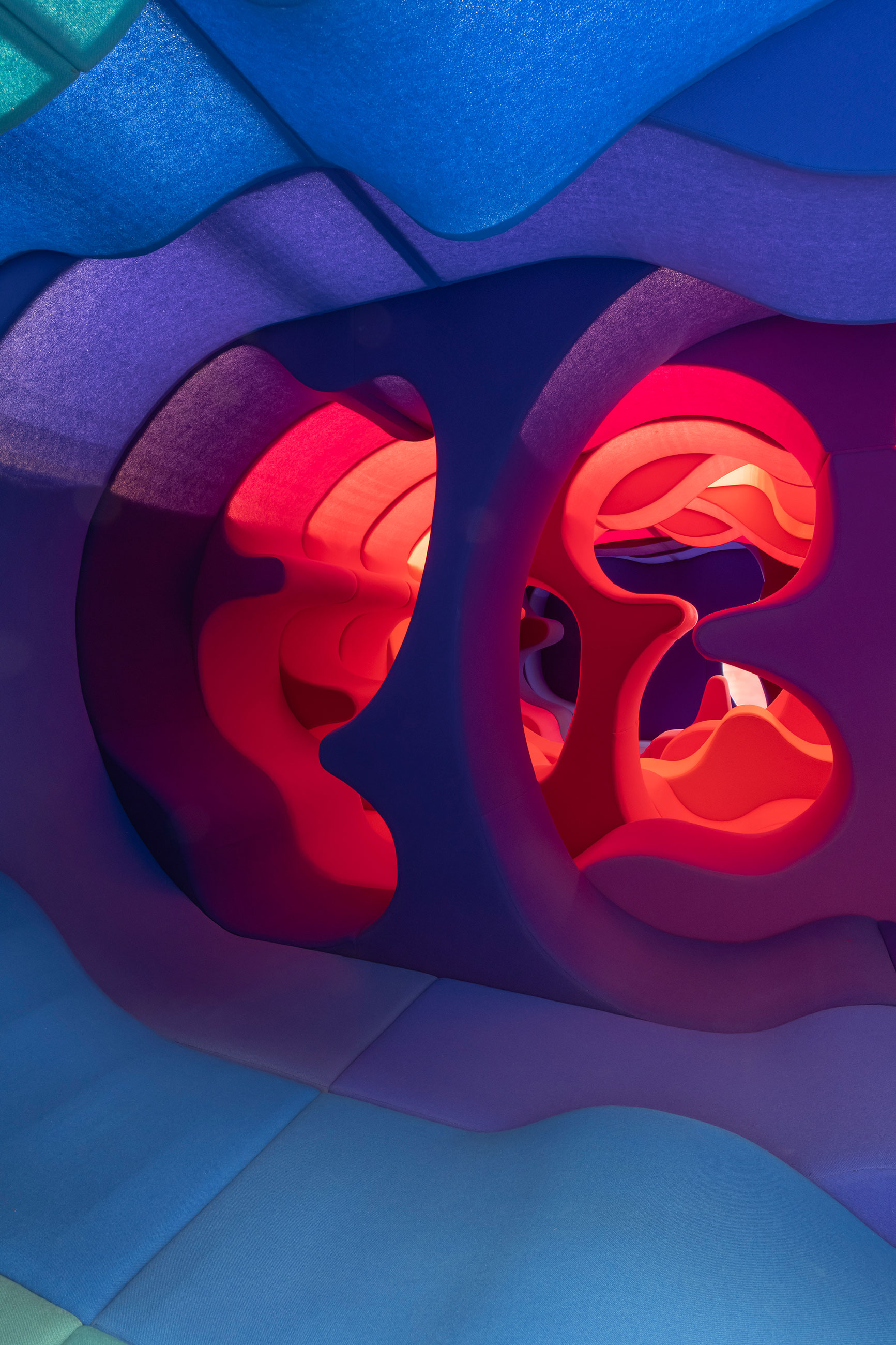
彼は椅子を天井から吊り下げ、室内空間を色彩豊かな遊び場へと変貌させました。20世紀後半のデザインを、ヴァーナー・パントン(1926–1998)ほど決定的に形作ったデザイナーはほとんどいませんでした。このデンマーク人デザイナーの生誕100周年を記念して、ヴィトラ・デザイン・ミュージアムはヴィトラ・シャウデポで、彼の作品に関する包括的な展覧会を開催しています。「ヴァーナー・パントン:フォルム、カラー、スペース」は、パントンのデザイン活動の全期間にわたる仕事に光を当てるもので、パントン・チェア、コーン・チェア、フラワーポット・ランプといった象徴的なデザインから、先駆的な居住空間のランドスケープ、さらにはこれまでほとんど公開されることのなかった家具や建築プロジェクトに至るまでを扱っています。1970年の伝説的なファンタジー・ランドスケープを再現した体験型の復元展示(エディション1/8)は、来場者をパントンの彫刻的で色彩に満ちた世界へと没入するよう誘います。
コペンハーゲンの王立デンマーク美術アカデミーで建築を学び卒業したヴァーナー・パントンは、デンマーク家具デザインの伝説的な伝統の中から登場し、著名な建築家アルネ・ヤコブセンの設計事務所で最初の実務経験を積みました。しかし彼はまもなく、まったく異なる芸術的な方向へと進みました。1950年代後半以降、パントンは色彩、テキスタイル、そして光が中心的な役割を果たす、革新的な空間コンセプトを発展させました。ブランコやリビング・タワーを用いて、彼は住空間を遊び心にあふれた、形式にとらわれない方法で活用しました。一方で、光やパターン、そして入念に用いられた色彩の連なりによって、インテリアの雰囲気や性格を巧みに調整しました。
その代表例がパントン・チェアです。その基本コンセプトは1950年代半ばに生まれましたが、ヴィトラによって量産製品として発売されるまでには1967年までを要しました。単一の合成素材から成形された、後脚のない世界初の椅子として、それは技術的な傑作であり、国際的なメディアで直ちに大きな反響を呼びました。パントンの最も著名なインテリアのひとつである、有機的なフォルムをもつファンタジー・ランドスケープ(1970)は、彼のヴィジョナⅡ展のために制作され、新しい合成素材の可能性を示すよう依頼していた化学企業バイエルとの協働によって実現されました。ヴィジョナⅡにおいて、パントンは住空間を根本的に再定義するゲザムトクンストヴェルク(総合芸術作品)を創り出しました。それはモダンデザインのマイルストーンとなりました。
年代順に構成された本展は、ヴァーナー・パントンがいかに体系的に自身のデザイン理念を追求したかを示しています。1950年代の初期のインテリアはすでに、スカンジナビア・デザインの伝統から脱却した、大胆で色彩豊かな表現でした。パントンとプラス・リンイェ社との協働は、円錐形のコーン・チェアを含む、彼にとって初めて国際的に知られることとなったシーティング・デザインにつながりました。1960年代から1970年代にかけて、パントンは活動領域を広げ、企業や個人住宅のインテリアから、家具システム全体、テキスタイル、照明に至る作品を生み出しました。パントン・チェアのようなプロジェクトは彼に国際的な評価をもたらしました。それに続いて、ヴィジョナ展(1968年、1970年)、ハンブルクのデア・シュピーゲル出版社のインテリアデザイン(1969年)、そしてオーフスのヴァルナ・レストラン(1971年)などの大規模な依頼がありました。これらの主要なプロジェクトはいずれも、パントンが自身のさまざまな活動分野を組み合わせ、それらを独特のクラブのような雰囲気をもつ多感覚的な環境へと融合することを可能にしました。1980年代から1990年代にかけてのパントンの後期作品は、色彩や遊び心のあるデザインへのアプローチといった中核的なテーマに忠実であり続けながら、デザイナーとしての彼が自身の造形言語を絶えず発展させていったことを示しています。
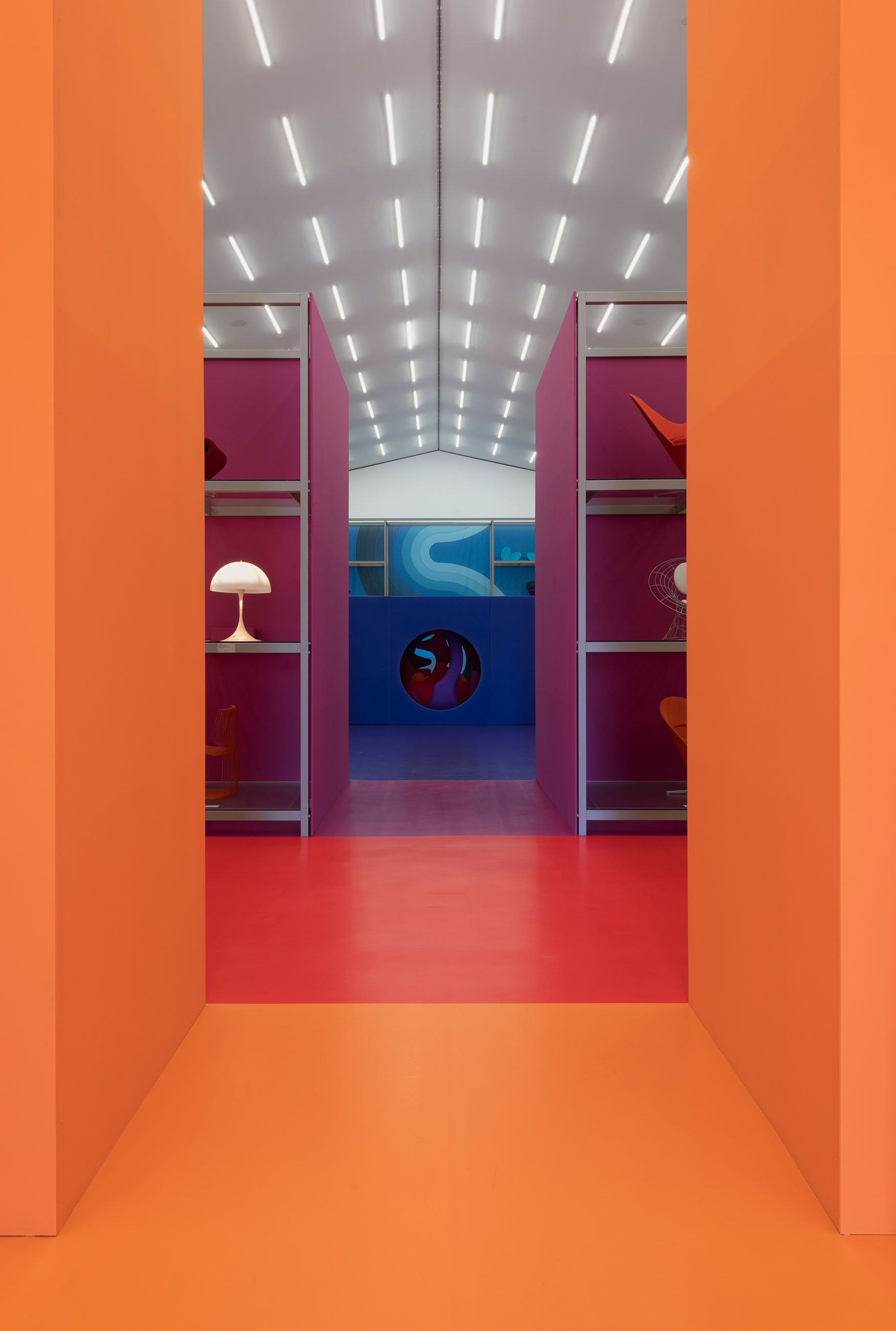
展示作品は、色彩豊かなリボンがシャウデポ全体を貫く展示演出の中に組み込まれており、来場者をパントンに着想を得た、段階的に変化する色彩の連なりの世界へと導きます。すべての展示品は、ヴィトラ・デザイン・ミュージアムのヴァーナー・パントン・アーカイブに由来するもので、同アーカイブには家具、試作品、実験資料、模型に加え、4万点を超える文書が含まれています。そのうち約2万点は図面とドローイングです。この独自の資料群を活用し、本展はあらゆる創作時期の作品を紹介することで、伝説的なデザイナーの作品世界に対する、これまで以上に多面的な見方を提示しています。例えば、パントンの大半が実現に至らなかった建築プロジェクトが初めて詳しく紹介され、彼の多くのプロジェクトの背後にあるデザインプロセスにも光が当てられています。本展は、ヴァーナー・パントンの作品に関するすべての権利を保有するヴァーナー・パントン・デザインAGとの緊密な協力のもとで企画されました。本展は、今日ではその楽観的な未来への信念が遠いものに感じられるかもしれない一方で、その持続的な魅力を少しも失っていないデザイナーに、新たな光を当てています。刊行物が現在制作中であり、2026年後半に刊行される予定です。
以下の写真はクリックで拡大します
以下、リリーステキストです。
He hung chairs from the ceiling and transformed interiors into colourful playgrounds; few designers have shaped design in the second half of the twentieth century as decisively as Verner Panton (1926–1998). To mark the 100th anniversary of the Danish designer’s birth, the Vitra Design Museum is presenting a comprehensive exhibition of his work at the Vitra Schaudepot. »Verner Panton: Form, Colour, Space« illuminates Panton’s work across design periods, from iconic designs such as the Panton Chair, the Cone Chair, and the Flowerpot lamp to visionary living landscapes as well as rarely shown furniture and architectural projects. A walk-in reconstruction (edition 1/8) of the legendary Fantasy Landscape from 1970 invites visitors to immerse themselves in Panton’s sculptural, colour-saturated worlds.
As a graduate in architecture from the Royal Danish Academy of Fine Arts in Copenhagen, Verner Panton emerged from the legendary tradition of Danish furniture design and gained his first professional experience in the office of the renowned architect Arne Jacobsen. But he soon turned in a completely different artistic direction: from the late 1950s onwards, Panton developed radically new spatial concepts in which colour, textiles, and light played a central role. With swings and living towers, he used domestic space in playful and informal ways, while light, patterns and carefully applied colour scales helped him modulate the mood and character of his interiors.
A key example is the Panton Chair, whose basic concept emerged in the mid-1950s but took until 1967 to be launched as a serial product by Vitra. As the first chair without back legs made from a single piece of synthetic material, it was a technical masterpiece and caused an immediate stir in the international media. One of Panton’s most famed interiors, the organically shaped Fantasy Landscape (1970), was created for his Visiona II exhibition and realized in collaboration with the chemical company Bayer, which had commissioned him to demonstrate the possibilities of new synthetic materials. With Visiona II, Panton created a Gesamtkunstwerk that radically redefined domestic space and became a milestone of modern design.
The chronologically structured exhibition shows how systematically Verner Panton pursued his design ideas. Already his early interiors of the 1950s were bold, colourful statements that broke out of Scandinavian design traditions. Panton’s collaboration with the company Plus-linje led to his first internationally known seating designs, including the cone-shaped Cone Chair. During the 1960s and 1970s, the designer broadened his scope, creating works that range from corporate and private interiors to entire furniture systems, textiles, and lighting. Projects such as the Panton Chair brought the designer international recognition, followed by major commissions including the Visiona exhibitions (1968 and 1970), the interior design for the Der Spiegel publishing house in Hamburg (1969), or the Varna restaurant in Aarhus, 1971. Each of these major projects allowed Panton to combine his different fields of work and merge them into multisensory environments with a distinctive, club-like atmosphere. Panton’s later works from the 1980s and 1990s illustrate how the designer continuously developed his formal language while remaining true to his core themes, such as colour and a playful approach to design.
The exhibits are embedded in a scenography in which a colourful ribbon runs through the entire Schaudepot, transporting visitors into a Panton-inspired world of graduated colour scales. All objects come from the Verner Panton Archive at the Vitra Design Museum which includes furniture, prototypes, experiments, models, as well as more than 40,000 documents, among them about 20,000 plans and drawings. Drawing from this unique source, the exhibition presents works from all creative periods, thus offering a more differentiated view of the legendary designer oeuvre than before. For instance, Panton’s mostly unrealised architectural work is shown in detail for the first time, and the design process behind many of his projects is highlighted. The exhibition was developed in close collaboration with the Verner Panton Design AG, holder of all rights in Verner Panton’s work. It casts new light on a designer whose optimistic belief in the future may seem distant today, yet has lost none of its enduring fascination. A publication is in development and will be released in the second half of 2026.
■展覧会概要
Exhibition title: Verner Panton: Form, Colour, Space
Duration: 23 May 2026 – 9 May 2027
Curators: Susanne Graner, Nina Steinmuller